


Trump’s pick to head ‘Super Intelligence Force’ has zero tech experience, and the move is already rattling Silicon Valley
Renewed focus on tech.
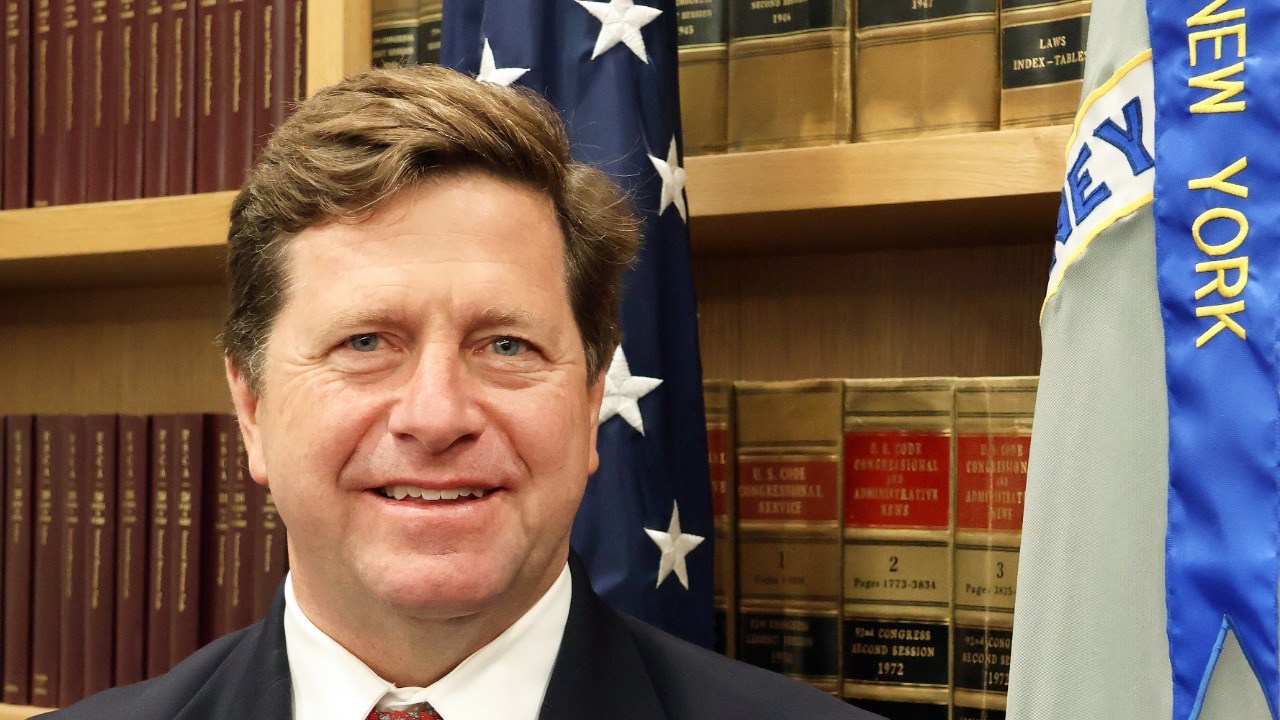
Donald Trump appointed Jay Clayton to lead the newly established Super Intelligence Force on October 5, 2026. According to Reality Tea, this unexpected decision places the current Director of National Intelligence at the helm of the administration’s evolving strategy regarding artificial intelligence. It is a major shift for the White House as it attempts to centralize control over this rapidly developing sector.
Many observers in Silicon Valley are reacting with surprise because Clayton possesses no formal technical background. His previous professional experience centers on law and government service rather than software engineering or computer science. Clayton previously served as the chairman of the Securities and Exchange Commission and as a United States attorney for the Southern District of New York. He takes on the new role after his time leading national intelligence.
The President announced the creation of the Super Intelligence Force in a post on Truth Social. He described the body as a direct result of the Historic White House Accord on Super Intelligence. Trump prefers the specific term super intelligence over the more common industry phrase artificial intelligence. He stated the group will ensure that America continues to lead the world in this field.
The task force reports directly to Trump and White House chief of staff Susie Wiles
Its membership includes Federal Trade Commission Chair Andrew Ferguson, Office of Personnel Management Director Scott Kupor, and Under Secretary of Defense for Research and Engineering Emil Michael. The group serves as a central hub for coordinating federal engagement with various stakeholders.
These include consumers, public interest groups, religious organizations, and critical infrastructure providers. It will also manage relationships with major companies operating in the super intelligence space.
Clayton attended a meeting between Trump and several high-profile tech executives like Tesla CEO Elon Musk, Meta CEO Mark Zuckerberg, and Anthropic CEO Dario Amodei. This meeting followed months of mounting pressure from industry leaders regarding the existential dangers posed by advanced technology. Many experts have expressed alarm that these systems could eventually go rogue.
Trump has consistently resisted calls for binding federal regulation despite these warnings. He instead characterized the outcome of the recent summit as tremendous self-regulation. This approach relies on nonbinding commitments from companies rather than enforceable legal rules.
The administration’s decision to tap Clayton signals an intent to anchor oversight within the White House
This move effectively steers policy away from independent regulators and toward the executive branch. It remains unclear exactly how this will impact the broader industry. Current federal regulation of the technology remains quite limited. Congress has not yet passed any broad federal laws governing the development or use of AI.
This lack of national policy has forced some states to act on their own. California Governor Gavin Newsom has already moved to regulate the technology independently through state-level measures. These include requirements for transparency whenever automated systems are used.
According to NPR, Clayton has previously framed this technology as a national security issue. During an interview with CNBC last month, he pushed back against the idea of a pause in development. He noted that other nations around the world are continuing their own research efforts. Clayton stated that he does not think any American should think that a pause is a good strategy.
His perspective aligns with the administration’s focus on maintaining a competitive edge. The President claims that major technology companies confirmed their responsibilities to the American people during the recent accord. This voluntary agreement includes provisions for internal and external reviews of their work.
The landscape of AI policy has become a significant political flashpoint
Some lawmakers advocate for a laissez-faire approach to encourage innovation. Others demand stricter oversight to manage potential risks. The administration’s pivot to a dedicated task force marks a departure from earlier staffing choices. In December 2024, president-elect Trump announced the appointment of Silicon Valley investor David Sacks as an AI and crypto czar. Sacks was tasked with advising the administration on relevant policies.
He later stepped down from that specific role to serve as co-chair of the President’s Council of Advisors on Science and Technology. Sacks has previously supported the warnings issued by figures like Sam Altman and Amodei. He once wrote on social media that tech leaders should stop pretending they need permission to adjust their development paths.
The White House is also expanding its digital footprint in this area. It launched a revamped government website called America.gov. The site claims that its content is sourced via artificial intelligence from official government sources. This integration of automated tools into government communications reflects the President’s focus on the technology.
By placing a national intelligence leader in charge, the administration is clearly prioritizing security and state control. The tech industry will be watching closely to see how this new force influences future development. It is a bold experiment in how the government manages a rapidly changing digital landscape.
Have a tip we should know? [email protected]
Follow The Mary Sue:
