


FIFA Faces Mounting Pressure to Overhaul Safety Protocols as Extreme Heat Puts Players and Fans at Risk
The heat is on.
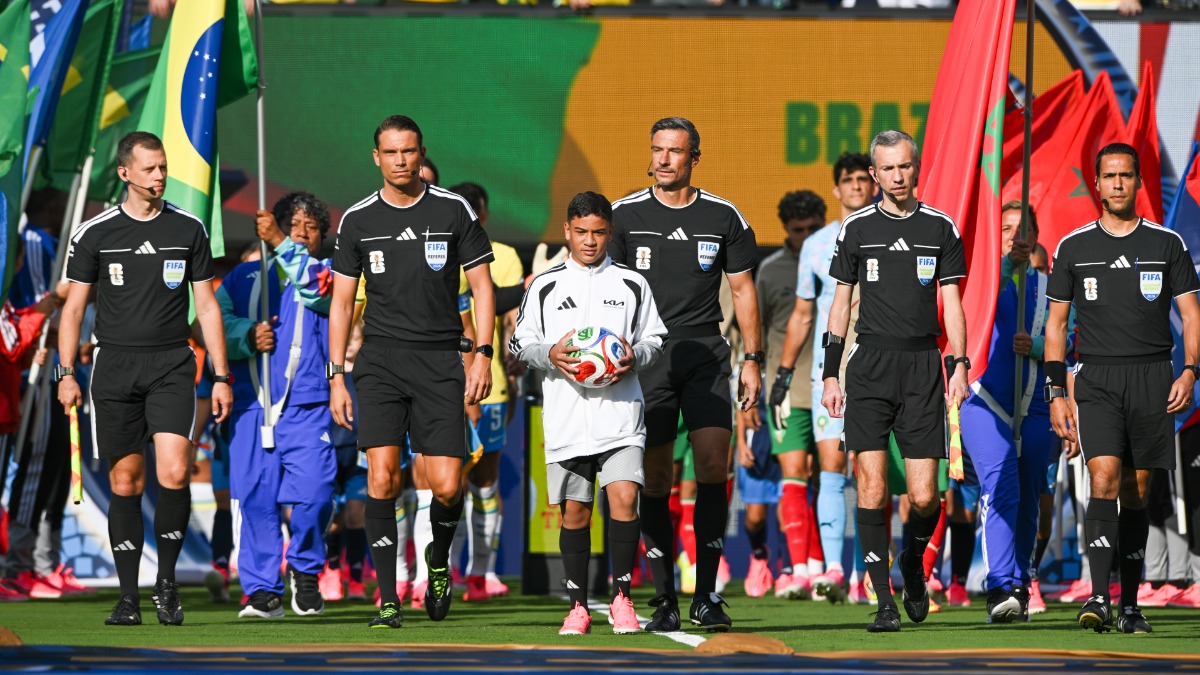
FIFA is under growing pressure to revamp its safety protocols as a brutal heat wave smothers the 2026 World Cup’s knockout rounds, putting players and fans in real danger. Triple-digit temperatures are scorching the eastern United States just as the tournament hits its most critical matches, with Philadelphia, Kansas City, and Miami all facing extreme heat warnings.
The National Weather Service had issued advisories for the July 4 match in Philadelphia. On the day, Paraguay and France faced off at 5 p.m. ET and Les Bleus walked away winners. However, temperatures approached 100°F at kick-off and the heat index climbed as high as 105°F to 110°F during the match, per TOI.
Climate scientists warn that record-breaking heat waves like this are becoming more common. An NPR analysis found that over a third of this year’s World Cup matches are at high risk for dangerous heat and humidity. Philadelphia, in particular, was flagged as one of the highest-risk host cities.
The July 4 match was expected to see especially hazardous conditions and it did
It ranked among the hottest World Cup matches ever. FIFA had made some adjustments, like adding an extra water break per half and installing air conditioning on the sidelines for players and referees. Fans were also allowed to bring one factory-sealed water bottle into stadiums. But critics argued that these measures weren’t enough.
In general, the CDC recommends drinking plenty of water and staying out of the sun in such weather. But for older adults and people with medical conditions like heart disease, even those precautions might not be enough.
Daniel Vecellio, climate scientist, University of Nebraska at Omaha, warns that these groups should think twice about attending outdoor matches in the hottest locations. The good news is that the July 4 fixture marked the last match that would be played at Lincoln Financial Field stadium in Philadelphia.
The risks aren’t just limited to the stadiums though
Even the walk to the game can be dangerous, especially in cities like Dallas, where pavement temperatures could hit 122°F. According to Al Jazeera, Jennifer Dunn, a meteorologist with NWS, said concrete absorbs and reflects heat, making outdoor surfaces hotter than the air temperature. That means fans walking from parking lots, train stations, or fan zones could be exposed to even more extreme conditions before they even reach their seats.
And once they’re inside, not all stadiums are created equal. While venues in Atlanta, Dallas, and Houston have retractable roofs and air conditioning, those in Toronto, Philadelphia, and Kansas City leave tens of thousands of fans exposed to the sun with little more than whatever shade or misting stations organizers provide.
The heat isn’t just a problem for spectators. Players are feeling the strain too. When the body overheats during intense exercise, it can lead to dehydration, dizziness, cramping, headaches, and extreme fatigue. In the worst cases, it can cause exertional heat stroke, which is a medical emergency and one of the leading causes of death among athletes.
The impact on the field is obvious – players are sprinting less, covering less ground, and conserving energy, which slows down the pace and intensity of matches. FIFA has tried to mitigate these risks by introducing mandatory three-minute hydration breaks in each half, but the move has been controversial.
Many fans, coaches, and players argue that the breaks disrupt the flow of the game, and some even claim they’re just a way for FIFA to squeeze in more commercials. FIFA President Gianni Infantino has pushed back, insisting that the breaks are purely for player safety and that the organization gains “absolutely nothing” from them.
FIFA has made other adjustments to help players cope with the heat
Teams are allowed up to five substitutions, three rest days between matches, and staff and substitutes at outdoor stadiums have access to climate-controlled benches. The organization also claims that the tournament schedule was designed with the heat in mind, limiting outdoor matches during the hottest parts of the day and adjusting kickoff times in certain markets.
But after last year’s Club World Cup in the U.S., the global players’ union FIFPRO warned that extreme heat should be a “wake-up call” for football. If this week’s conditions are any indication, that wake-up call is long overdue. For fans who still plan to attend matches, health experts have some key suggestions.
Drink water before you feel thirsty, take breaks in the shade or air conditioning whenever possible, and limit alcohol intake. Avoid long periods in direct sunlight, and keep an eye out for warning signs of heat illness, like dizziness, confusion, severe fatigue, or a lack of sweating.
Medical teams are at FIFA Fan Festival sites and around stadiums to respond to heat-related emergencies, and some host cities have expanded access to shade, cooling areas, and free water. But with temperatures this extreme, even the best precautions might not be enough.
Is FIFA doing enough?
The bigger question is whether FIFA is doing enough to address the root of the problem. Climate change is making heat waves like this more frequent and more intense, and the organization’s current safety protocols feel reactive rather than proactive. Adding a few extra water breaks and air-conditioned benches is a start, but it’s not a long-term solution.
If FIFA wants to keep players and fans safe, it needs to overhaul its approach to extreme heat, from scheduling matches in cooler time slots to investing in better infrastructure for shade and cooling at outdoor stadiums. Until then, the World Cup will continue to be a high-stakes gamble for all stakeholders.
(Featured image: YantsImages)
Have a tip we should know? [email protected]
Follow The Mary Sue:
