


Want to Protect Your Identity From AI? Cate Blanchett Just Launched a Tool That Might Help
Cate Blanchett Is Helping People Protect Themselves From AI With This Free Tool
With artificial intelligence training on everything it can scrape online, the need to protect oneself is more significant than ever. Some celebrities, including Matthew McConaughey and Taylor Swift, have even resorted to trademarking their images and voices as legal protection against AI using their likenesses.
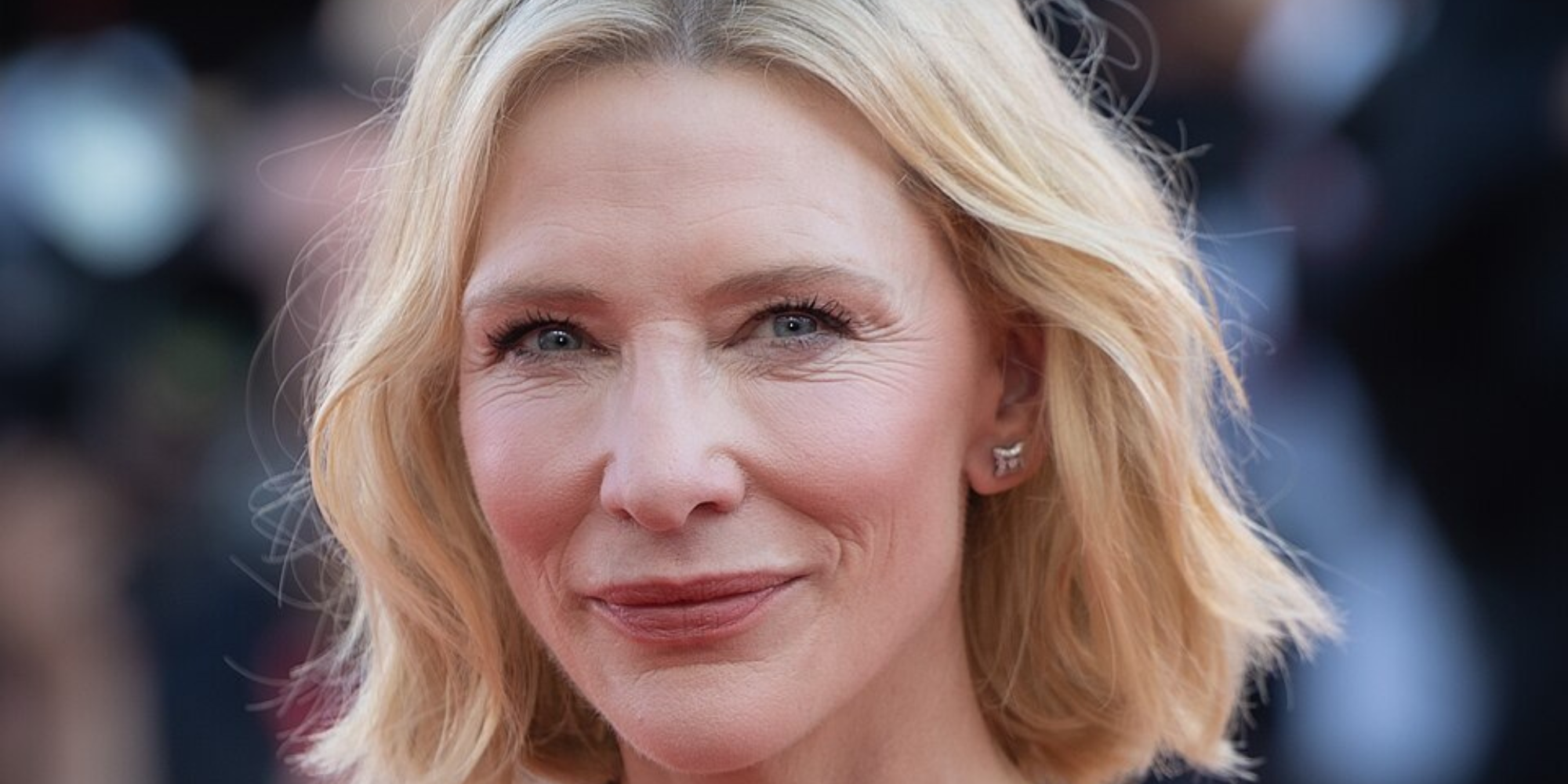
For everybody else, few services exist to protect one’s identity, and those that do can cost thousands of dollars. Enter Cate Blanchett, actor and producer, to the rescue with the launch of her free-to-use Human Consent Registry.
Blanchett presented her new registry to the European Parliament in late June 2026 as a tool to enable anyone, famous or otherwise, to help protect their identity from AI use. Although she explained in an interview with Variety, “I know next to nothing about technology,” she also decided to try and find a solution because as she said, “[…] I know a problem or a challenge when I see one.”
Current Protections Around AI Usage of People’s Likenesses Are Limited
While celebrities are more likely to have their images or voices used by AI, no one is exempt from having their likeness show up in a deepfake or AI-generated image. With the rise in the number of people using this technology, the lines between reality and non-reality have become increasingly blurred for everyone.
Anyone can come across a picture of a non-famous person and use it to generate videos or photos for whatever purpose they want, putting everyday people at risk. And, unfortunately, because generative AI is still so new, there aren’t many laws on the books to regulate its use.
In 2024, the European Union passed the Artificial Intelligence Act, which established a common legal and regulatory framework for AI. In the U.S., Congress passed the Take It Down Act in 2025 to address the publication of intimate images without consent, including deepfakes. However, outside of this federal law, laws regarding AI depend on individual states (and the Trump administration has attempted to make it more difficult for states to regulate AI).
How to Use Cate Blanchett’s Human Consent Registry
Blanchett’s Human Consent Registry was built with the belief that an individual’s identity belongs to them and is their intellectual property. Thus, everyone should have the ability to dictate how it is used without needing to take costly measures.
We tested the registry and found it incredibly simple to use (and it takes less than 10 minutes to complete). All one needs to create an identity record is a name, profession, and at least one public link that can verify their identity (for example, a LinkedIn profile). From there, individuals choose whether AI is permitted, completely prohibited from, or permitted with terms to use their image. All of that information produces code that AI can read, which informs it whether it can scrape a likeness or not.
How successful the registry will be remains to be seen, but the hope is that it can help provide a standard upon which other AI regulatory efforts can be modeled.
(feature image: Wikimedia Commons/Harald Krichel)
Have a tip we should know? [email protected]
Follow The Mary Sue:
