


Energy giants face a multi-billion dollar threat as the Supreme Court weighs whether state courts can hold them liable for climate change
Holding ExxonMobil and Suncor Energy accountable.
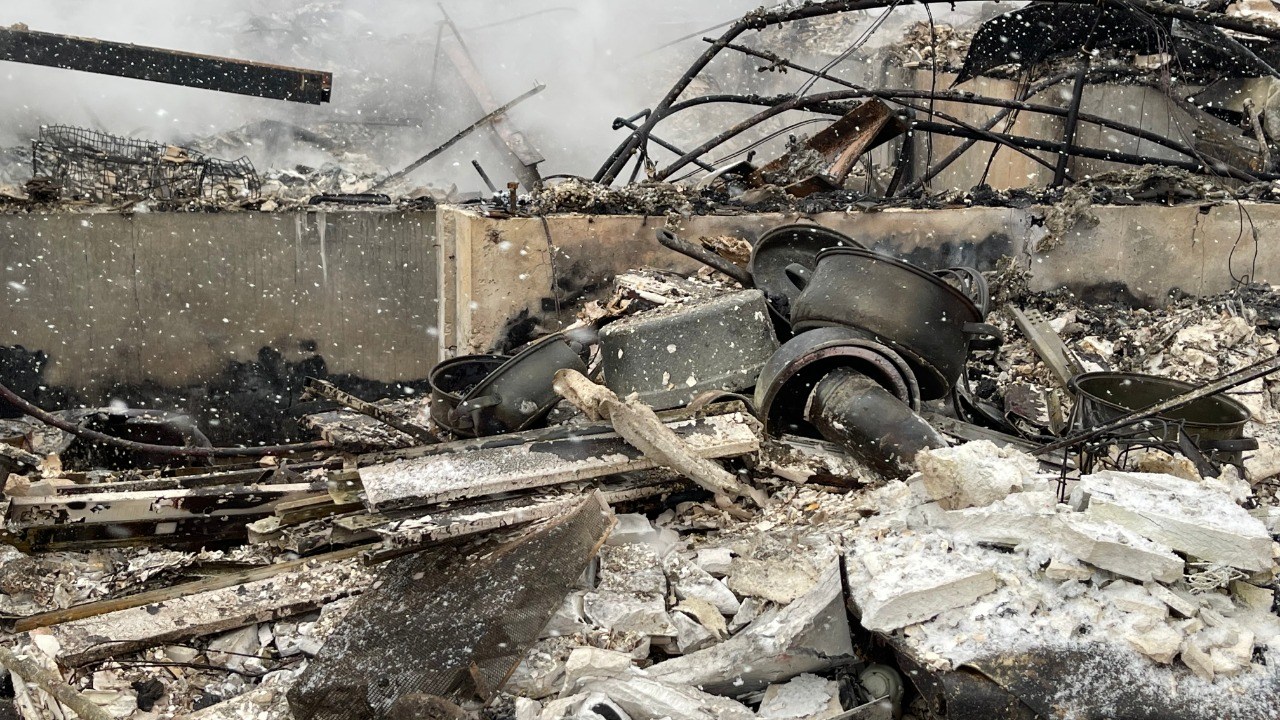
The Supreme Court returned from its summer break on Monday, October 5, 2026, to tackle a high-stakes legal battle that could change how energy companies handle climate change litigation. The justices are currently weighing whether state courts have the authority to hold major oil companies liable for damages related to environmental impacts.
According to NBC News, this specific case centers on a lawsuit brought by the city and county of Boulder, Colorado, against ExxonMobil and Suncor Energy. It’s a massive development, as the outcome could set a precedent for over two dozen similar lawsuits currently moving through the legal system across the country. The stakes here are incredibly high for the energy sector.
ExxonMobil and Suncor Energy have explicitly warned that if cases like Boulder’s are allowed to proceed to trial, the industry could face crippling financial damages reaching into the billions of dollars. The companies argue that climate change is inherently a national and international issue, meaning it shouldn’t be subject to litigation in state courts. They believe that allowing these claims to move forward would essentially let local jurisdictions dictate energy policy for the entire world.
Boulder officials see things very differently
They contend that they aren’t trying to regulate greenhouse gas emissions directly. Instead, they are seeking to recover the immense costs associated with repairs, emergency services, and property damage caused by climate-related events like extreme heat, drought, and wildfires. According to NPR, for residents like Daryl McCool, who lost her historic home in the 2021 Marshall Fire, these aren’t just abstract legal arguments.
McCool described the devastation of the fire, noting that even coins and bicycles were melted in the intense heat. She has spent years helping neighbors navigate the difficult process of rebuilding, and sees this litigation as a way to hold corporations accountable for the real-world costs of their products.
The atmosphere in the courtroom on Monday was tense, with the justices asking tough questions of both sides. Chief Justice John Roberts expressed skepticism about the broader implications of the case.
He questioned what might happen if the court allows the Boulder case to continue, wondering if every municipality in every state would immediately file similar lawsuits. While he acknowledged that litigation against out-of-state companies over harmful products is typically common, he seemed to view the Boulder lawsuit as an attempt to reduce emissions through the court system.
Other justices appeared conflicted
They highlighted the complexity of the legal issues at play. Justice Elena Kagan pointed to past waves of litigation against tobacco companies and opioid manufacturers, which were allowed to proceed in courts. She also explored whether the federal Clean Air Act might pre-empt the claims made by Boulder.
If the court decides that federal law already governs these issues, it could offer a simpler path to a ruling in favor of the oil companies. However, Justice Sonia Sotomayor pushed back on that idea, noting that the Clean Air Act doesn’t specifically regulate the marketing or advertising of fuel products.
Justice Brett Kavanaugh appeared to be the most vocal supporter of the energy companies. He cited previous court precedents that he believes make it clear that air and water pollution are matters of federal law, not state regulation. He suggested that the court doesn’t need to reinvent the wheel, as these principles have been established multiple times in the past.
A major element of uncertainty is the absence of Justice Samuel Alito, who announced his recusal just one week before the arguments. While he provided no official explanation, the decision followed months of pressure from liberal groups who pointed to his stock holdings in energy companies.
With only eight justices participating, there is a real possibility of a 4-4 split
If this happens, the ruling from the Colorado Supreme Court, which allowed the lawsuit to proceed, would remain in place. This would be a significant tactical win for Boulder and other communities seeking similar relief. The political backdrop of this case is equally complicated. The current administration has filed a brief supporting Exxon and Suncor, consistently arguing that climate change is a global issue that shouldn’t be handled by state courts.
Some legal experts, like Professor Sai Prakash, worry that allowing Boulder’s suit to proceed would mean Colorado could effectively regulate production across the entire United States. Prakash, a law professor at the University of Virginia, filed a friend of the court brief backing Suncor and Exxon. Meanwhile, advocates like Corey Riday-White from the Center for Climate Integrity argue that there is no solid legal doctrine to support the oil companies’ desire to block these cases entirely.
As it stands, there is a clear lack of consensus on the bench. The court might even choose to dismiss the case entirely due to jurisdictional questions, as it is still in the early stages of the Colorado court system. Whether the justices decide to take a narrow path regarding the Clean Air Act or a broader approach regarding the Constitution, the decision will likely influence many other types of litigation, including cases involving forever chemicals and data center impacts.
Have a tip we should know? [email protected]
Follow The Mary Sue:
