


Texas McDonald’s worker says she found mold under the drink station. Then ‘raw sewage’ in the walk-in made her quit
She loved her regular customers, but the conditions she described eventually made her walk away from the job.
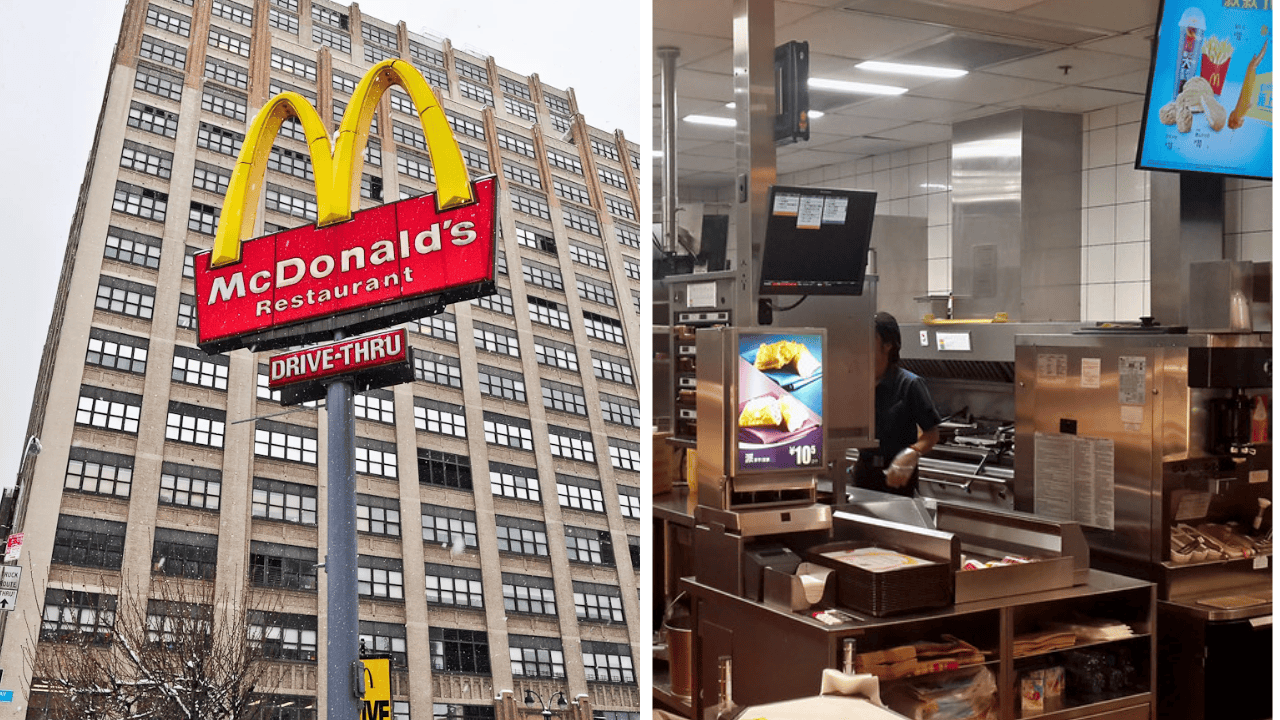
A Texas McDonald’s worker says a foul smell coming from beneath the restaurant’s drink station prompted her to clean an area that employees had apparently neglected. Underneath, she allegedly found mold-covered straw wrappers, old trash, and a slimy substance. Even that wasn’t enough to make her quit.
In a Facebook post, former employee Ashley Cardoza described finding what she believed was black mold beneath the beverage equipment. She said trash regularly accumulated there, and the conditions had put her off drinking anything from the restaurant.
Cardoza later updated her post with another allegation involving raw sewage in areas where employees handled food and drinks. She says that problem, along with her frustrations with management, finally pushed her to leave a job she otherwise loved.
She says the mess under the drink station wasn’t the worst of it
Cardoza claimed sewage had reached several areas beyond the restroom, including the walk-in refrigerator, where employees store food, the dishwashing area, the tea preparation station, and the first drive-thru window.
Sewage can create problems beyond the area where a backup occurs. According to the Food and Drug Administration, it can contaminate food, utensils, equipment, and surfaces used during preparation. That risk is very relevant to the food storage, dishwashing, and preparation areas Cardoza mentioned.
Texas has specific rules for restaurants dealing with sewage backups. Under the state’s food establishment regulations, businesses generally must stop affected operations and notify health officials when a backup creates an imminent health hazard. Restaurants also need approval before restarting operations they halted because of the hazard.
As for the suspected black mold, its color alone doesn’t establish what Cardoza found. The Centers for Disease Control and Prevention explains that mold comes in different colors, and its appearance doesn’t necessarily indicate how dangerous it is.
Cardoza hasn’t said how long the alleged sewage problem lasted or whether the restaurant contacted health officials. It’s also unclear whether inspectors documented any of the conditions she described.
Cardoza says she loved the job, but the conditions became too much
Cardoza says she enjoyed working at McDonald’s, especially seeing her regular customers. However, she claims managers frequently expected her to finish cleaning duties that other employees had neglected, while some stood around instead of helping.
“I cared. I loved my job at McDonalds don’t get me wrong and I loved my regulars,” she wrote.
She also described getting in trouble for leaving her assigned station to help customers waiting at the front counter. Cardoza said she eventually stopped stepping in, even when she could see people waiting without anyone acknowledging them.
Research has linked how employers treat their workers to employees’ willingness to stay at their jobs. A study of frontline hospitality workers found that employees who felt supported by supervisors reported stronger commitment to their employers and greater career satisfaction. The researchers also found that employees who felt more committed to their workplace were less likely to consider leaving. While Cardoza described similar frustrations with management, the study doesn’t explain her individual experience.
Cardoza also described working from 4:30 a.m. until 4:21 p.m. without getting a meal break or anything to eat. She claimed managers controlled when employees could use the bathroom, which was particularly difficult because she has an overactive bladder. Cardoza said she suffered three kidney infections during her employment, although she didn’t establish whether the restrictions contributed to them.
According to the Texas Workforce Commission, Texas employers generally don’t have to provide meal or rest breaks. Bathroom access is different, though. The Occupational Safety and Health Administration requires employers to allow workers prompt access to restrooms without imposing unreasonable restrictions.
The Mary Sue couldn’t contact Cardoza because she disabled her Facebook messages, and we couldn’t find another way to reach her. We welcome her response. We also reached out to McDonald’s for comment but haven’t received a response as of publication.
Have a tip we should know? [email protected]
Follow The Mary Sue:
