After a teenager dies and a carriage horse collapses in Central Park, the NYC Council votes to end a tradition dating back to 1858
‘Animals are not symbols.’
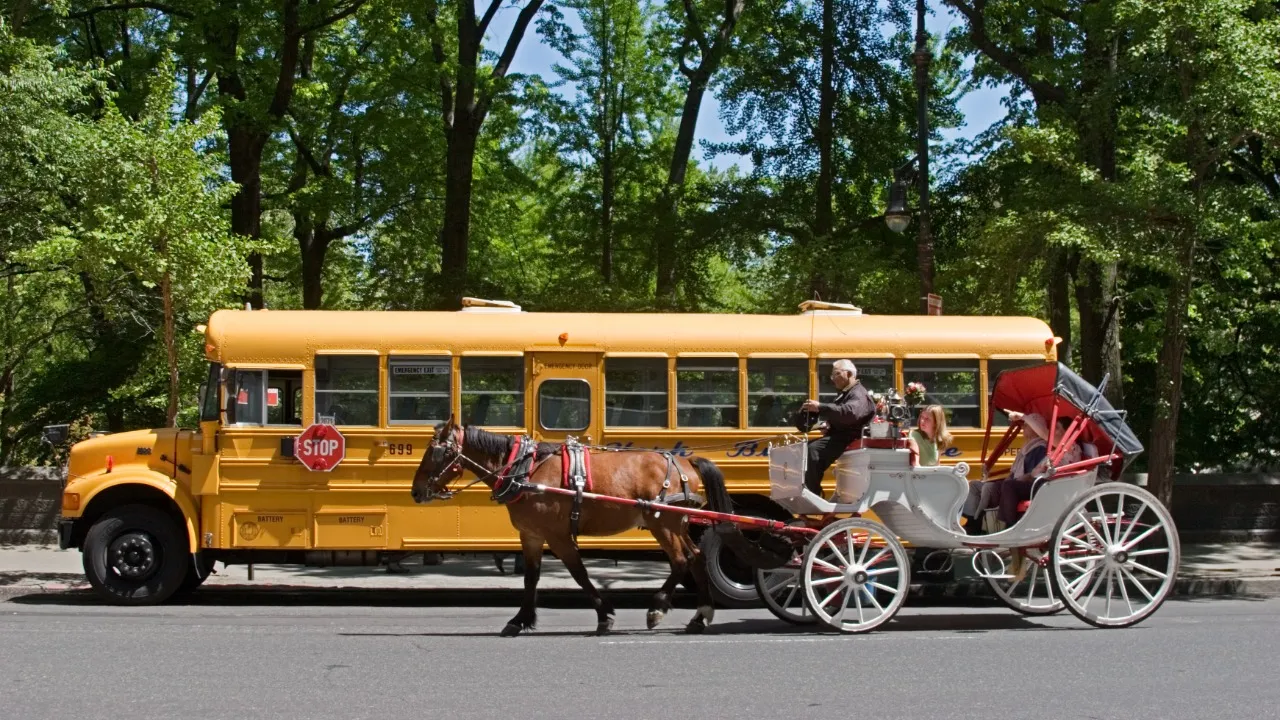
New York City is moving to end a tradition that has lasted since 1858. According to PEOPLE, the NYC Council officially passed a bill on Thursday, October 22, 2026, that will phase out horse-drawn carriages in Central Park. This legislation, known as Romanch’s Law, sets a firm deadline for the industry to wind down by June 1, 2028. The shift comes after a period of intense debate and several high-profile accidents that pushed the city to take action.
The move follows a tragic incident this past June involving 18-year-old Romanch Mahajan. He died after sustaining injuries when he fell from a carriage in the park. That same month, a 16-year-old carriage horse collapsed and died while pulling passengers. These events created a wave of public concern, leading officials to move beyond temporary fixes.
Gaurav Mahajan, Romanch’s uncle, spoke out during a rally on Thursday. He stated, “the hour of justice has finally arrived.” He added, “We’re turning our shattering loss into an unbreakable shield of kindness for the city. For months, our family hasn’t been allowed to just grieve. We’ve had to fight. We’ve had to channel our devastating sorrow into a war for change.”
Animal rights groups have supported the move for a long time
Animal rights activists argue that the practice of using horses to pull carriages through busy, loud streets is inhumane. Matt Bershadker, the president and CEO of the ASPCA, praised the decision. “The risks associated with carriage horses are inherent: forcing horses to pull carriages through New York City’s busy, loud streets is unsafe and places an undeniable strain on their quality of life,” he said. He also noted that the law serves as a lasting solution that protects animals while supporting workers.
Kitty Block, president and CEO of Humane World for Animals, echoed this sentiment. She argued that the industry operated on a fantasy and that animals are not symbols. She stated, “By ending the use of horse-drawn carriages, the City Council has recognized that no maintenance of tradition should come at the expense of risks to animals and people.”
The transition period is set for two years. This time is intended to let operators arrange for the humane retirement and placement of the horses. However, many drivers are worried about what this means for their livelihoods. According to NBC News, Alexus Lawson, a 28-year-old carriage driver from Queens, expressed her concerns about the future of her horses. “No one can come up with an appropriate answer because there is none,” she said. “Without a job, how can I take care of my horses?”
Medet Fidan, 56, a former cab driver who moved into the carriage industry, feels that he and his colleagues are being targeted. He noted, “I think the city is leaving us a big mess. We’re going to lose our businesses, we’re going to lose our jobs, we’re going to lose our livelihoods.”
What’s next for the drivers?
The legislation requires the office of NYC Mayor Zohran Mamdani to create a plan by next April to help the remaining drivers. This plan should include job referrals, career counseling, and educational opportunities. The city may also consider some form of compensation for the workers.
A spokesperson for the mayor said, “The mayor will sign this bill, and the Mamdani administration is working every day to ensure we can do so while providing the strongest possible protections for the owners and workers in this industry.” Council Speaker Julie Menin has also stated that she will remain engaged in the transition process. She has argued that horses no longer belong in the park among pedestrians, cyclists, and tourists.
Not everyone agrees with the decision to ban the carriages. President Donald Trump, whose namesake tower is located near Central Park, expressed his opposition to the new law. He took to social media to share his thoughts. “It was a Great Tradition. Another piece of History that’s gone. It will be missed!” he wrote. The carriage driver union has also signaled that they intend to file a legal challenge to stop the legislation.
Despite these objections, the city is moving forward with the change
The legislation represents a shift in how New York City views its historical attractions. As Council Member Lynn Schulman, Chair of the Committee on Health, stated, “Horse-drawn carriages have been part of New York City’s history since before cars, but our city has changed drastically.”
The mayor now has 30 days to sign the bill, veto it, or let it pass without his signature. The outcome will change the character of Central Park and end a practice that has been a staple of the city for over 150 years. For now, the city faces the challenge of managing this transition while trying to support the workers who have relied on the industry for their income.
Have a tip we should know? [email protected]
Follow The Mary Sue: