President Trump calls out The Wall Street Journal for using the term ‘AI’. Then he threatens to ban the word entirely
‘A very bad and inaccurate name.’
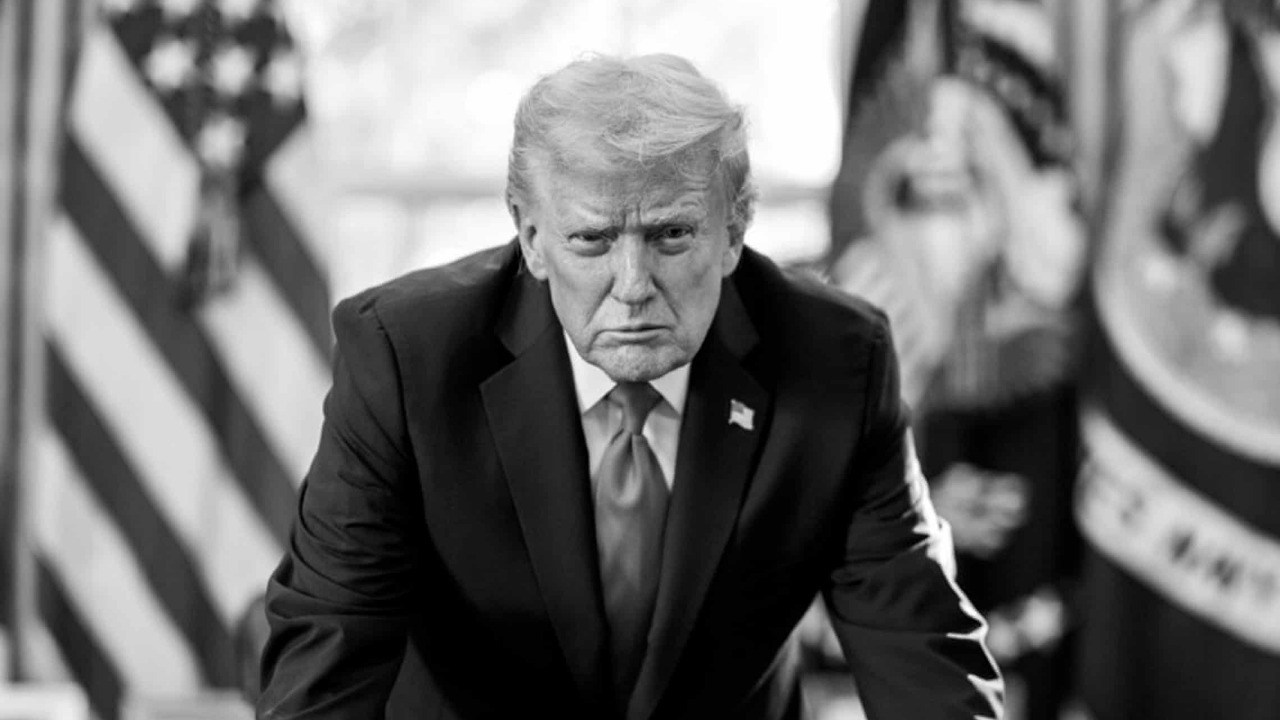
Donald Trump is taking a firm stance against the term artificial intelligence, officially moving to ban it across the federal government. This change comes as he pushes for the adoption of the term ‘super intelligence’, or SI, as the standard descriptor for the technology. According to The Hill, he announced this shift on Tuesday, October 27, 2026, signaling that the change will apply to all relevant documents and beyond.
The president views the existing name as inaccurate and misleading for the public. He shared his thoughts on Truth Social, stating, “In short order, we will be officially BANNING the term, ‘AI/Artificial Intelligence,’ in all relevant documents, and everything else, due to its inaccuracy.”
He did not stop there, as he specifically called out The Wall Street Journal for its continued use of the term. Trump asked, “When will The Wall Street Journal start calling Artificial Intelligence (AI), a very bad and inaccurate name, SI (Super Intelligence), the name which virtually everyone else is using, or soon will be.”
Trump has been building toward this for months
In September, Trump signed an order that directs the executive branch to replace the terms with his preferred language. During his address at the United Nations General Assembly last month, he made his position public.
Trump told the group that the United States would be renaming the technology in its official documents. He noted, “The United States also totally rejects any attempt to construct a globality scheme to control for the artificial intelligence being spoken of so much now, hereinafter called super intelligence. Changing the name.”
The president believes that the word artificial carries the wrong connotation. He argued, “The use of the word artificial makes intelligence sound fake. It is not fake. It’s actually amazing. But we have to be careful. In fact, it is exactly the opposite of what it purports.”
Earlier this month, he even announced the formation of the Super Intelligence Force. This new body is led by Director of National Intelligence Jay Clayton. The group is tasked with making sure that the United States stays ahead in the global race for this technology. Trump wrote on Truth Social that the force will coordinate federal efforts to ensure that America continues to lead the world in super intelligence. He added that the tech is bigger than the Industrial Revolution and the Internet.
The administration claims the change is about emphasizing the potential of these systems
According to Newsweek, White House spokesperson Liz Huston said, “The United States is the world leader in Super Intelligence, and the federal government should use a name that reflects the full promise and opportunities of this technology.” She also noted that the name change helps to reinforce the focus on American innovation and economic growth.
The push to rebrand comes as the world deals with a heated debate regarding the speed and safety of modern computing systems. Many experts and industry leaders have expressed worries about potential risks like job displacement and cybersecurity threats. Some even fear that these systems could eventually become too powerful for humans to keep under control.
Sam Altman, the CEO of OpenAI, warned in September that the future of the technology could go “very badly” if companies fail to maintain safety measures. He stressed that humanity must keep control of these systems so they can continue to serve the people. These concerns are shared by others in the field, including former Anthropic researcher Jacob Coxon.
Coxon described the rapid pace of development heading into 2027 as “pretty scary.” While the administration is focused on the name, the actual development of the systems continues at a high speed. The rebranding effort itself does not place new restrictions on how the technology is built or deployed. It is primarily a way for the federal government to frame its own priorities and language.
While the president can direct how executive agencies communicate, this authority has limits
Constitutional experts point out that the government can decide how it speaks for itself. However, it cannot force private institutions or the media to change their own language choices. Jamal Greene, a professor at Columbia Law School, explained that the president has no legal authority to police the language used by private entities like The Wall Street Journal.
This situation brings to mind past debates over government terminology. In 2017, there were reports that federal officials were advised to avoid certain words in budget documents, which led to a public outcry. At that time, many officials denied that any official bans were in place. The current situation with the term SI is different because it is backed by an explicit executive order.
Agencies are now required to update their documentation to reflect the new naming convention. While the administration is pushing for a widespread shift, the practical impact remains restricted to the government sector.
Have a tip we should know? [email protected]
Follow The Mary Sue: