


Mars Is Ditching Two Classic M&M Colors to Satisfy MAHA Health Mandates, While a Hidden Ingredient Wrecks the Factory Pipes
A messy switch.
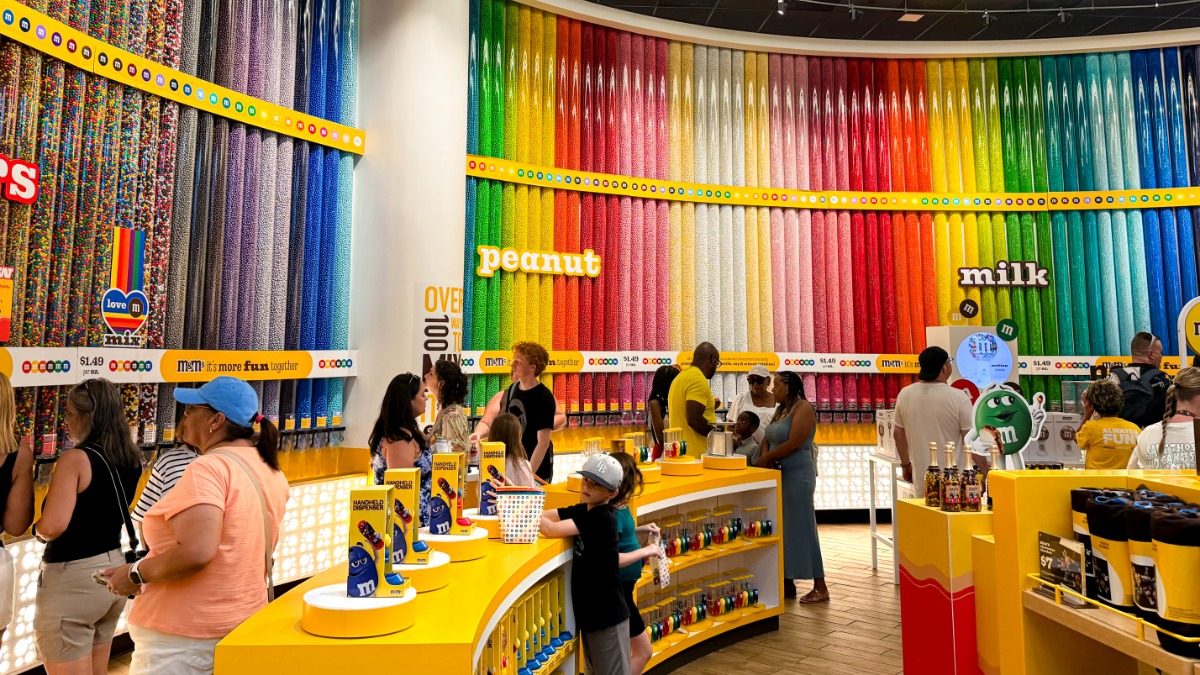
Mars just dropped a bombshell that’ll make M&M fans do a double-take. According to the NY Post, the candy giant is ditching two classic colors – blue and brown – in its new natural-ingredient version hitting shelves this August. The reason? A hidden ingredient that’s wreaking havoc on factory pipes and forcing a multimillion-dollar overhaul.
This isn’t just a minor tweak to the iconic candy. Mars is rolling out a version of M&M’s without artificial dyes, a move spurred by the Make America Healthy Again (MAHA) movement led by Health Secretary Robert F. Kennedy Jr. The push to eliminate synthetic food colorings has been gaining steam, and Mars is now fully committed to offering a cleaner alternative, even if it means temporarily losing two fan-favorite shades.
The problem isn’t just about swapping out dyes. It’s about the messy reality of making that switch. The blue M&M’s, which have been part of the lineup since 1995, are proving to be the biggest headache. Mars turned to spirulina, a high-protein algae often hailed as a superfood, to replace the artificial Blue 1 dye.
But spirulina isn’t playing nice
It takes roughly seven times more of the algae-based pigment to achieve that signature cerulean hue, and the result is a thick, foamy mixture that leaves behind a sticky residue. That gunk is clogging pipes and even causing mold buildup, which is a major food-safety red flag.
Claire Hewitt, the Mars executive leading the charge on this project and self-described “chief color officer,” didn’t mince words about the challenge. “It’s the hardest thing I’ve had to do in my career,” she told the Wall Street Journal.
The blue issue is so complex that Mars had to drop brown M&M’s from the initial natural lineup too, since brown relies heavily on blue dye to get its look. The company even toyed with adding purple or pink candies but ultimately decided neither looked right. After considering a three-color mix, Mars settled on a four-color lineup for the debut.
The scale of this overhaul is massive. More than 100 employees across Mars facilities have been working on cracking the coloring code, and the company is spending big to make it happen. To handle the spirulina mess, Mars is upgrading over 300 machines in its M&M’s plants.
That includes installing new mixing tanks, paddles, and motors, all designed to handle the thicker, foamier mixture. Cleaning those machines will also be a bigger chore, requiring hotter water, more force, and extra time.
This isn’t the first time Mars has tried to go natural
Back in 2016, the company pledged to remove artificial colors from its food products but later backtracked, saying shoppers weren’t particularly concerned about dyes in occasional treats. Fast forward to today, and the pressure from MAHA has changed the game.
Kennedy’s movement has already led to permanent bans on Citrus Red No. 2 and Orange B dyes. According to The Telegraph, the FDA is now phasing out approval for Green 3, Red 40, Yellow 5, Yellow 6, Blue 1, and Blue 2. With those restrictions in place, food companies are scrambling to find alternatives, even if it means overhauling their entire production process.
For now, the naturally colored M&M’s will be sold exclusively on Amazon, while packs of the traditional artificially colored versions remain available everywhere else. Mars isn’t giving up on bringing back blue and brown, though. The company’s ultimate goal is to recreate all six classic colors using natural ingredients by 2028.
That’s a tall order, especially when you consider the spirulina fiasco. But Anton Vincent, president of Mars Snacking North America, acknowledged the stakes. “You’re messing with an 85-year-old icon,” he told the WSJ.
The project has been daunting, but Mars is pressing forward anyway
The red, orange, and yellow M&M’s in the new lineup will get their colors from beetroot and turmeric, which are far easier to work with than spirulina. Those shades have been successfully tested and won’t require the same level of machine upgrades. But blue? That’s the real wild card.
The MAHA movement has been a game-changer for the food industry. While companies have long defended artificial dyes as safe and regulator-approved, the growing pressure to go natural is impossible to ignore. Health Secretary Kennedy’s push has already led to bans on several dyes, and more restrictions are likely on the way. For Mars, that means investing millions to keep up with the times, even if it means temporarily losing two of its most beloved colors.
If you’re a fan of blue or brown M&M’s, don’t panic just yet. The traditional version isn’t going anywhere, and Mars is determined to bring those colors back in a natural form. But for now, the new lineup is a sign of how far the company is willing to go to meet health mandates – and how messy the process can be.
(Featured image: G1B71)
Have a tip we should know? [email protected]
Follow The Mary Sue:
