


Trump Is Calling the U.S. Naval Blockade a Wall of Steel, but the Move Is Pushing Gas Prices Into Uncharted Territory
Another record high.
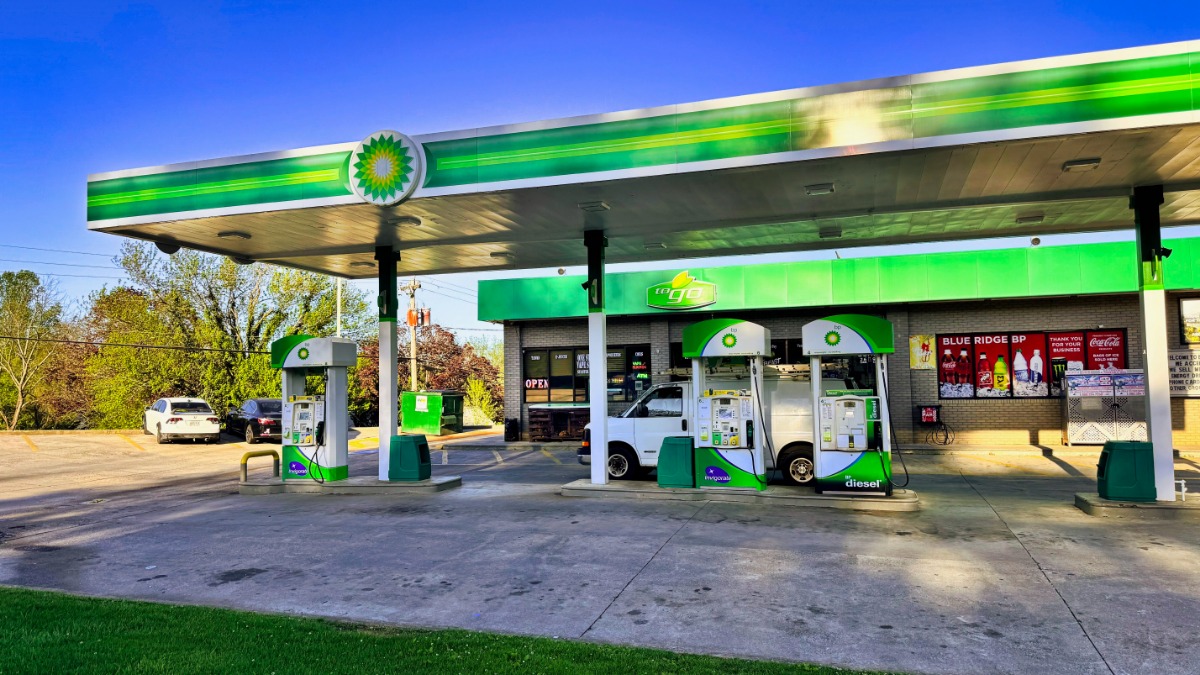
The U.S. naval blockade in the Strait of Hormuz is pushing gas prices to record highs for this time of year, and President Trump is calling it a “Wall of Steel” while refusing to back down. On Wednesday, August 12, 2026, fuel tracking service GasBuddy confirmed the national average price for gasoline climbed past $4 a gallon, a threshold that has never been crossed this late in the summer.
According to The Hill, the last time prices even came close was in 2022, when the average hit $3.98 a gallon on the same date. This surge follows months of chaos in global oil markets after the Strait of Hormuz, a critical shipping route that handles about 20% of the world’s daily oil consumption, was effectively shut down. The closure stems from ongoing military strikes and the U.S. naval blockade, which Trump has framed as an unbreakable defense strategy.
On Wednesday morning, he took to Truth Social to reinforce that stance, writing, “Our Naval Blockade is being called, by everyone, ‘A WALL OF STEEL,’ and there is nothing Iran can do about it.” He also doubled down on his refusal to meet Iran’s demands, which include lifting sanctions, ending the blockade, and paying war reparations. Trump demanded Iran compensate the U.S. “for all the people that they have killed and gravely wounded with their roadside bombs and many conflicts.”
The timing couldn’t be worse for drivers
Summer is typically peak driving season, when gas prices usually climb before easing in the fall. This year, though, prices have defied that trend. Analysts say the blockade isn’t just disrupting oil shipments. In fact, it’s creating a ripple effect across global supply chains.
David Doherty, head of natural resources at BloombergNEF, explained that countries that normally buy crude from the Middle East are now turning to the U.S. for refined gasoline instead. “The U.S. is basically sending a bunch of different oil products to Europe to fill some of the gap,” he said. That extra demand is squeezing domestic supplies and keeping prices elevated.
Tom Kloza, chief oil analyst at Gulf Oil, put it bluntly: “We’re paying more than we’ve ever paid this time of year.” The average price of $4.04 a gallon, according to AAA, is nearly a dollar higher than it was at this time last year. And there’s no immediate relief in sight.
Kloza and other analysts expect prices to stay stubbornly high for at least the next four to six weeks. Jim Mitchell, director of oil trading analytics at Wood Mackenzie, said the shift to winter gasoline blends, typically cheaper to produce, could ease some pressure after that. But for now, drivers are stuck with the highest August prices on record.
The last major gas price spike happened in 2022 during Russia’s war with Ukraine
In 2022, the average peaked at just over $5 a gallon. By mid-August of that year, though, prices had already started to drop, settling at $3.99 a gallon. This year, there’s no sign of a similar cooldown. Kloza warned that if prices stay elevated through the fall, they could become a major issue in the upcoming midterms.
“I don’t think we’re going to have apocalyptic prices in the next 90 days or so,” he said, “but I do think they’re going to be as high as they’ve ever been for this time of year.” Without a hurricane or other major disruption, he predicted averages could settle between $3.50 and $3.75 a gallon – but that’s still higher than usual for this season.
The blockade’s impact goes beyond just gasoline
Diesel prices, which fuel the trucks that transport goods across the country, are also climbing. Kloza warned that higher diesel costs could trickle down to everyday products, driving up prices for everything from groceries to electronics.
“The biggest problem with the CPI going forward will arrive via the additional costs related to freight and movement that are tied to high diesel prices,” he said. It’s not just an oil production crisis but also a refined products crisis. Drone strikes in Russia and the Middle East have further reduced global refining capacity, tightening supplies and pushing prices even higher.
Iran and Oman have hinted at progress in negotiations to reopen the Strait of Hormuz, but Trump’s hardline stance makes a quick resolution unlikely. Until then, drivers can expect to keep paying record prices at the pump, while the administration insists the blockade is a necessary show of strength. Whether that trade-off is worth it may become a defining question in the months ahead.
(Featured image: Harrison Keely)
Have a tip we should know? [email protected]
Follow The Mary Sue:
