


The Gaza doc the BBC paid for but refused to air just won a BAFTA and its creators just put the broadcaster on blast live on stage
Weaponizing censorship.
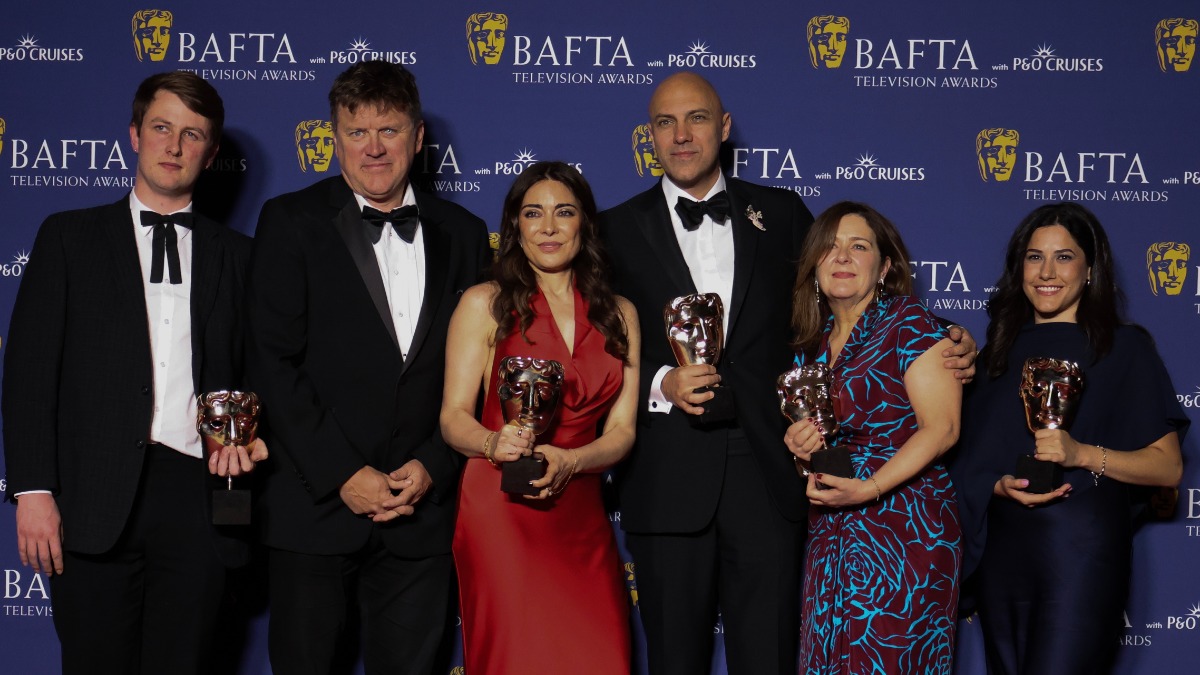
The team behind Gaza: Doctors Under Attack just won a BAFTA for Current Affairs and used their acceptance speech to call out the BBC for shelving the documentary after paying for it. According to The Hollywood Reporter, the moment, which aired live during the ceremony at London’s Southbank Centre, turned into one of the most charged political statements of the night.
Reporter Ramita Navai didn’t hold back, detailing the film’s findings and directly accusing the BBC of censorship. Then, executive producer Ben De Pear dropped the mic with a question aimed straight at the broadcaster: Would the BBC cut their speech from the delayed TV broadcast later that night? The answer came quickly. When the ceremony aired on BBC One, the speech was left intact. But the damage, or the victory, was already done.
The documentary, originally commissioned by the BBC, was pulled last year over impartiality concerns. It finally aired on Channel 4 in July after the BBC decided it couldn’t broadcast the film while a review of another Gaza-related documentary was still pending. That other film, Gaza: How To Survive A Warzone, had already sparked internal debates about editorial standards.
BBC said it wanted to avoid perception of partiality
The BBC’s official statement at the time said they wanted to avoid any perception of partiality, especially with two Gaza documentaries from independent producers in the pipeline. They even tried to negotiate a way to air some of the material in news segments, but those talks hit a dead end.
De Pear, a former Channel 4 News editor, has been vocal about his frustrations with the BBC’s handling of the situation. At the Sheffield Documentary Festival last year, he didn’t mince words, calling the BBC’s position “indefensible” and accusing the corporation of making editorial decisions for PR reasons rather than journalistic integrity. According to Metro, he also claimed that many within the BBC were “ashamed” of its coverage of Gaza.
Navai’s comments on Radio 4’s Today program, where she described Israel as a “rogue state” committing war crimes, didn’t help matters. The BBC cited those remarks as part of its decision to shelve the film.
For its part, Channel 4 didn’t hesitate to pick up the project. Louisa Compton, the network’s head of news and current affairs, called the documentary “meticulously reported” and said it exemplified Channel 4’s commitment to “brave and fearless journalism.”
She also defended the film’s impartiality, arguing that it presented a view that “both divides opinion and frequently provokes disputes about what constitutes a fact.” The documentary, which investigates Israeli military attacks on Gaza’s hospitals and allegations of abuse against healthcare workers, is now available to stream on Channel 4.
The BAFTA win puts the spotlight back on the BBC’s editorial decisions
This is especially true regarding coverage of the Israeli genocide in Gaza. The corporation has long prided itself on impartiality, but critics argue that its strict adherence to balance can sometimes lead to self-censorship. Last June, BBC emphasized its determination to “report all aspects of the conflict in the Middle East impartially and fairly,” but the shelving of Doctors Under Attack has left many questioning whether that impartiality comes at the cost of silencing important voices.
The speech at the BAFTAs wasn’t just a victory lap. It was a challenge. By asking the BBC whether it would cut their acceptance speech from the broadcast, De Pear forced the broadcaster into an uncomfortable position. If they had edited it out, it would have only reinforced the perception that they were trying to suppress the film’s message. Leaving it in, however, meant giving a platform to criticism of their own editorial decisions.
For viewers, the bigger question is what this means for journalism in the UK
The BBC’s impartiality guidelines are meant to ensure fair coverage, but when they result in a documentary being shelved after it’s already been paid for, it raises concerns about whether those guidelines are being applied fairly or whether they’re being used as a shield to avoid difficult conversations.
Channel 4, meanwhile, has positioned itself as a network willing to take risks where others won’t. Compton’s statement about the film being “fact-checked” and compliant with Ofcom’s broadcasting code suggests that Channel 4 sees itself as upholding journalistic standards without the same constraints.
The documentary itself is a harrowing look at the conditions faced by doctors and healthcare workers in Gaza. Navai’s speech at the BAFTAs laid out some of the film’s most damning findings: over 47,000 children and women killed, every hospital in Gaza targeted, more than 1,700 Palestinian doctors and healthcare workers killed, and over 400 imprisoned in what the UN has called a “medicide.”
These aren’t just statistics. They’re the core of the investigation that the BBC funded but refused to air. The BAFTA win and the subsequent speech have turned Gaza: Doctors Under Attack into more than just a documentary. It’s now a symbol of the broader debate over press freedom, impartiality, and the role of public broadcasters in covering conflicts.
(Featured image: JaceMerlyn)
Have a tip we should know? [email protected]
Follow The Mary Sue:
