


Texas woman says her dog’s routine blood work always came out perfect. Then she finds out the truth too late: ’Save your dog’
She shares advise so that others don't experience the same heartbreak she did.
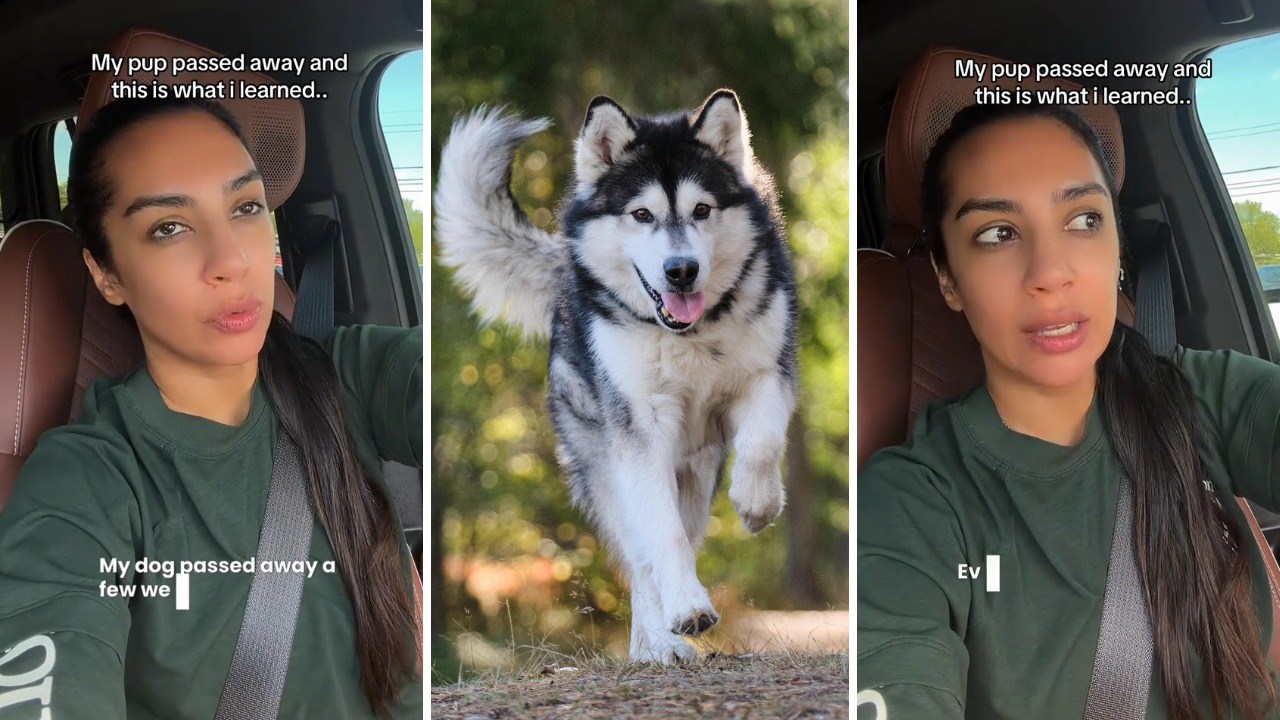
Dogs are one of the best companions a person can have, and many consider them their children and part of the family. So it’s only natural to want our pets to stay healthy and live long. However, one woman is urging pet owners to stay vigilant, warning that even the healthiest animals can pass away unexpectedly.
“If you are a dog owner and you want your dog to live as long as possible,” Anishta (@anishta_) began in her TikTok video. “My dog passed away a few weeks ago, so I wanted to share a few things I learned.”
In her video, Anishta urged other pet owners to get additional diagnostic testing on top of the routine check-ups when they make a visit to the vet as their pets get older. According to Anishta, her dog’s blood work always came out “good,” leading her to believe nothing was wrong with her dog. But her dog’s passing showed that there are limits to relying on blood work. “It’s like a human being. Our blood report can look so good, but you can still get a brain aneurysm,” she said.
Anishta advises owners to get additional tests for their dogs
Anishta’s first advice is for owners to consider getting brain scans, such as CT and MRI scans, when their pets can handle the procedure. According to Anishta, her dog was diagnosed with a heart disease, but the cause of her dog’s death was that he “lost blood flow” in his brain, which might have been preventable had she known about it. “The speculation is he had either a blood clot or a brain hemorrhage, or some kind of neurological collapse,” Anishta said.
Another procedure Anishta recommended was abdominal testing, something she wished veterinarians had suggested her dog undergo before passing away. Anishta said her research showed that Doppler ultrasound can be used for the testing, which “can see things that blood work can’t catch.”
A Doppler ultrasound is a non-invasive procedure used to monitor the direction and measure blood flow through blood vessels. It also helps identify problems with circulation, such as blocked vessels, blood clots, or heart valve defects, according to the Cleveland Clinic.
Anishta reflects on her dog’s passing and believes that medical professionals should recommend additional types of testing, rather than relying solely on annual blood work and vaccinations for older dogs. “You should extend. Like, ‘Hey, you wanna do abdominal testing? Your dog is over 10 years old, your dog is over eight years old,’” Anishta said.
Testing is based on condition and health history
Anishta’s experience swayed viewers to consider their dog’s health. One commenter wrote, “Thank you for this. I’m going to schedule.”
Some shared how their paranoia led them to request additional testing for their pet, which was how they found out about a life-threatening disease: “I randomly got all these test done on my baby. They found skin cancer even though all his blood work was perfect. We found the cancer so early that it didn’t spread and was still stage 1. We were so lucky! But if my paranoia and pushiness didn’t get the best of me we would have just left it at the blood work.”
While Anishta’s advice comes from concern for pet health, a pet’s current condition and medical history will ultimately determine whether a CT or MRI scan is appropriate, according to Sage Veterinary. It is also worth noting that neither imaging test can 100% guarantee that it will detect a blood clot or brain hemorrhage before it happens.
Pet owners should also consider whether their dog is able to safely undergo these imaging tests. In most cases, pets will need to be put under anesthesia or sedation for CT and MRI scans, which may be riskier for older pets. Ultimately, it’s recommended that pet owners consult with a veterinarian to discuss which additional tests may be appropriate for their pet.
Have a tip we should know? [email protected]
Follow The Mary Sue:
