PETA posts three words about turkeys on X during Thanksgiving. Then thousands of users hit them with a reality check
“Turkeys aren’t food.”
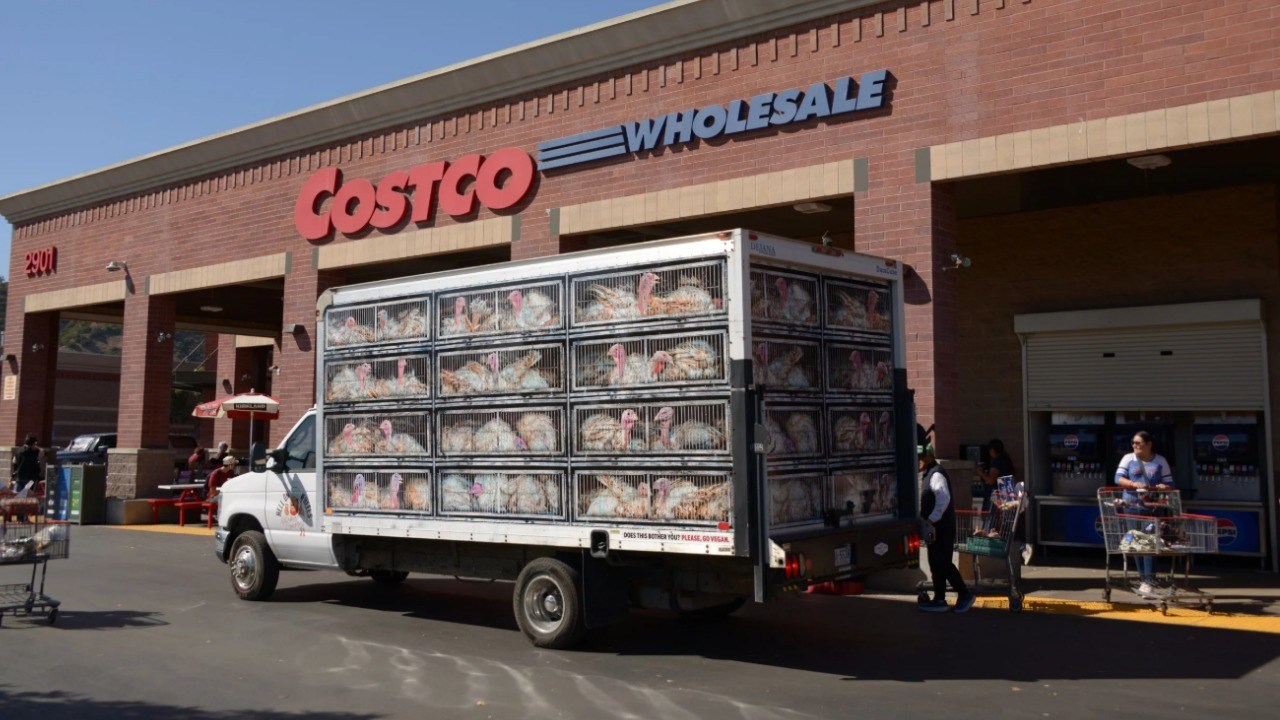
The official People for the Ethical Treatment of Animals (PETA) account on X sparked a massive digital backlash this Thanksgiving after posting a three-word message about turkeys. On Thursday, November 26, 2026, the group wrote in a post, “Turkeys aren’t food,” a claim that was almost immediately met with a community note from users on the platform. According to Newsweek, the note, which was rated as helpful by others, stated, “Yes they are.”
This interaction quickly became a focal point for thousands of users who stepped in to offer a reality check. An updated version of the note added, “Turkeys are sold in supermarkets around the world as food, and multiple recipes exist,” while citing the U.S. Department of Agriculture (USDA) and other sources. Users tagged the note as easy to understand and directly relevant to the post, highlighting a growing friction between the advocacy group and the broader public regarding holiday traditions.
This incident follows a busy week for the organization, which has been making headlines for its aggressive protest tactics. According to NewsNation, on Tuesday, three activists interrupted the Radio City Music Hall Christmas Spectacular. They rushed the stage to demand an end to the use of live camels, sheep, and donkeys in the show’s nativity scene. They carried signs and shouted slogans like, “Take the cruelty out of Christmas!” before security removed them from the building.
PETA’s push is part of a wider campaign that includes pressuring major corporate sponsors
Fox News reports that PETA President Tracy Reiman released a statement shortly after the disruption, arguing that the animals were subjected to stressful conditions. “Unlike the Rockettes, the camels, sheep, and donkeys exploited for the Christmas Spectacular didn’t sign up for bright lights, roaring crowds, and the chaos of the stage, which can be confusing and downright terrifying for them,” Reiman said.
Radio City Music Hall responded by stating that the group deliberately endangered performers and interfered with the guest experience. They added that they have zero tolerance for such behavior and intend to pursue legal action against those involved.
The push against the use of live animals in entertainment is part of a wider campaign that includes pressuring major corporate sponsors. Nearly 40,000 supporters have reportedly called on companies like Chase, Lexus, SpotHero, and Verizon to end their sponsorships of the show until the live animal acts are retired.
PETA has even offered to fund a life-size camel puppet to replace the live animals. It pointed to the success of productions like Broadway’s The Lion King as proof that stagecraft can replace real animals in major shows.
PETA has also targeted the annual White House turkey pardon tradition
PETA Campaigns Media Manager Amanda Brody defended the recent protests and clarified the group’s stance on the White House turkey pardons. “We were asking President Trump to become the first sitting president who isn’t fooled by the turkey industry into becoming an unpaid spokesperson for cruel factory farms,” Brody said. She explained that the group believes the pardon ceremony serves as a promotional tool for the commercial turkey industry.
PETA’s concerns regarding turkeys often focus on the biological impact of commercial breeding practices. Brody argued that modern farmed birds are selected for rapid growth, which leads to significant health issues.
“They often only live one or two years because their chest grows so large that their heart cannot withstand the weight,” Brody stated. She described this as a process where farmers “breed turkeys to grow so large, so fast that their organs and their legs soon give out and they die within a year or two.”
Despite these intense efforts to shift public opinion, turkey remains a massive part of the American diet. Data from the National Turkey Federation suggests that about 88% of households still eat the bird on Thanksgiving.
While overall consumption has dipped to about 13.6 pounds per person annually from a high of 17.7 pounds in 1995, it remains a holiday staple across the country. According to USDA data, the leading turkey-producing states include Minnesota, North Carolina, Arkansas, and Indiana.
The cultural landscape surrounding these issues remains complex
While PETA continues to call for federal regulators to move faster away from animal testing and to end various agricultural practices, the public response on platforms like X suggests that many people remain firmly attached to traditional consumption habits. The contrast between the group’s digital messaging and the realities of the agricultural industry often leads to these heated online exchanges.
Have a tip we should know? [email protected]
Follow The Mary Sue: