Russia claims its new nuclear submarine is the first to carry Zircon hypersonic missiles. Then the Kremlin confirms what is coming next
Strengthening nuclear capabilities.
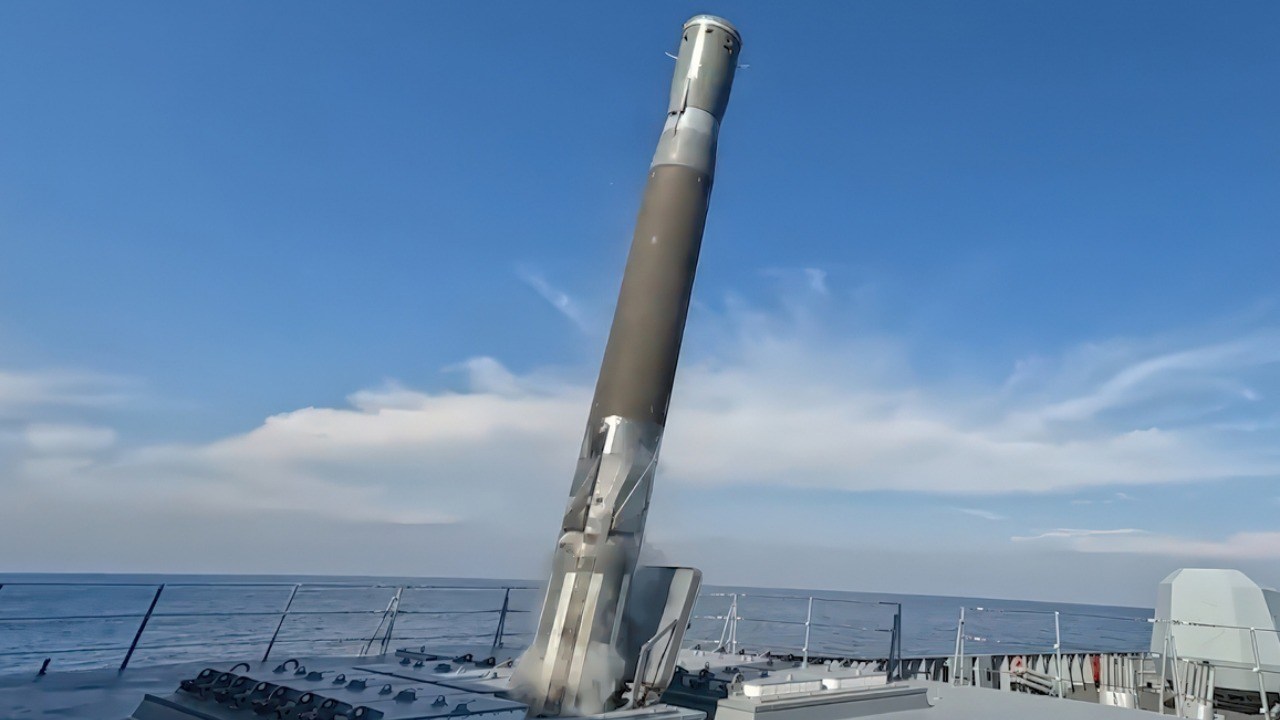
Russia has officially introduced a new nuclear-powered submarine that Moscow claims is the first to carry Zircon hypersonic missiles. According to Al Jazeera, this significant naval expansion was announced by President Vladimir Putin during a formal flag-raising ceremony held at the Sevmash shipyard in the northwestern city of Severodvinsk on Friday, November 27, 2026.
The vessel, named the Perm, represents a shift in the country’s maritime military capabilities. According to video footage released by the Kremlin, the transfer of the submarine to the navy marks a new phase in the ongoing modernization of the Russian fleet. Putin spoke at the event to highlight the status of the new technology. “Russia is one of the few countries in the world capable of building powerful nuclear submarines of this kind, weapons with global reach and significance,” he said.
The Perm is a multipurpose nuclear-powered submarine. It differs from the ballistic missile submarines that typically form the core of the nation’s strategic nuclear deterrent. These vessels are essential to the military strategy because their ability to operate covertly underwater ensures a retaliatory strike capability in the event of an attack.
The Kremlin has confirmed that this is just the beginning of a broader naval buildup
Putin stated that the navy will receive five more submarines by 2030. This group will include three Yasen-M class vessels, which are the same type as the Perm. These submarines are designed to operate in any part of the world’s oceans while carrying a range of cruise missiles.
Putin expressed confidence that all plans to build a powerful naval force will be implemented in full and on time. He also praised the capabilities of the Zircon hypersonic missiles, claiming they had demonstrated their destructive power and accuracy.
This news arrives as Russia prioritizes its nuclear infrastructure amid rising tensions with NATO. Russian Deputy Defense Minister Lieutenant General Pavel Fradkov confirmed that the military is focused on building facilities for its nuclear deterrent forces. According to Newsweek, Fradkov said that Defense Minister Andrei Belousov had approved an extensive military infrastructure construction program and was personally overseeing its implementation.
“There are a number of priorities. First and foremost, it’s the creation of infrastructure to support incoming weaponry. The construction of facilities for nuclear deterrent forces,” Fradkov said, Russian state-run news agency TASS reported. The deputy defense minister also highlighted plans to develop naval infrastructure supporting the submarine fleet, modernize airfields, and improve military training facilities.
The geopolitical climate surrounding these developments is quite tense
Dmitry Polyansky, the permanent representative of Russia to the Organization for Security and Cooperation in Europe (OSCE), alleged on Thursday that NATO is conducting military exercises meant to seize the Kaliningrad exclave. He claimed that Western military preparations were putting Russia and NATO on a trajectory toward nuclear conflict.
“We’re also inching closer to that by way of the direct involvement of certain NATO countries in terrorist attacks on Russian civilian vessels in the Baltic Sea,” Polyansky said. These claims come as German-led military exercises are scheduled to run through December 3. Lithuania has stated these exercises are intended to improve military readiness and cooperation among allies. NATO maintains that it is a defensive alliance.
The international community is watching these moves closely. President Donald Trump urged Putin to scale back military aggression across Europe during their recent discussions in China. Trump described the war in Ukraine as “A COMPLETE BLOODBATH” and expressed optimism that a peace agreement could be reached quickly.
Trump also met with NATO Secretary General Mark Rutte at his Mar-a-Lago estate in Florida on Wednesday. The two leaders issued a joint statement emphasizing the importance of Russia avoiding actions that could widen the conflict. Trump previously promised that he would end the Russia-Ukraine war within 24 hours. Putin’s reported assurances have not been independently verified.
The context of these military decisions is rooted in a changing legal framework
Russia and the United States possess the world’s two largest nuclear arsenals. Uncertainty regarding nuclear arms control has grown following the expiration of the New START treaty in February. Furthermore, in November 2024, Putin revised the nuclear doctrine of Russia. This revision broadened the circumstances under which Moscow could consider using nuclear weapons.
There are also concerns regarding space-based threats. German media outlets reported earlier this week that Moscow could launch a nuclear-armed satellite into space before the end of the year. This could potentially threaten military and civilian satellite networks. These reported plans have not been independently confirmed.
During a meeting with German Chancellor Friedrich Merz in Berlin on Monday, NATO Secretary General Mark Rutte said the alliance was continually assessing its deterrence and defense capabilities, including in space. Rutte also condemned an incident last week involving Russian missiles landing in Poland.
Have a tip we should know? [email protected]
Follow The Mary Sue: