


New Evidence From the Yucatán Crater Proves Dinosaur Extinction Was Triggered by a Specific Type of Meteorite Never Before Seen in Our Neighborhood
Crazy odds.
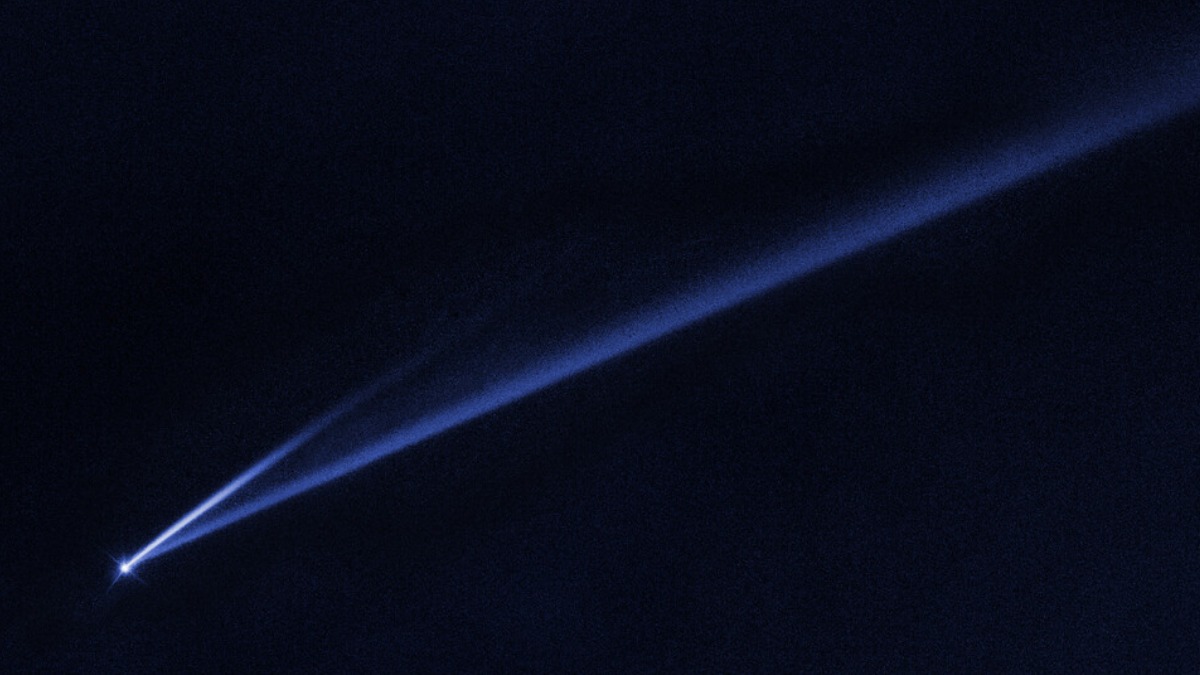
New evidence from the Yucatán crater confirms the asteroid that wiped out the dinosaurs 66 million years ago was an ultra-rare meteorite we almost never see on Earth. According to The Independent, researchers nailed down the exact class of space rock that ended the Cretaceous period, and it’s a type called a CO chondrite. These carbon-rich chunks make up only 5% of all meteorites ever found on our planet, so the odds of one this size slamming into us were astronomically low.
The team, led by scientists at the University of British Columbia and partners in Europe, dug into the chemistry of the Chicxulub impactor by studying nickel isotopes in the thin global clay layer left behind after the collision, per Science Daily. That clay is basically the only surviving fingerprint of the six-mile-wide rock that vaporized on impact. Because the meteorite itself was obliterated, the researchers had to work with what little dust remained.
What they found was a rock that’s way different from the usual meteorites we collect. CO chondrites are packed with carbon monoxide but carry almost no sulfur, zinc, or water. That last bit is important because sulfur has been a prime suspect in the extinction story. The thinking was that sulfur from the meteorite could have reacted in the atmosphere, creating acid rain or blocking sunlight.
Turns out, the CO chondrite had so little sulfur that it probably wasn’t the main villain
Instead, the real damage came from the sheer volume of fine debris blasted into the sky. Imagine a global dust storm that lasted for years, shutting down photosynthesis and collapsing food chains from the bottom up.The impact itself was nothing short of apocalyptic. The asteroid hit what’s now the Yucatán Peninsula at about 64,000 kilometers per hour, carving out the Chicxulub crater.
If you were within 2,000 kilometers of ground zero, you were toast – literally. The thermal radiation and supersonic winds would have incinerated everything in seconds. Even if you were farther away, the aftermath was just as brutal. The dust cloud would have plunged the planet into a prolonged winter, making it nearly impossible for plants and animals to survive.
So where did this rare rock come from? The best guess right now is that it originated in the outer reaches of the asteroid belt near Jupiter or even farther out in the solar system. CO chondrites are some of the oldest and most primitive materials in our cosmic neighborhood, so this wasn’t some random space pebble. It was a relic from the early days of the solar system, and it just happened to cross paths with Earth at the worst possible time.
The new findings don’t rewrite the story of the dinosaur extinction
However, they do add some crucial details. We now know the impactor was a CO chondrite, which helps explain why the extinction was so severe. Without much sulfur to blame, the focus shifts back to the sheer scale of the debris cloud and the global climate disruption it caused.
Some scientists think climate change or massive volcanic eruptions might have weakened ecosystems before the asteroid hit, making the extinction even worse. Others are still piecing together exactly how the debris cloud altered the planet’s climate. But one thing is clear: the dinosaurs didn’t stand a chance. They were dealt a losing hand by a rock that was as rare as it was destructive.
CO chondrites are fascinating in their own right. They’re like time capsules from the birth of the solar system, and they’re incredibly uncommon. Most meteorites on Earth are stony or metallic, but CO chondrites are a whole different beast. They’re packed with carbon and other elements that give us clues about how planets formed. Finding one this size, though, is like winning the cosmic lottery – except in this case, the prize was a global catastrophe.
The Chicxulub impactor is a perfect example of how a single event can reshape life on Earth
It wasn’t just about the dinosaurs. About 75% of all species vanished in the aftermath, clearing the way for mammals to take over. Without that asteroid, we might not be here today. It’s a humbling reminder that our planet’s history is full of random, violent twists, and sometimes, survival comes down to sheer luck.
For now, the research continues. Scientists are still digging into the Yucatán crater and studying the global clay layer to uncover more details about the impact. Every new discovery helps us understand not just what happened 66 million years ago but how life on Earth recovers from catastrophic events.
(Featured image: NASA Hubble)
Have a tip we should know? [email protected]
Follow The Mary Sue:
