


Tourists at Guatemala’s Most Active Volcano Scramble for Their Lives After an Eruption Turns a Routine Hike Into a Gauntlet of Fire
Straight out of a movie.
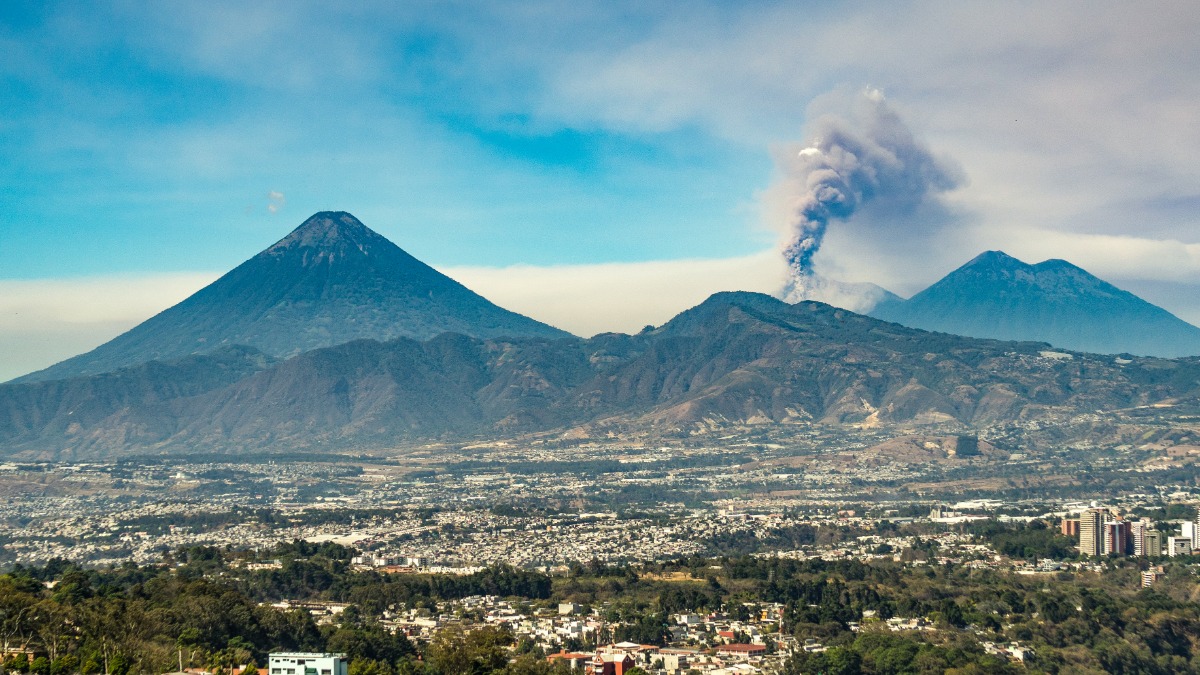
Tourists at Guatemala’s Volcán de Fuego got the scare of their lives this week when a routine hike turned into a sprint for survival as lava and rocks rained down around them. According to NY Post, a new video shared by AccuWeather shows the terrifying moment the volcano erupted, sending hikers scrambling for cover as chunks of molten rock pelted the ground.
In the footage, one hiker can be heard screaming, “Oh my God, holy s—,” before yelling, “Run! Run!” The noise of the eruption echoes through the video as the group dashes to safety. Another clip shows a tourist scooping up a dog and carrying it away from the danger zone. One person even tried to cool down the glowing rocks with bottled water, a move that probably didn’t do much but shows just how panicked everyone was.
Hana García, one of the hikers caught in the chaos, said a piece of rock burned straight through her coat and nearly hit her in the head. “The volcano erupted and I managed to film a little bit of it, but I didn’t record much because, while I was filming, I looked up and started seeing rocks falling,” she said. “At that moment I was kind of in shock, and then I started running.” García called the experience “unforgettable” but admitted she was “absolutely terrified”.
Volcán de Fuego is no stranger to activity
Researchers from Oregon State University say it’s almost constantly active, with small explosions of gas and ash happening every 15 to 20 minutes. It’s Guatemala’s most active volcano, with more than 60 eruptions recorded since the Spanish conquest in 1524. Most of those have been minor, but three have been deadly.
The most recent major eruption happened on June 3, 2018, when pyroclastic flows buried small towns and killed over 100 people. Ash clouds from that blast reached up to 33,000 feet, visible even from space. This latest eruption is a stark reminder of how quickly things can go wrong when you’re near an active volcano.
Just days before this incident, Harris Whitbeck, the director of the Guatemalan Tourism Institute (Inguat), had issued a warning to tourists and tour guides to stay away from the prohibited areas of Fuego. In an interview with the Guatemalan News Agency, Whitbeck emphasized that climbing the volcano isn’t just dangerous for the hikers themselves; it also puts rescue workers at risk.
“We do not want to prevent visits to the volcanoes of Guatemala, which are one of the country’s biggest tourist attractions, but we want them to be done responsibly, with common sense,” Whitbeck said. He pointed out that when tourists ignore safety warnings, they’re not just risking their own lives or those of their guides. They’re also potentially endangering the lives of the rescue teams who might have to come to their aid. “It’s not right,” he said.
Officials urge people to think twice before venturing into dangerous areas
Whitbeck also called on tour guides to prioritize safety over thrill-seeking. “They should be aware of how dangerous it can be to get so close to the crater of an active volcano,” he said. His message was clear: enjoy Guatemala’s natural beauty, but don’t do it at the expense of your safety or the safety of others. For emergencies, he directed tourists to call Asistur at 1500, but he also encouraged them to explore the country’s destinations in ways that don’t put anyone at risk.
The recent eruption and the warnings that preceded it highlight a growing problem: the tension between adventure tourism and safety. Volcanoes like Fuego are undeniably breathtaking, and the thrill of getting up close to one is a big draw for many travelers. But as the video of the eruption shows, that thrill can turn into terror in an instant. The rocks raining down on hikers weren’t small pebbles. They were chunks of molten lava capable of causing serious injury or worse.
The experience was a wake-up call
“I was filming, and then I looked up and saw rocks falling,” Garcia said. That split-second decision to run instead of keep recording probably saved her from serious harm. It’s a lesson that other tourists would do well to remember. Active volcanoes aren’t static attractions. They’re dynamic, unpredictable forces of nature. What might seem like a harmless hike one moment can become a life-or-death situation the next.
The 2018 eruption of Fuego was a tragic example of just how devastating these events can be. Fast-moving currents of hot gas and volcanic matter swept through nearby towns, burying homes and claiming lives. The ash clouds were so massive they could be seen from space, a sobering reminder of the power these natural wonders hold.
For now, the message from Guatemalan authorities is simple: stay away from the prohibited areas. Whitbeck’s warning isn’t about spoiling the fun but about keeping people alive. The allure of standing near an erupting volcano is undeniable, but the consequences of devastation by a natural disaster are real. Rescue workers shouldn’t have to put their lives on the line because tourists want a closer look.
Guatemala is a country full of incredible sights, from ancient ruins to lush jungles to towering volcanoes. But no Instagram-worthy photo is worth risking your life for. The recent eruption at Fuego is a powerful reminder that nature doesn’t care about your vacation plans.
(Featured image: Jose Hernandez)
Have a tip we should know? [email protected]
Follow The Mary Sue:
