Hackers reportedly exploit vulnerability inside US Air Force Cloud One system. Weeks later, the military still does not know the extent of the breach
Another upgrade issue?
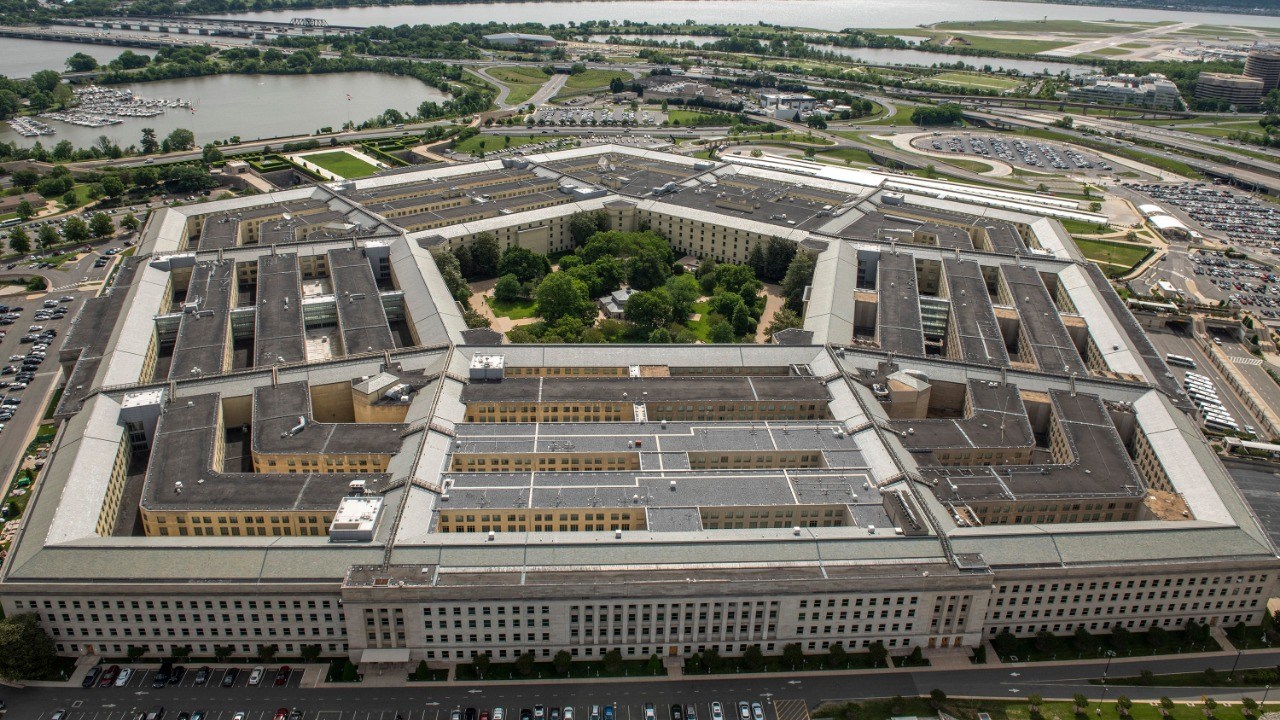
Hackers reportedly exploited a software vulnerability inside the United States Air Force Cloud One platform, leaving the military unable to determine the full extent of the breach weeks after its discovery. According to Reuters, the intrusion into the flagship cloud computing system potentially jeopardizes sensitive tactical, personnel, and logistics data. While the breach was uncovered within the past month during a systems upgrade, officials have not identified the perpetrators or confirmed if any information was stolen.
The Cloud One platform acts as a central hub for various Air Force IT needs. It manages essential functions like personnel records, pay systems, logistics, and maintenance. The Guardian reports that the platform relies on services from four major cloud managers, which are Microsoft, Amazon, Oracle, and Alphabet.
The system is also used for command and control operations. It supports the theater integrated combat munitions system, known as TICMS, which tracks and manages munitions inventories across more than 200 locations worldwide. One source familiar with the situation noted, “A breach here is a big deal.”
The intruders are said to have used a software flaw to gain access to the system
One source suggested that, in theory, the attackers could leverage this access to check the operational status of military aircraft or monitor the movement of spare parts. The breach caused noticeable disruption across the platform. Despite the severity of these claims, the Air Force has maintained a policy of silence regarding the incident.
A representative stated that the branch “does not comment on the security posture, vulnerabilities or operational status of specific networks and systems. We continuously take prudent measures to protect Department (of the Air Force) information, systems and mission capabilities”.
This incident is the latest in a series of electronic break-ins targeting federal agencies. Recent reports indicate that hackers have breached systems at the FBI, the Department of Homeland Security, the Treasury Department, and two separate spy agencies. In a separate incident at the Pentagon, hackers accessed a system known as the defense manpower data center.
This specific breach affected 2.76 million living people and 294,000 deceased individuals, per Military.com. Exposed information included social security numbers, names, birthdates, contact information, and military occupational specialties.
Earlier this week, hackers also breached a system utilized by the CIA and the ODNI
This affected system functions as an intelligence analysis tool that scans unclassified and open-source material for insights. While the CIA declined to comment on that event, an Office of the Director of National Intelligence (ODNI) representative told Bloomberg that “there have been no disruptions to critical capabilities or classified systems”.
Furthermore, the Treasury Department’s Financial Crimes Enforcement Network recently confirmed that it is investigating an intrusion into some of its online systems. These security challenges occur alongside a wider pattern of technical instability across government infrastructure. Federal agencies have experienced several high-profile outages that led to public concern regarding potential malicious activity.
Last week, the National Security Agency faced a network outage that disrupted a classified internal network. Earlier this month, the Federal Aviation Administration issued a rare nationwide ground stop. This event lasted for over four hours and was linked by authorities to a router in Arkansas and a radar site based in Texas.
Director of National Intelligence Jay Clayton recently spoke about the necessity of updating aging federal infrastructure. According to The Hill, he warned that the public should expect further challenges as these systems undergo modernization. He also emphasized the need for significant financial commitment to improve current capabilities.
“The American people should be prepared for a great deal of investment in upgrading our systems,” he said. “They should be prepared for investment in cybersecurity, and they should be prepared that any time there is a step change in technology, a step change in both compute and applications, there will be bumps in the road.”
The government maintains a complex framework for handling such breaches
When such incidents occur, agencies often work to identify the entry point and the scope of data exposure. Laws regarding data privacy and federal information security often dictate how these investigations proceed. For instance, the protection of personnel information like social security numbers is a high priority for the Department of Defense. These regulations often require notification procedures and strict containment protocols to prevent further unauthorized access.
The reliance on commercial cloud providers adds a layer of complexity to these security efforts. While companies like Microsoft and Amazon provide tools to secure data, the responsibility for system integrity remains a shared task between the private sector and the military. The current situation with Cloud One highlights the risks associated with centralizing critical logistics and munitions data.
Have a tip we should know? [email protected]
Follow The Mary Sue: