Trump ally Brendan Carr ordered an early license review for ABC after a Jimmy Kimmel joke. Now, a judge intervenes to stop the FCC in its tracks
A win for free speech.
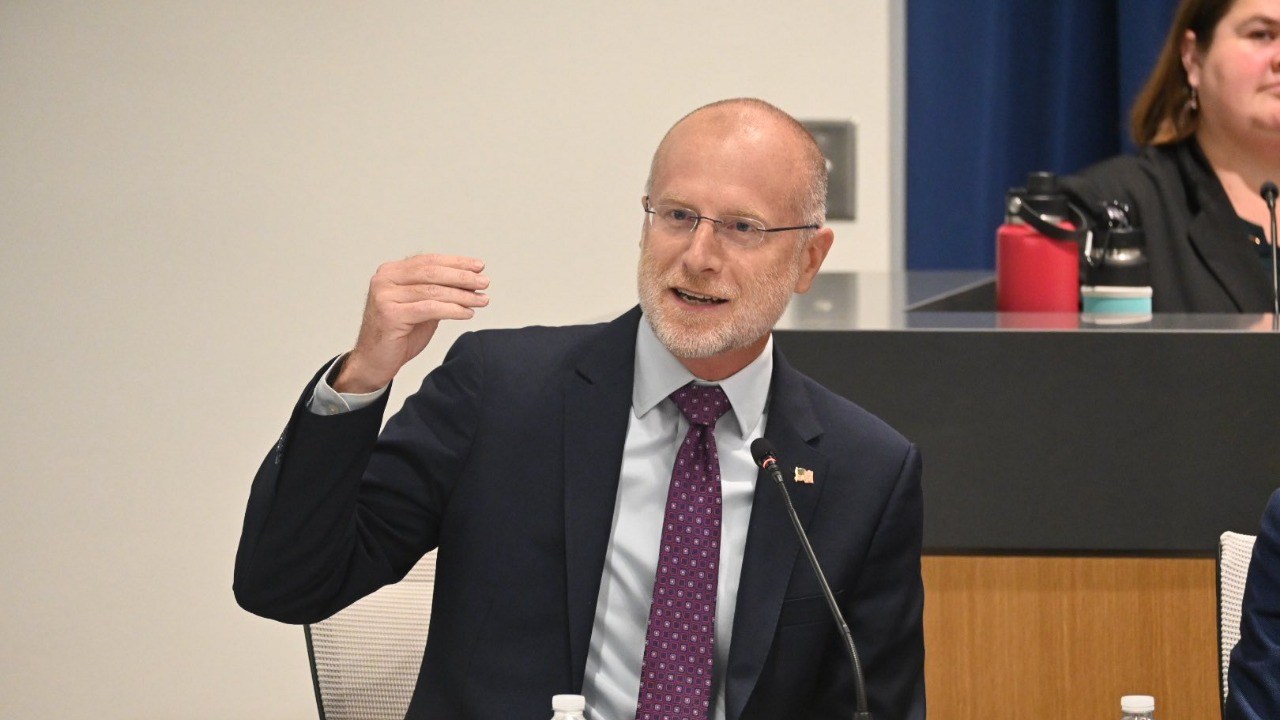
A federal judge has officially blocked the Federal Communications Commission (FCC) from moving forward with an early license review for ABC, finding that the agency likely violated the network’s First Amendment rights. According to the Associated Press, U.S. District Judge Loren AliKhan issued a temporary restraining order and a preliminary injunction on Wednesday, November 25, 2026, effectively stopping the FCC in its tracks.
This legal move comes after a long period of tension between the network and the administration of President Donald Trump. The core of the dispute involves FCC Commissioner Brendan Carr, a Trump ally who ordered an early review of eight ABC-owned station licenses back in April. This order arrived just one day after Trump expressed anger over a joke made by late-night host Jimmy Kimmel regarding First Lady Melania Trump.
The timing was not lost on the court. In her 45-page order, Judge AliKhan noted that it was no coincidence that the president criticized the skit on social media and the commission initiated the early proceedings the very next day. “This is not a close case,” AliKhan wrote in her ruling. She pointed to a pattern of behavior where the network faced a campaign of retaliation for its programming choices.
The judge emphasized that ABC had detailed how this pressure amounted to an irreparable injury
By forcing these stations to submit renewal applications years ahead of schedule, the FCC created an existential threat that could have forced the network to pull its largest stations off the air. The FCC hadn’t given any indication of when the review would end. “As a result, Plaintiffs could very well have to cower under the cloud of the existential threat of non-renewal – and whatever fresh demands and resulting chill may ensue,” Judge AliKhan stated.
ABC and its parent company, Disney, filed their lawsuit in August. They argued that the FCC was weaponizing its regulatory power to punish the network for editorial decisions the administration disliked. The network also faced pressure regarding the morning talk show The View, which Carr had targeted for allegedly failing to follow equal-time rules.
As a result of this mounting pressure, producers for The View stopped inviting political candidates as guests during a high-stakes election season. Executives also livestreamed a July address by Trump on election interference, admitting they would not have done so otherwise if not for the threat hanging over their licenses.
ABC’s second request was denied
While the judge granted the injunction regarding the license review, she did deny a second request from ABC. The network had asked the court to block the FCC from taking any formal or informal actions to coerce or threaten sanctions in the future.
According to the Los Angeles Times, AliKhan explained that she could not issue a blanket injunction for potential future threats that had not yet been defined. She stated the network had not specified what those future threats might look like beyond the specific license renewal proceedings currently at hand.
The FCC has pushed back against the ruling, with a spokesperson stating, “Granting Disney’s motion is wrong on the facts and wrong on the law – as controlling Supreme Court precedent makes clear. The FCC looks forward to prevailing in full on this matter. We will continue to use our lawful authority to hold broadcasters accountable to their public interest obligations.”
Government attorneys had previously urged the court to dismiss the lawsuit entirely. They argued that the network was trying to avoid necessary scrutiny and that the FCC needs to be able to use all the tools at its disposal to investigate whether broadcasters are meeting their statutory duties.
This case is one of many legal battles playing out between the Trump administration and news outlets
It highlights the complex relationship between government regulators and the media. For many legal observers, this ruling serves as a significant check on administrative power. Anna M. Gomez, the lone Democrat on the FCC, praised the decision. She stated that the agency had been using its licensing authority to retaliate against broadcasters for expressing themselves.
The background of this conflict is rooted in years of friction. Trump has frequently targeted ABC, its anchors, and its talk show hosts. In 2024, Disney settled a defamation lawsuit brought by Trump regarding statements made by George Stephanopoulos.
Following his election, Trump’s pick to lead the FCC, Carr, began sending letters to Disney leadership. One letter in March 2025 accused the network of harming public trust. Later that same year, Carr demanded that Disney punish Kimmel for comments made about a right-wing activist, which led to a temporary benching of the host.
The judge found that these events, combined with the president’s own rhetoric, provided robust circumstantial evidence that the network was being targeted. AliKhan noted that the president has set his sights on ABC for several years, starting with questions about how the network maintains its license. That rhetoric has now grown into repeated calls for the commission to strip the network of its ability to broadcast.
Have a tip we should know? [email protected]
Follow The Mary Sue: