


FCC just targeted ‘The View’ for its anti-Trump rants and ABC is calling it a full-blown First Amendment attack
Infringing on free speech territory.
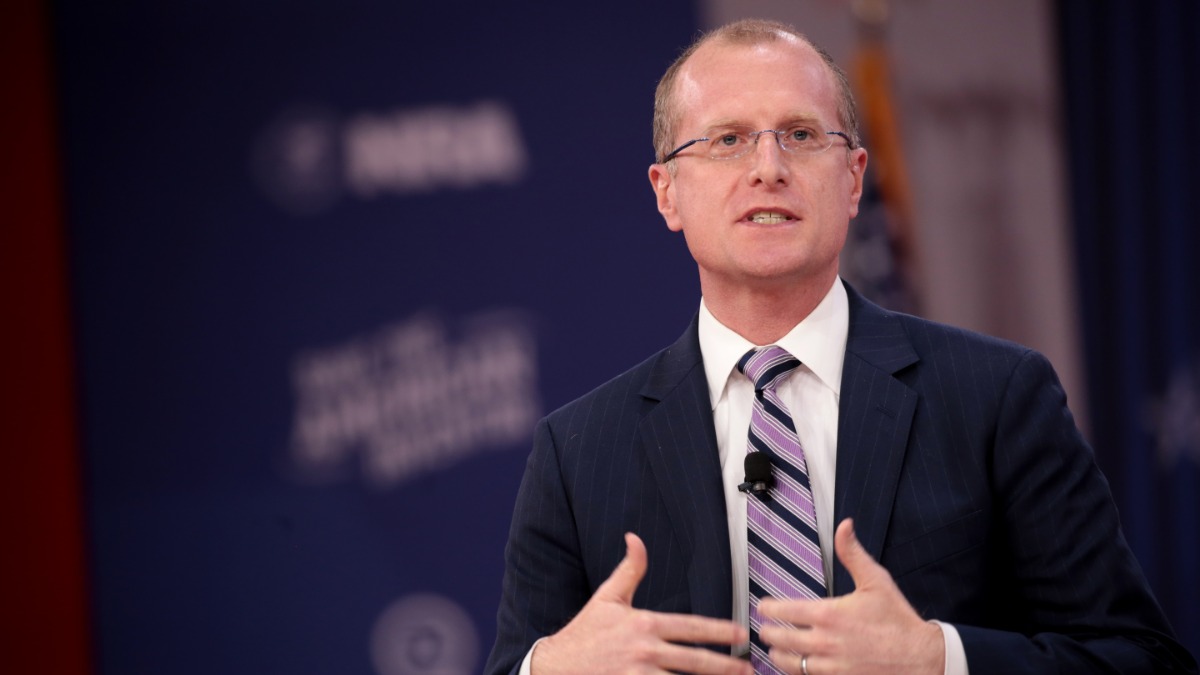
The Federal Communications Commission (FCC) just went after The View for its anti-Trump segments, and ABC is calling it a full-on First Amendment violation. The network filed a 52-page legal petition this week accusing the federal government of creating a “chilling effect” on free speech by investigating whether the daytime talk show broke equal-time rules after hosting a Democratic Senate candidate.
According to NBC, the clash started February when the FCC said it was looking into whether The View violated regulations requiring broadcast stations to give equal airtime to political candidates from the same race. This followed an appearance by James Talarico, who was running for the Democratic nomination for the U.S. Senate in Texas and won the primary. FCC Chairman Brendan Carr, a Trump appointee said the agency was “looking into” the matter.
In its filing, ABC argued that The View has operated under a long-standing exemption to the equal-time rule for more than 20 years. The show, ABC insisted, is a “bona fide” news program, meaning it shouldn’t be subject to the same regulations as traditional political coverage. The network’s lawyers called the FCC’s move “unprecedented” and “beyond the Commission’s authority,” warning it could disrupt decades of settled law and discourage protected speech.
The commission has pushed back
It said the equal-time law exists to “encourage more speech and empower voters.” The agency added it would review Disney’s claim that The View qualifies as a news program and is therefore exempt from the rules. But ABC’s filing made it clear the network sees this as retaliation.
The document pointed out that the FCC hasn’t opened similar investigations into conservative talk shows like Mark Levin’s or Glenn Beck’s, despite their frequent political commentary. That disparity, ABC argued, raises “serious concerns about viewpoint discrimination and retaliatory targeting.”
This isn’t the first time the Trump-era FCC has tangled with broadcasters over political content. According to the NY Post, in February, the agency also denied censoring a Stephen Colbert interview with James Talarico. Colbert had planned to air the segment on The Late Show, but CBS lawyers warned it could trigger equal-time requirements for other candidates in the race.
Colbert ended up posting the interview on YouTube, where it racked up over 6 million views. He accused the Trump administration of trying to “silence anyone who says anything bad about Trump on TV.”
Carr dismissed Colbert’s claims, saying the late-night host had options – like airing interviews with competing candidates or not broadcasting the segment in Texas at all. “There was no censorship here at all,” Carr said. “Every single broadcaster in this country has an obligation to be responsible for the programming that they choose to air.” He also took a swipe at Colbert, suggesting the host was lashing out because his “limelight is fading.”
The FCC’s stance on talk shows has shifted under Carr’s leadership
In January, the agency issued new guidance stating that daytime and late-night talk shows no longer qualify as “bona fide” news programs exempt from equal-time rules. That change upended decades of precedent, and Democratic FCC Commissioner Anna Gomez slammed it as an overreach. “The FCC has no lawful authority to pressure broadcasters for political purposes or to create a climate that chills free expression,” she said at the time.
Gomez is now praising ABC for pushing back. In a post on X, she wrote that Disney was “choosing courage over capitulation” and predicted the FCC’s days as a “paper tiger” were numbered. “What the public will remember,” she added, “is who complied in advance and who fought back.”
The timing of the FCC’s actions hasn’t gone unnoticed. Just a week before ABC filed its petition, the agency announced it was launching an early review of the eight broadcast licenses owned and operated by ABC, including flagship stations in Los Angeles and New York. Carr insisted the move wasn’t about speech but rather the agency’s probe into Disney’s diversity, equity, and inclusion (DEI) practices. It is also investigating DEI policies at Comcast, NBC’s parent company.
Still, the optics are hard to ignore
The View has been a frequent target of Trump’s criticism, particularly hosts like Whoopi Goldberg and Joy Behar, who regularly call out the administration. Trump has publicly blasted the show and pressured Carr to take action against broadcasters he accuses of biased coverage. ABC’s filing made sure to highlight that dynamic, framing the FCC’s actions as part of a broader pattern of retaliation against networks that criticize the president.
For viewers, the stakes are clear. If the FCC’s interpretation of the equal-time rule stands, it could force talk shows to either avoid political interviews altogether or scramble to give airtime to every candidate in a race, even those with no realistic shot at winning. That’s a logistical nightmare for producers, and it could make political discussions on daytime TV a lot less spontaneous.
The network’s legal team didn’t hold back in its filing. “Some may dislike certain – or even most – of the viewpoints expressed on The View or similar shows,” ABC wrote. “Such dislike, however, cannot justify using regulatory processes to restrict those views.” The message was unmistakable: the FCC’s investigation isn’t just about one show or one interview. It’s about setting a precedent that could reshape how political speech is regulated on television.
(Featured image: Gage Skidmore)
Have a tip we should know? [email protected]
Follow The Mary Sue:
