


Farmers Might Finally Get To Bypass the Packers, Yet Trump’s Move To Break the Meat Monopoly Ignores a Massive Problem on the Horizon
A huge risk.
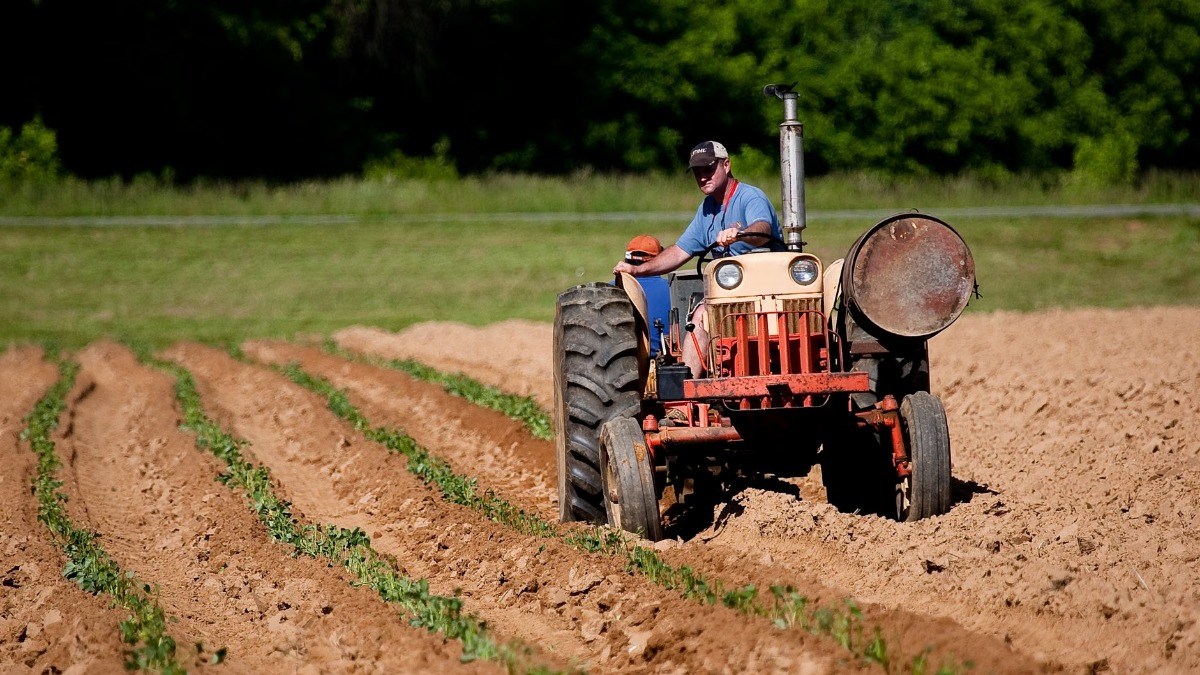
Donald Trump announced on Friday, August 28, 2026, that he is moving to allow American farmers and ranchers to process their own food. According to The Hill, this initiative is aimed directly at what he described as a nasty meat monopoly within the nation’s top food processors. The president shared his intentions through a post on Truth Social, where he stated that he is authorizing legal documents to be drawn up to grant these producers the right to process their own goods.
He emphasized that this action should move quickly to address a market he views as fundamentally uncompetitive. The core issue here is the extreme consolidation in the meat processing industry. Currently, four major companies control approximately 85% of all meat processing in the United States. According to Reuters, these firms are Cargill, Tyson Foods, JBS USA, and National Beef Packing Co.
Many farmers and ranching groups have argued for years that this level of control makes it incredibly difficult for small producers to remain profitable. Because there are so few companies competing to purchase their livestock, producers are often forced to transport their animals to distant USDA-inspected facilities, which can be an expensive and logistically draining process.
Trump noted that farmers and ranchers have always been a priority for him
He wrote, “There are, essentially, 4 of them, a very non competitive number, and they make life miserable for our wonderful Farmers and Ranchers, and I can’t let that happen, can I?” He added that because much of the ownership of these major processors is based outside of the United States, he feels it is time to break that power. By giving producers the ability to handle their own processing, the administration hopes to bypass the bottleneck created by these corporations.
The conversation regarding these regulations gained momentum recently when Trump appeared on the Glenn Beck program. Beck, who is a rancher himself, suggested to the president that existing Department of Agriculture regulations are actively preventing ranchers from processing their own animals. This forces them to rely exclusively on the highly consolidated industry that has dominated the sector for decades.
Following this discussion, Agriculture Secretary Brooke Rollins posted on X that there would be big announcements related to beef processing starting on Monday. These updates are expected to include expanding the ability of ranchers to sell products across state lines, providing additional support for smaller meat processors, and rescinding what the administration calls outdated guidance.
Significant opposition and concerns regarding food safety loom large
The Meat Institute, which represents meatpacking companies, has already voiced its disapproval of the plan. They argue that allowing ranchers to process their own meat could put the public at risk.
The group stated, “Allowing uninspected meat to be sold to unwitting consumers is the wrong approach, and risks undermining this country’s reputation for producing the safest meat products in the world.” They further warned that if the goal is to lower beef prices for American families, lowering food safety standards is the wrong response.
Even within the ranching community, there are mixed reactions. While the National Cattlemen’s Beef Association has expressed support for creating more opportunities for small processors and eliminating unnecessary regulations, they have also cautioned the president against weakening existing meat inspection standards.
The current system relies on the USDA’s Food Safety and Inspection Service, which places inspectors at plants to ensure that all products meet federal standards. Generally, federal law prohibits the sale of meat from animals that have been slaughtered and processed on-farm, with only a few specific exceptions.
The whole issue raises concerns about the impact on the average shopper
There is also a broader economic question regarding whether this policy will actually lower prices for the average shopper. Some industry experts, like David Anderson, an agricultural economist at Texas A&M University, believe that the impact on competition will be minimal.
He noted that the volume of on-farm slaughter would be so small that it likely would not change the broader market dynamics at all. Furthermore, critics point out that even if costs for farmers decrease, those savings might not reach the retail level because large packers and retailers often capture the margin.
This is a complicated time for the administration
Trump is currently facing backlash from various congressional Republicans and ranchers regarding a separate plan to import 300,000 metric tons of tariff-free foreign ground beef over a 90-day period. Critics argue that introducing this beef at a 25% discount puts significant downward pressure on the prices domestic ranches can charge for their own products.
As the country navigates a 75-year low in supply and rising cattle costs, the administration is attempting to balance these competing interests while preparing for upcoming midterm elections. While the president’s latest order aims to empower the individual farmer, the scale of the meat processing monopoly suggests that the road to a more competitive market will be long and technically complex.
White House spokeswoman Anna Kelly confirmed that the administration is drafting several policy actions to further support those who feed the world, but for now, the industry remains in a state of uncertainty as these new rules begin to take shape.
(Featured image: Mark Stebnicki on Pexels.)
Have a tip we should know? [email protected]
Follow The Mary Sue:
