


Arizona man orders a $32 Uber ride, then discovers his friend was charged $14 less for the same trip: ‘I need answers because that’s not right’
Uber is one of the companies being questioned by the FTC.
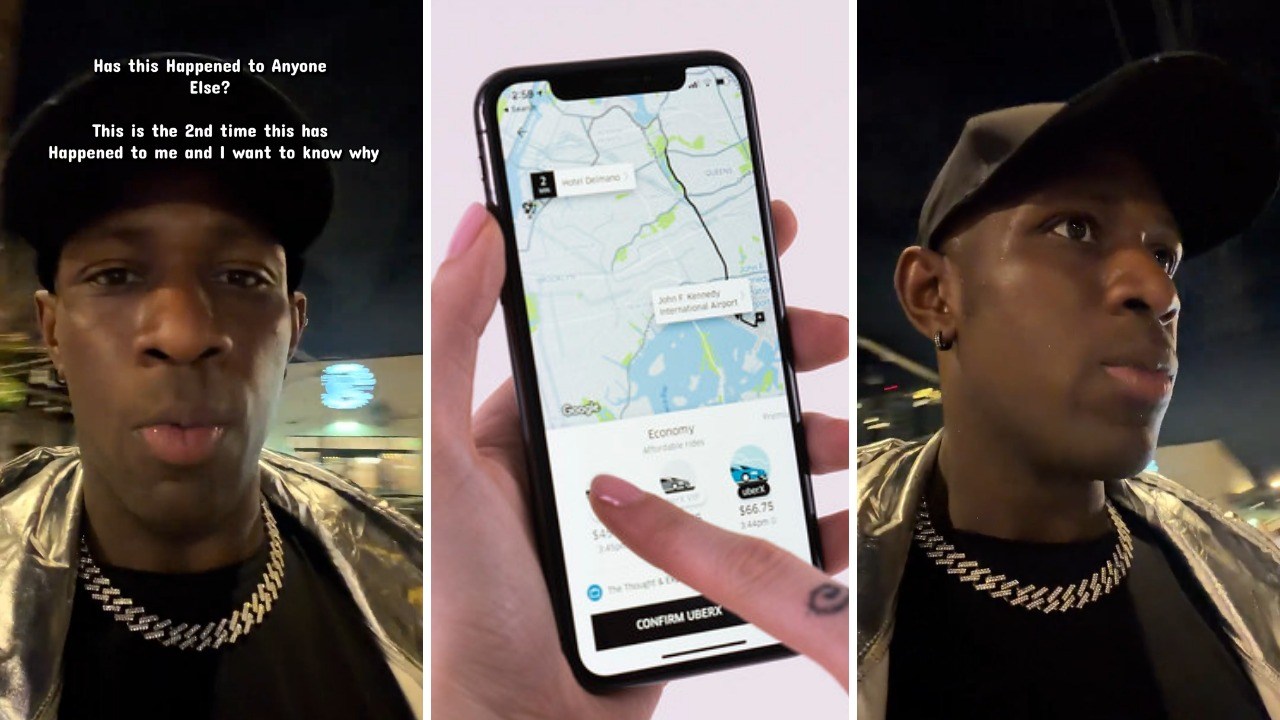
Ridesharing apps have become the most convenient choice for people seeking a fixed-fare way to get from point A to point B, and can sometimes provide a more affordable option. However, one rider in Arizona was left questioning the pricing scheme of Uber after learning that his friend was allegedly charged a lower fare for the exact same trip.
“Okay, real talk. What is going on?” @crownedroyal.t asked viewers in a video shared on TikTok. According to crownedroyal.t, he and his friend, who were together at the time, booked separate Uber rides to the same destination. Although he did not specify the drop-off location, he claimed he was quoted $32 for his trip, while his friend was only charged $18.
“It’s not funny. What is that?” crownedroyal.t said. The $14 price difference left him puzzled, prompting questions about how Uber determines its fares. His friend suggested the price might be based on a driver’s rating of the rider, but crownedroyal.t dismissed this, noting that his own rating was 4.93 out of five stars in the 10 years he has been using the ridesharing app, compared to his friend’s 4.8.
The app claims to use data points for their pricing
“Why am I being charged more?” crownedroyal.t added. He later addressed Uber in his caption, saying, “Can anyone at @Uber explain this to me? […] This is the 2nd time I’ve done this and it’s charged me the higher rate. We refreshed and it was the same thing. […] I NEED ANSWERS because that’s not right.”
According to Uber, the app uses data points to make upfront fare calculations, typically considering the estimated trip time and distance from the pick-up to drop-off locations. Other considerations include “demand patterns” for the route at the time of booking, as well as any additional charges such as surcharges, applicable tolls, taxes, and other fees.
Uber, however, has faced accusations of using riders’ personal information to determine how much they should pay for their trips. One commenter on crownedroyal.t’s video wrote, “They have your data they know how much you make and how much you’re willing to pay for services.”
Uber faces probe by FTC over alleged personalized pricing
Personalized pricing, also known as “surveillance pricing,” is a strategy companies use wherein they charge customers different prices for the same product or service based on consumer preferences, spending habits, and personal data like income. This approach has left many U.S. consumers feeling frustrated and concerned about fairness, as it’s allegedly not an isolated case in the ridesharing community.
USA Today reported that a 2026 investigation by Consumer Reports found Uber and Lyft riders being charged different prices for the same trip when they tried booking within minutes of each other, with the price difference averaging 42.4%. On the other hand, 12.4% of the advertised discounts on the apps are supposedly based on increased original prices. Uber and Lyft reportedly admitted to using personal data for promotions and discounts, but denied using it for determining base fares.
Uber, however, is one of nine major companies being investigated by the Federal Trade Commission (FTC) and has been given 45 days to provide detailed information on its pricing practices, according to a press release on Wednesday, Oct. 28. The FTC’s investigation will examine whether the company uses personal information as a primary factor in pricing, and whether this practice impacts the earnings of workers, such as those at ridesharing and food delivery companies.
“Consumers deserve to know whether companies use their web surfing habits or other personal data to estimate the highest price they can charge each consumer,” FTC Chairman Andrew Ferguson said. “Workers also deserve to know if their compensation is affected by how companies use their personal data.”
Have a tip we should know? [email protected]
Follow The Mary Sue:
