


78-year-old woman intentionally blocks a delivery robot, then police arrive to arrest her: ‘I wasn’t impeding any persons. I was impeding a machine’
Pennsylvania gives delivery robots pedestrian status, but they still have to yield to people.
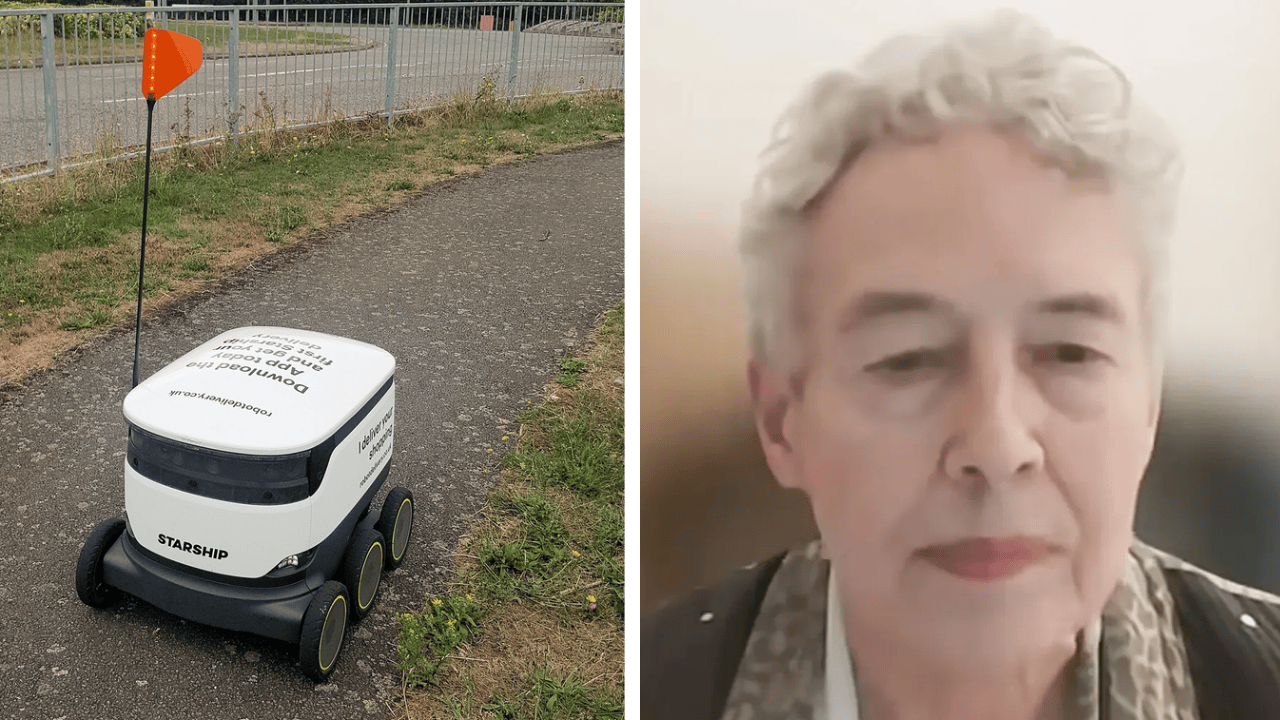
A 78-year-old Philadelphia woman was arrested and cited for disorderly conduct after intentionally blocking a food delivery robot and refusing police orders to move. Carolyn Marvin says she was protesting delivery robots replacing human workers when officers intervened near Reading Terminal Market on Oct. 14.
Marvin told CNN she hadn’t expected to be arrested because she believed she was leaving people room to pass. “I wasn’t impeding any persons. I was impeding a machine,” she said.
Why was she blocking the robot?
Marvin told CNN her protests address three concerns. Delivery workers losing income, robots creating sidewalk hazards and onboard cameras raising privacy issues. She said she typically delays a robot for 10 to 15 minutes when she encounters one and has time to stop.
She had been doing this for months before her arrest, according to PhillyVoice. On Oct. 14, she was returning from a flu shot appointment when she spotted an Uber Eats robot and stood in its path. Police told the outlet they responded to a report of criminal mischief on Filbert Street around 1:16 p.m.
Marvin said she takes care to leave room for human pedestrians and uses the encounters to discuss her concerns with passersby. She told PhillyVoice that reactions vary. Some people support her, while others object to delaying food someone has paid to receive.
She said she plans to contest the disorderly conduct citation on First Amendment grounds. Asked by 6abc whether she would continue protesting, Marvin answered, “I do. Why not?”
Pennsylvania classifies delivery robots as pedestrians
Pennsylvania classifies delivery robots as pedestrians under its vehicle code, giving them corresponding rights to use public spaces. But according to PennDOT, the machines must yield to people walking and cyclists in pedestrian areas, including sidewalks and crosswalks.
The rules allow delivery robots on sidewalks while requiring them to yield to people. Marvin was intentionally stopping the machine as a protest, and police said she refused repeated orders to let it pass. Whether that protest is protected by the First Amendment is the argument she plans to raise in contesting her citation.
The state also sets operating limits. Delivery devices may weigh up to 550 pounds without cargo and travel at up to 12 mph in pedestrian areas. Those are statewide maximums, rather than the specifications of the particular robot Marvin blocked.
Companies must obtain PennDOT authorization before operating the devices. During their initial operating phase, a human operator must remain within 30 feet and maintain sight of the machine. Devices that advance to the second phase must be monitored remotely, with an operator able to take control when necessary.
Have a tip we should know? [email protected]
Follow The Mary Sue:
