


LAIKA CEO Travis Knight says AI “has no soul” and calls generative AI theft
“I’m not embracing it at all,” the Laika CEO says of generative AI.
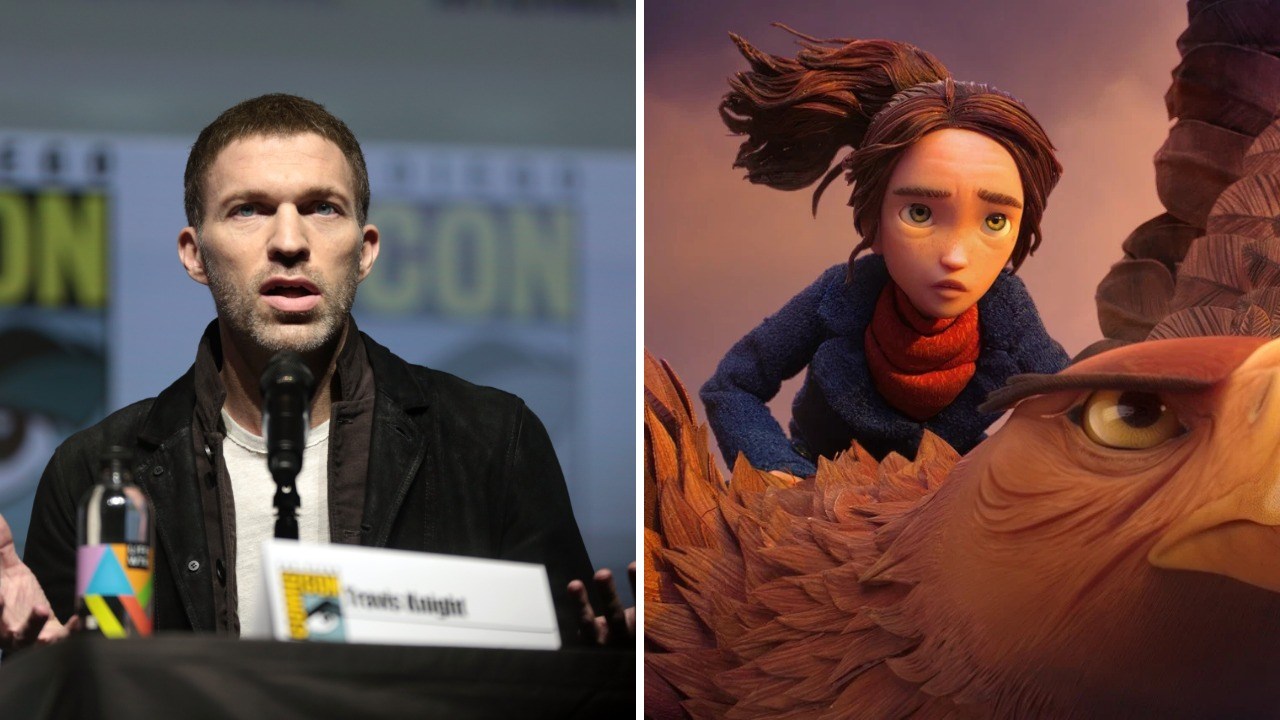
As studios across Hollywood keep flirting with generative AI, LAIKA CEO Travis Knight is shutting the door firmly. In recent interviews, the head of the stop-motion powerhouse made it clear where he stands: he is not here for it.
Knight’s comments come as the debate over AI in creative fields grows louder, with artists, writers, and animators raising alarms about what the technology means for their livelihoods. For a studio built on painstaking handmade craft, the question isn’t theoretical but personal.
And Knight did not hold back. In his own words, generative AI is “plagiarism” and “theft,” a stance that lands with extra weight coming from the leader of a studio whose entire identity is built on human hands. Stop-motion animators often intentionally leave their literal fingerprints on the puppets and sets, which means the people behind the film are quite literally visible in every frame.
A Machine Has Never Fallen in Love
Speaking with The New York Times, Knight was asked how stop-motion, a craft that demands enormous patience and physical artistry, squares with generative AI. His answer was blunt. He argued that the technology ingests the entire history of human creativity and spits it back out as if it were something new.
He didn’t deny the technical achievement, saying you have to admire how sophisticated it is. But admiration only goes so far. “It has no soul,” he said, adding that a machine doesn’t know what it feels like to lose someone or to fall in love. In his view, AI simply has no humanity.
A studio that leaves its mark (literally)
Knight isn’t anti-technology, and he was careful to make that distinction when he spoke with Variety at AFI Fest’s opening night U.S. premiere of Wildwood. “I’m not embracing it at all,” he said, but he was quick to point out that LAIKA uses technology constantly.
To Knight, a pencil is technology. So is a paintbrush. So is a 3D printer. The key is who holds the tool. Technology is useful, he explained, when it’s in the hands of artists who can amplify their voices. The problem, he said, begins when it takes the artist’s place. A computer can’t speak about humanity, he argued, because it doesn’t know what it feels like.
LAIKA has spent years making films like Coraline, Kubo and the Two Strings, and Missing Link, all of which rely on thousands of hand-crafted details that audiences can feel on screen. Every puppet, set, and frame comes from a person who made a choice.
Where the AI debate goes from here
Knight’s comments land in the middle of an industry-wide reckoning. Generative AI was one of the central issues in the 2023 Hollywood strikes, when writers and actors fought for protections against studios using the technology to replace or imitate their work. Those fights didn’t end the debate. They just pushed it into the open.
Knight isn’t the only filmmaker drawing a hard line. Guillermo del Toro, who has his own stop-motion credentials thanks to Guillermo del Toro’s Pinocchio, was equally unequivocal in an interview with NPR. “AI, particularly generative AI, I am not interested, nor will I ever be interested,” he said. The director, who was 61 at the time, added that he hopes to stay uninterested “until I croak.” When someone emailed to ask his stance on the technology, his answer was short: “I’d rather die.”
Since then, the questions have only multiplied. Artists have pointed out that many AI tools were trained on enormous amounts of existing work, often without permission or payment, which is exactly the “theft” Knight describes. Meanwhile, some studios see AI as a way to speed up production and cut costs, and that promise of efficiency is hard for a bottom line to ignore.
LAIKA is a studio where a single second of finished film can take days of painstaking work, so the idea of a machine generating something similar in moments is a direct challenge to its entire philosophy. Knight is betting that audiences can feel the difference between something made by hand and something assembled from data.
Of course, the AI debate is far from settled, and plenty of studios are still figuring out where they stand. But the message from these two is hard to miss — tools are welcome, replacements are not. As the industry keeps wrestling with that line, voices like theirs will only matter more.
Have a tip we should know? [email protected]
Follow The Mary Sue:
