


Woman recalls being friends with a girl who allegedly casted spells on bullies to make them nicer, then returned her lost necklace to prove their bond
Getting her necklace back didn’t explain how her friend had it.
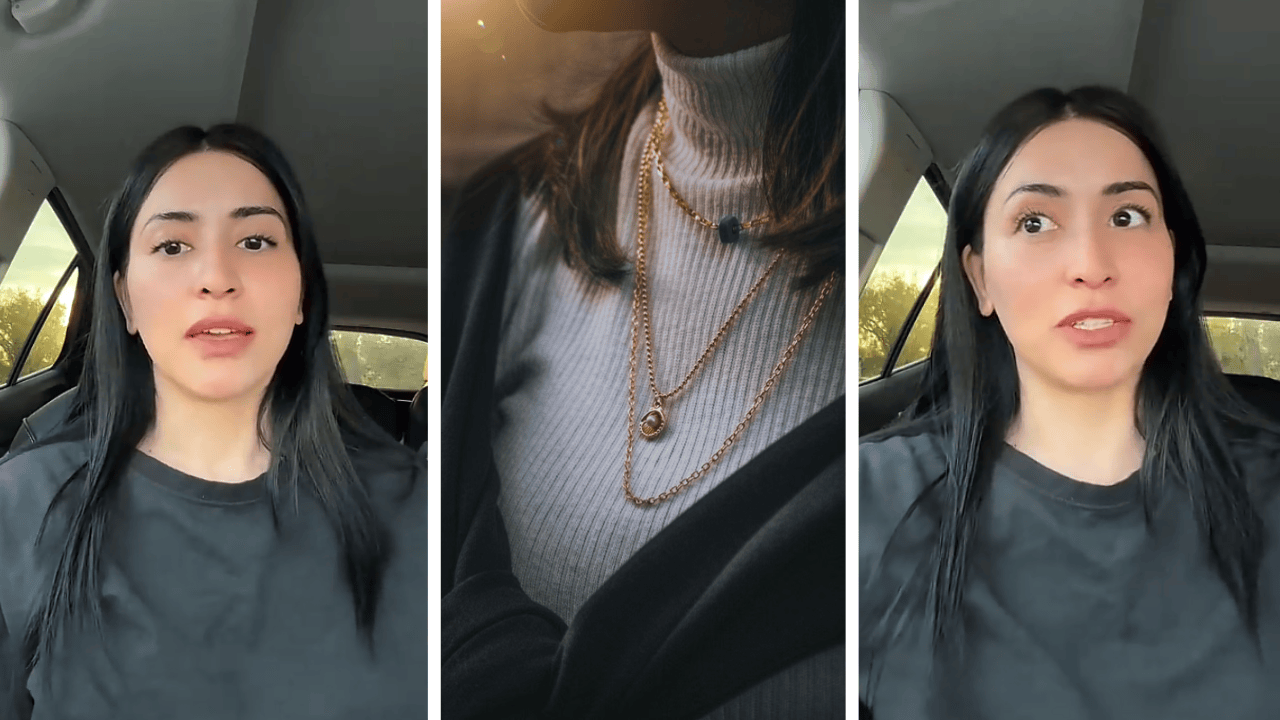
A woman says her seventh-grade friend returned a necklace she had spent weeks searching for after claiming she collected people’s belongings to cast spells on them. By then, Manila says, she was afraid that ending the friendship could make her a target.
Manila, who posts on TikTok as @manila.333, recalls explaining that her family wanted her to keep her distance. Her friend handed over the necklace and told her, “I just want you to feel safe because I would never do that to you.”
Her friend had something Manila had been searching for, giving her another reason to worry about the claims. The idea that a personal belonging can be used to influence its owner appears in historical accounts of magic, though the necklace’s return does not prove that it was used in a spell.
She asked whether her friend would use a spell against her
Manila says her friend told her she took people’s belongings to use in spells. With her own necklace missing for weeks, Manila wanted to know whether that included her.
“You’re really sweet,” she recalls the girl saying. “I don’t think I would ever do anything like that to you.”
“I don’t think?” Manila remembers asking. Her friend’s answer hadn’t reassured her.
By then, she had heard the girl claim she was responsible for bullies missing weeks of school and returning nicer to her. Manila says her friend described making them go through what they had put others through. The girl also claimed responsibility for a teacher’s absence, saying the teacher played favorites and hadn’t stepped in.
Her sister advised her to stop going to the girl’s house and ease out of the friendship. As an explanation, she suggested mentioning their Muslim family’s objections to witchcraft.
But Manila worried about how her friend would respond. The next day, she says, she was shaking as she explained what she had told her sister. When the girl asked for her sister’s name, Manila made one up.
Her friend said she knew Manila was lying. Telling her, “You don’t have to be my friend.”
Manila said she still wanted to be friends. She just didn’t want to watch or take part in any spells. After an uncomfortable silence, she says, the girl handed back her missing necklace.
Why would someone’s belongings matter in a spell?
Why would her friend supposedly need someone’s belongings? In some magical beliefs, an item that has touched a person is thought to remain connected to them, even after it leaves their possession. Someone could then supposedly use that object to affect its owner.
Anthropologists call this “contagious magic.” In The International Encyclopedia of Anthropology, scholar Jesper Sørensen explains the idea using clothing and nail clippings as examples. The term comes from James George Frazer’s framework of sympathetic magic, which included beliefs about objects retaining a connection through contact.
Under that belief, the necklace would matter because it belonged to Manila and had been in contact with her. Though, she doesn’t say where her friend learned about spells or whether her claims came from a particular tradition.
People have also worn jewelry hoping it would protect them. Writing for London’s Foundling Museum, historian Owen Davies describes children in eighteenth-century Britain wearing red coral necklaces, bracelets and pendants to ward off disease. One such necklace survives in the museum’s collection.
A necklace, then, could be treated as protection or as a link to its wearer, depending on the belief involved. In Manila’s case, she says her friend returned it with a promise that she wouldn’t hurt her. How the girl got it in the first place is still unexplained.
Have a tip we should know? [email protected]
Follow The Mary Sue:
