



Six Belugas Finally Escaped Marineland’s Death Threat, but Their Move to US Tanks Is Sparking a New War Over Their Future
Band-aid on a bullet hole?
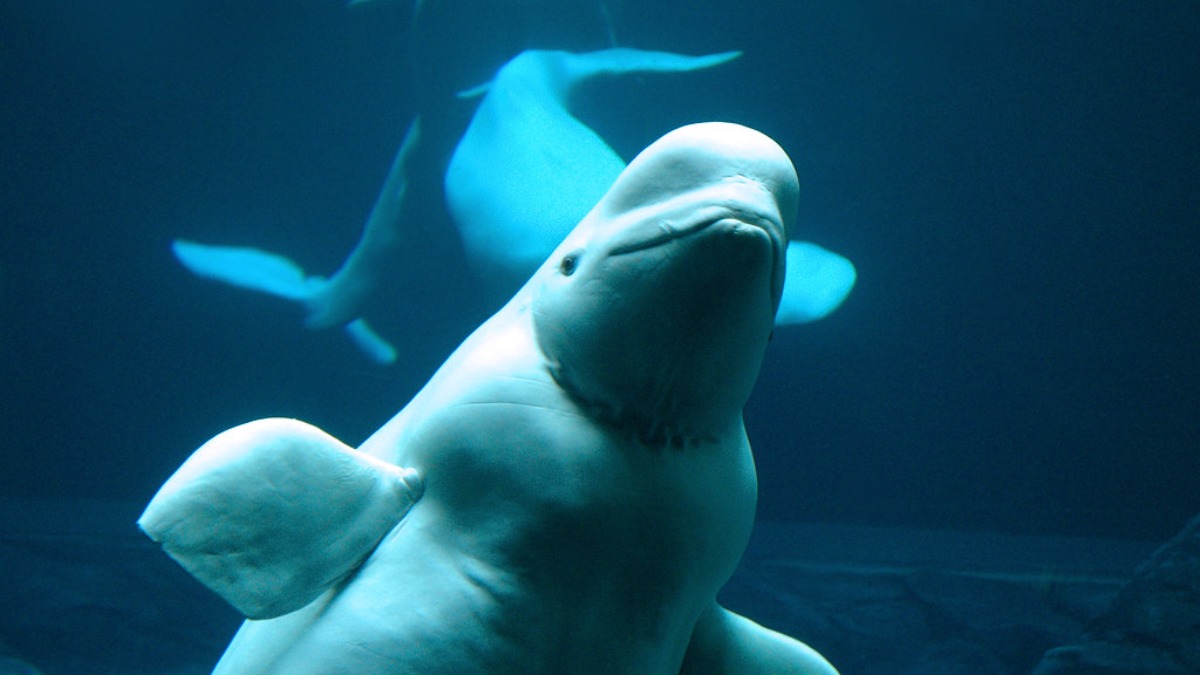
Six beluga whales have finally escaped Marineland’s death threat, but their move to U.S. aquariums is already sparking a new battle over their future. After years of controversy, legal fights, and a shocking ultimatum from the Canadian marine park, the belugas were airlifted this week to facilities in Chicago and San Antonio. While advocates are relieved the animals are no longer at risk of euthanasia, the debate over whether their new homes are truly better continues.
The whales’ departure from Marineland marks the end of a long, ugly chapter for the Niagara Falls park. According to The Guardian, Marineland, which operated from the early 1960s until this year, had one of the largest captive whale populations in the world. But reports of poor conditions, dwindling visitors, and a 2019 federal law banning the captivity and breeding of whales and dolphins pushed the park into a downward spiral.
By 2025, Marineland had threatened to kill its remaining 30 belugas if the Canadian government didn’t step in with financial support. That ultimatum forced a deal to rehome the whales to US aquariums and one in Spain. On Monday, July 20, 2026, the first six belugas – Sierra, Acadia, Osiris, Lillooet, Bertie Botts, and Frankie – were lifted out of their tanks in slings and flown to their new homes.
Is the move too little, too late?
Four arrived at Chicago’s Shedd Aquarium, while the other two were transported to SeaWorld in San Antonio. Shedd Aquarium called the move a “rescue,” promising the whales would have access to better nutrition, cleaner water, and individualized care. But not everyone is convinced this is a happy ending.
Phil Demers, former Marineland trainer turned critic, put it bluntly. “There’s obviously some relief, but it’s hard for me to frankly endorse any of the facilities that these animals are going to,” he said. Demers, who worked at Marineland from 2000 to 2012, acknowledged that US aquariums might have stricter oversight than Canada’s, but he’s still skeptical. “I’m happy for the animals. I just know that the fight for their improved existence will probably last their entire lifetimes.”
The Whale Sanctuary Project said in a press statement that the transfers don’t solve the bigger problem. Lori Marino, the organization’s president and founder, called the move “evidence that governments and the industry waited until there were virtually no good options left.” She pointed out that her group had proposed retiring the whales to a sanctuary back in 2019, but Marineland rejected the idea.
The issue, Dr. Marino argues, is that whales in captivity are treated like commercial assets, shuffled between facilities for breeding and entertainment. “If the only answer governments have when a marine park fails is to move whales to another marine park, then we have not solved the problem,” she said. “We have simply moved it.”
What’s the alternative?
The Whale Sanctuary Project is building a seaside sanctuary in Nova Scotia, offering a more natural environment for whales that can’t return to the wild. The project will be North America’s first seaside sanctuary for retired whales. Until governments prioritize retirement options like this, whales will keep ending up in concrete tanks.
Canada’s 2019 law banning whale captivity was a step forward, but it didn’t address what happens to the animals when parks close. Charles Vinick, the Whale Sanctuary Project’s CEO, put it this way. “Ending captivity is only half of the conversation. Governments also need compassionate, long-term solutions for whales who are already living in captivity.” Without those solutions, he warns, whales will keep facing impossible choices whenever another marine park fails.
The controversy isn’t just happening in Canada. Similar debates are playing out in Europe, where two orcas remain at Marineland Antibes after the park closed in January. The Whale Sanctuary Project is calling for more transparency around the belugas’ transfers, including public disclosure of veterinary assessments and long-term welfare monitoring. They also want assurances that the whales won’t be used for breeding or entertainment in the future.
For now, the six belugas are settling into their new homes
Shedd Aquarium and SeaWorld are touting the move as a rescue, but the reality is more complicated. The whales are no longer at risk of being euthanized, but they’re still in captivity. And with 24 belugas and two dolphins still at Marineland, the fight over their future is far from over.
The bigger question is whether this is really progress. Moving whales from one tank to another might look like a solution, but it doesn’t address the root problem. Whales in captivity face a lifetime of confinement, and until governments and aquariums commit to real retirement options, the cycle will continue. The Whale Sanctuary Project’s work in Nova Scotia offers a glimpse of what could be, but for now, it’s still just a glimpse.
(Featured image: Mike Johnston)
Have a tip we should know? [email protected]
Follow The Mary Sue:
