


The Reality of Robot Supersoldiers Might Be Closer Than You Think
The Future Is Near and Apparently It Includes Humanoid Robot Soldiers
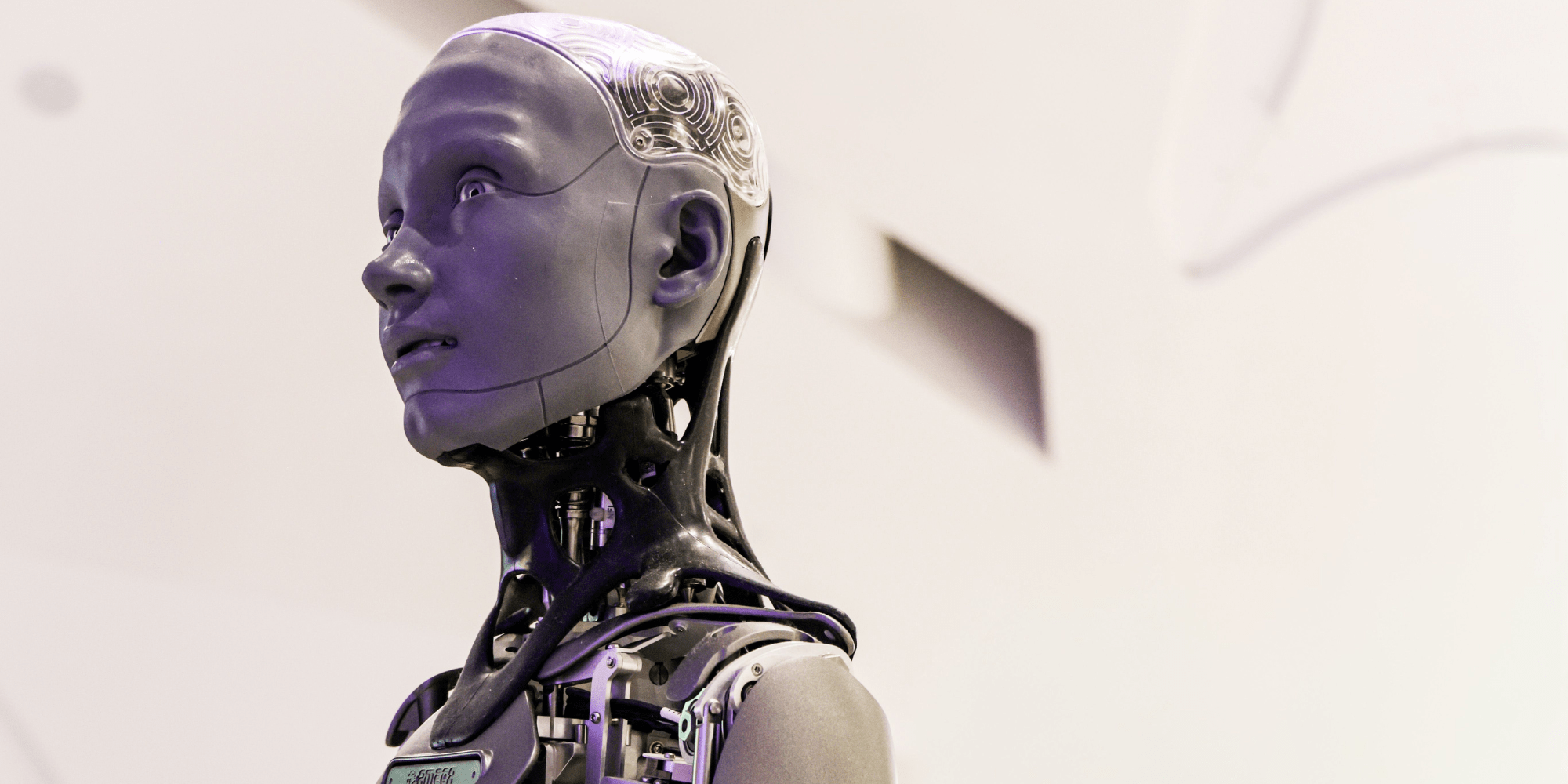
Robot supersoldiers — what could go wrong with those? A lot, if The Terminator taught us anything. Yet, the reality of robot soldiers could be much closer than one might believe.
Sankaet Pathak, the CEO of the startup Foundation Future Industries — founded in 2024 and having ties to Eric Trump — recently told Wired that the company will soon be exploring giving its humanoid robots lethal capabilities. He explained, “We have some kinetic things we’re exploring. We’ll probably unveil something in the next couple of months.”
These upcoming so-called robot supersoldiers won’t only be suitable for combat. Additionally, plans are for them to be beneficial in other areas, such as reconnaissance and logistics. But just what kind of potential timeline are we looking at for humanoids in the military (and is that even a good idea)?
The Military Interest in Humanoids
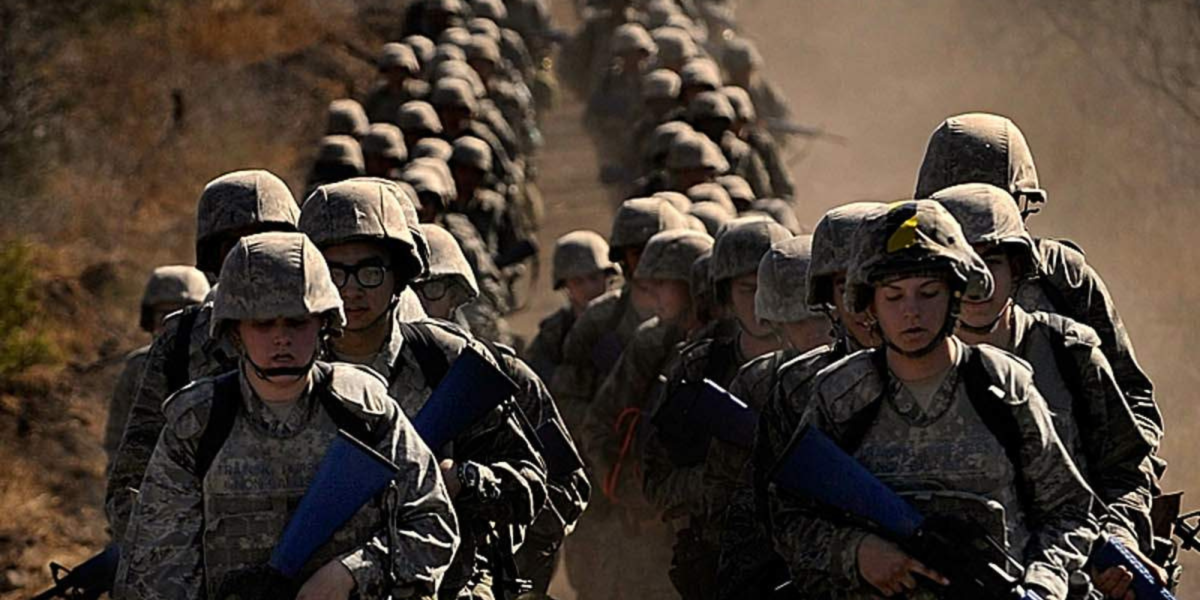
The military’s interest in robot soldiers isn’t new. Between 2012 and 2015, the Defense Advanced Research Projects Agency provided funding for major humanoid contests. Meanwhile, the U.S. Army has a program, xTechHumanoids, that is responsible for funding technological development relevant to creating “militarized humanoid capabilities.”
The U.S. military isn’t the only military interested in acquiring robot soldiers, either. In fact, China revealed a new type of military robot in 2025 that supposedly matches a soldier’s movements (similar in design to the robots in the film Real Steel). Plus, Foundation has already begun testing one of its robots, the Phantom MK-1, in Ukraine.
Part of the interest in these humanoids is that the more battlefield roles they can take on, the less likely a soldier is to be injured or killed. It could be far easier (and safer) for these robots to do such tasks as delivering ammunition and other supplies to troops on the frontline, too. However, engaging in wars with robot soldiers also raises ethical questions around their reliability, whether AI should be allowed to make decisions about deadly force, and ultimately who is responsible if things go wrong.
How Long Could It Be Before the Widespread Use of Robot Soldiers?
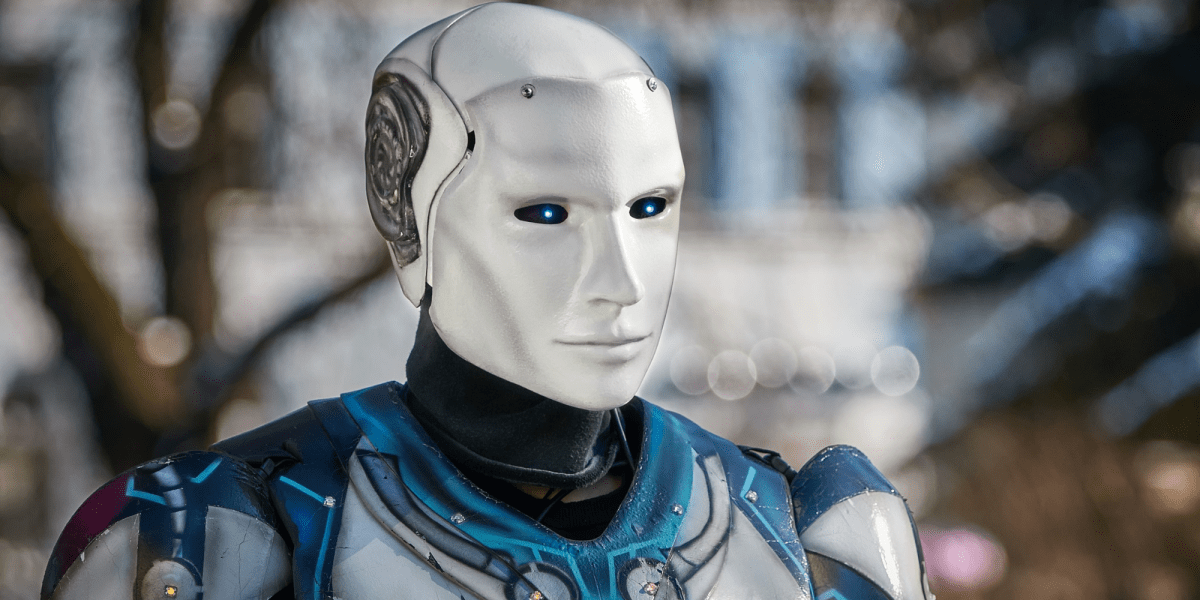
Foundation shared in late 2025 that it has plans to create at least 50,000 of these humanoid soldiers by 2027. However, even though the Foundation has obtained government contracts, suggesting steady funding, others in the robotics industry aren’t so certain about that timeline.
While humanoid robots have made significant advancements in recent years, building a fully autonomous one that can operate in a situation like war may be further off than Foundation believes. Humanoids often have issues with navigation and perception when placed in unfamiliar environments, and getting them to navigate difficult terrain requires much specialized training. Plus, physical manipulation of objects remains a challenge for these kinds of robots.
Robotics pioneer and professor emeritus at MIT, Rodney Brooks, explained to Wired that “going from a solid lab demo to initial deployment in robotics is always at least 10 years.” So, it might be another decade or so before robot supersoldiers could fully take over certain portions of warfare. That’s still not far off, though, so now might be a good time to re-read Robopocalypse. Just in case.
(feature image: Pexels/Magda Ehlers)
Have a tip we should know? [email protected]
Follow The Mary Sue:
