


Michael Ovitz Ditches His Own Deposition After a Single Question About Jeffrey Epstein Triggers a Meltdown
Misplaced moral outrage?
Michael Ovitz showed that walking out of a deposition can be one fast way to turn a legal headache into a full-blown crisis. The co-founder of CAA bolted from his own questioning on June 1, 2026, after a single question about Jeffrey Epstein went awry. The incident happened during a deposition for actress Julia Ormond’s lawsuit.
Ormond is accusing CAA of knowing about Harvey Weinstein and setting her up for a meeting with him, which CAA has denied. According to Variety, Ovitz, who was CAA’s chairman before the alleged incident, lasted about 45 minutes before storming out, slamming the door, and leaving the building entirely. The whole thing started when Ormond’s attorney, Kevin Mintzer, pivoted from questions about Weinstein to Epstein.
Ovitz had just finished calling Weinstein a “bully” and insisting he would’ve cut ties with him if he’d known about the sexual misconduct allegations. But when Mintzer asked if he was friendly with Epstein, Ovitz’s demeanor flipped. He first said “no,” then backtracked with, “What’s your definition of ‘friendly’?”
Ovitz reacted as though he was being cornered
He admitted to visiting Epstein’s house once for 20 minutes at the suggestion of JP Morgan Bank, but when pressed about whether he’d ever seen Epstein in St. Barts, he snapped, “What does this got to do with Harvey Weinstein?” Seconds later, he declared, “I’m done with this,” ripped off his microphone, and walked out.
Ormond’s legal team isn’t letting this slide. They’re pushing the court to hold Ovitz in contempt and even issue an arrest warrant to force him back into the deposition chair. In a motion for sanctions, Ormond’s attorney Meredith Firetog called his behavior “contemptuous,” arguing that it’s part of a pattern of dodging the legal process.
Ovitz had already ignored a subpoena and skipped a deposition in November, and his abrupt exit in June was the final straw. The team wants him arrested until he agrees to finish testifying and hands over documents related to his communications with Weinstein.
The irony here is thick
Ovitz spent part of the deposition insisting he would’ve investigated any allegations against Weinstein and cut ties if they were proven true. Yet when asked about his own ties to Epstein – a convicted sex offender – he shut down entirely. Emails released earlier this year by the Justice Department show the two weren’t just passing acquaintances.
In 2012, Ovitz wrote to Epstein, “I would love to see you,” and later mentioned looking forward to meeting him in St. Barts. Another email had Ovitz telling Epstein that he and another guest were “raving about you.”
Ormond’s lawsuit, filed in 2023 under New York’s Adult Survivors Act, alleges that CAA knew about Weinstein’s history of sexual misconduct but sent her to a dinner meeting with him anyway. She claims Weinstein later took her to a Miramax-owned apartment and assaulted her. Disney and Miramax settled out of court, but CAA is still fighting the case, arguing that its agents did nothing wrong.
Ovitz left the agency a few months before the alleged assault, but Ormond’s team wanted to question him about the culture at CAA, his knowledge of Weinstein, and whether he was aware of any red flags. His memoir even referenced the industry’s harassment culture, making his testimony potentially valuable.
During the deposition, Ovitz repeatedly called Weinstein a ‘bully’
He said he avoided dealing with him whenever possible. He claimed he didn’t know about Weinstein’s sexual misconduct until the allegations became public in 2017. But when asked what he would’ve done if he had known, he said, “We surely wouldn’t have done business with the person.” That statement rings hollow, given his refusal to answer questions about Epstein.
CAA is distancing itself from the drama, arguing that the case has nothing to do with Ovitz. The agency is even footing his legal bills, which suggests they’re not too worried about his behavior reflecting poorly on them.
According to The Hollywood Reporter, Ormond’s legal team argues that Ovitz’s walkout wasn’t just a one-time outburst but the culmination of months of defiance. He ignored subpoenas, skipped depositions, and finally stormed out when pressed on a topic he clearly didn’t want to discuss.
His attorney later objected, claiming they hadn’t been warned about questions regarding Epstein. Ormond’s team fired back, noting that Ovitz had already shown contempt for the proceedings by initially answering “no” when asked if his testimony would be truthful.
What happens next?
Ormond’s case hinges on proving that CAA knew about Weinstein’s behavior and failed to protect her. Ovitz’s testimony could’ve been a key piece of that puzzle, but now his refusal to cooperate is becoming its own scandal. The court will have to decide whether to issue an arrest warrant, but either way, Ovitz’s meltdown has already done damage.
The bigger question is what this means for CAA. Ormond has already settled with other defendants over Weinstein-related allegations. Ovitz’s behavior suggests there’s more to the story than just Weinstein.
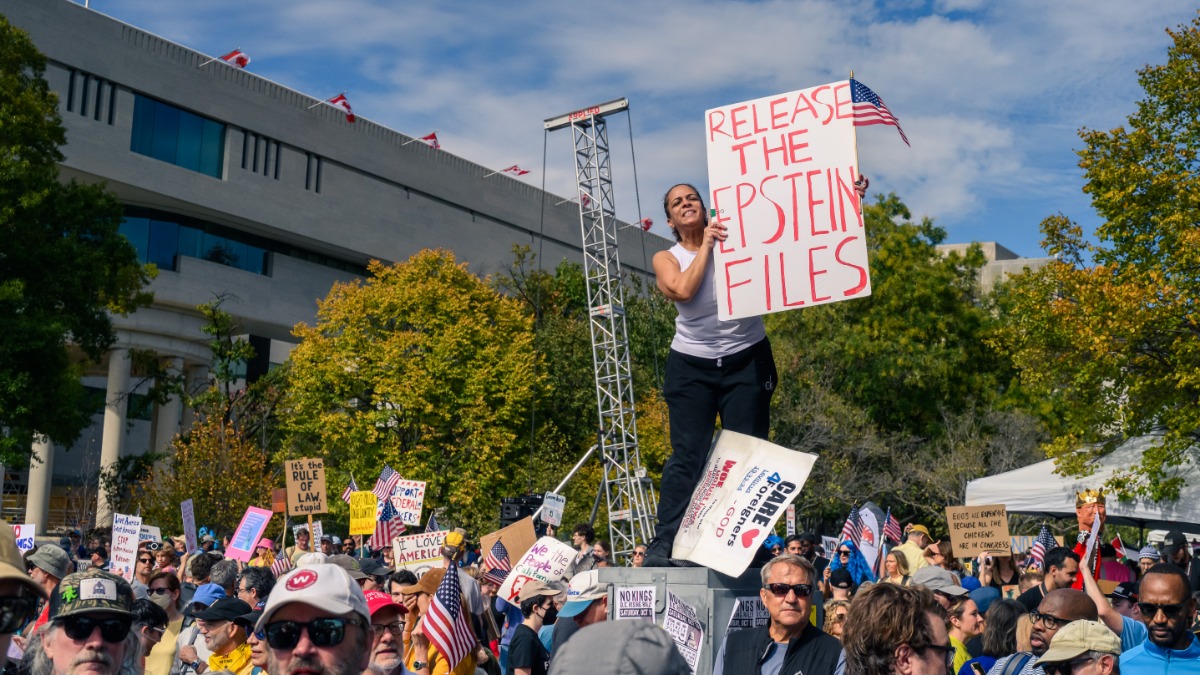
(Featured image: Geoff Livingston)
Have a tip we should know? [email protected]
Follow The Mary Sue:
