Trump said he was in ‘no rush’ to ramp up strikes on Iran. Then the US military hit Qeshm Island
Iran says the ball to prevent war is now in US’ court.
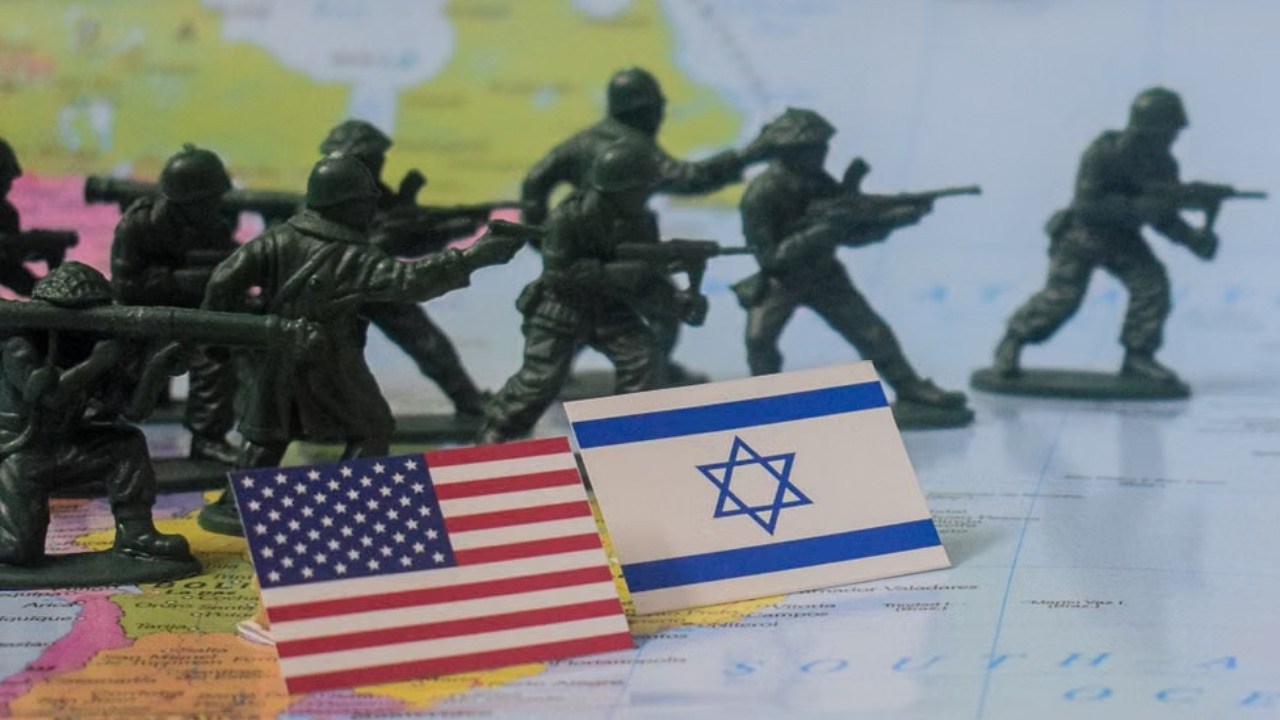
The United States military has carried out strikes on Qeshm Island in the Strait of Hormuz on Monday, November 2, 2026. According to the BBC, this development comes despite President Donald Trump stating earlier on the day that he was in no rush to ramp up strikes on Iran. The strikes were described by officials as limited and defensive. They reportedly happened in response to the Islamic Revolutionary Guard Corps (IRGC) firing on a United States aircraft.
Explosions were reported on the island by the Iranian state news agency IRNA. The military has not commented on the operation. These strikes occurred just ahead of the midterm elections taking place on Tuesday. There has been speculation that the United States might resume significant strikes after the elections.
When asked by a reporter on Monday if that was the case, Trump said no. The president previously told news outlet Axios that he was in no rush to increase pressure. He mentioned that he had crippled Iran financially. He stated, “One way or the other, we will do something, but there is no rush. We crippled them financially. They have no money, no gasoline and their people are getting very tired of it.”
Netanyahu allegedly pushed for more strikes over the weekend
The timing is interesting because Israeli Prime Minister Benjamin Netanyahu reportedly pushed Trump for another wave of strikes during a weekend phone call. This information comes from two regional officials. Some believe a return to full-scale war could help the prime minister form an emergency government. This follows losses in parliamentary elections last week, according to PBS.
Trump has shifted between threatening major strikes and pushing for a deal. He even mentioned in an interview with Fox News that the United States might need to go after Pickaxe [Mountain], which is an underground site linked to the nuclear program. He claimed this was not a big deal and could be done in one hour.
The conflict has caused significant strain. The war began in February when the United States and Israel attacked Iran. It has impacted the economy and gasoline prices, which creates a vulnerability for the Republican Party as it seeks to keep control of Congress. Vice President J.D. Vance mentioned on Monday that he and Trump both feel pretty good about the prospects for potentially coming to a negotiated settlement.
Back-channel negotiations are still on
Mediators are trying to advance a framework for Iran to stop its attacks in the Strait of Hormuz. In exchange, the United States would lift its naval blockade on Iranian ports. Iranian negotiators discussed a proposal last week to reopen the strait within two days if the United States met seven conditions. These reportedly include releasing frozen assets and lifting the blockade.
The strait is a vital waterway for global oil and gas shipments. It has been effectively closed since the war began due to missile and drone attacks and the naval blockade. To keep exports moving from Gulf Arab states, the military has been providing protection for tankers.
Iranian Foreign Minister Abbas Araghchi said on Monday that very intensive talks are happening with the United States via Qatari and Pakistani mediators. A spokesman for the foreign ministry in Qatar stated that both sides are reviewing ideas and proposals. Majed al-Ansari said that they remain hopeful of a deal.
Meanwhile, Iranian officials are taking a firm stance
Parliament speaker Mohammad Bagher Ghalibaf said on Tuesday that the ball is now in America’s court to prevent war. He noted that the Islamic Republic of Iran stands ready for battle with its finger on the trigger. He also claimed they have given the American side a powerful and rational response.
The IRGC did not comment on the specific strikes. They did report that their forces shot down two United States MQM-170 drones south of the island and a MQ-9 drone east of the Strait of Hormuz.
Tensions remain high as authorities in Iran announced plans to train 1 million paramilitary volunteers nationwide. A third military training center opened in Tehran on Monday. Ali Kowsari, the deputy head for training of the Basij, said that 1,500 training bases will start working across the country to prepare these volunteers.
This comes as the region watches the midterm elections closely. Some citizens in Tehran are hopeful that the elections will bring a shift in policy. Others are less optimistic. Raheleh Movahhed said that it does not really make much difference who comes into power because the government and its policies have always had a problem with them.
Have a tip we should know? [email protected]
Follow The Mary Sue: