


A Massive $17.5 Billion Bet on American Nuclear Power Is Officially Underway, but Industry Insiders Are Keeping the Project Sites Under Wraps
Nuclear revival.
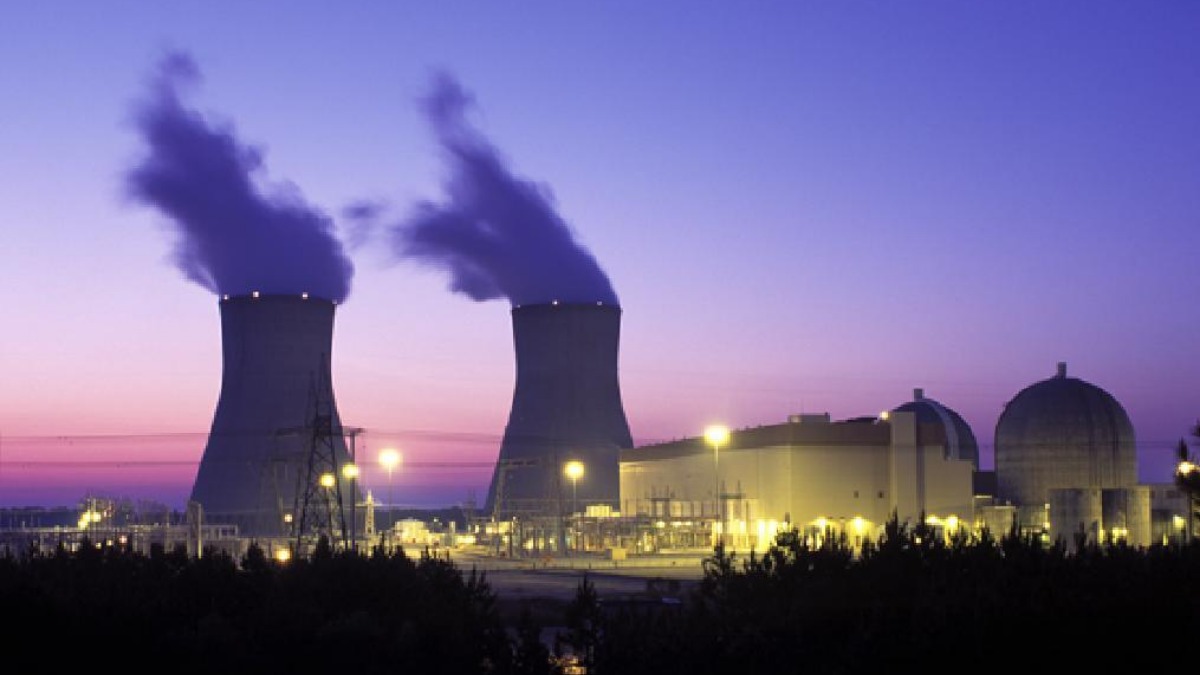
A massive $17.5 billion federal loan program to build 10 new nuclear reactors across the U.S. is officially moving forward, but the exact locations of these projects remain a closely guarded secret. The Trump administration announced the funding this week, framing it as a critical step to meet the surging electricity demands of data centers and artificial intelligence infrastructure.
Energy Secretary Chris Wright called the initiative the beginning of a “next American nuclear renaissance,” per Fox Business. Industry insiders and utilities involved in the projects are keeping details under wraps for now. The $17.5 billion in conditional loans will help finance five projects, each hosting two reactors, with construction expected to begin by 2030 and power coming online in the mid-2030s.
The funding is for purchasing long-lead components like reactor vessels and steam generators, which take years to manufacture. Wright said this will accelerate the timeline by three years and reduce costs, a direct response to the delays and budget overruns that plagued the last major nuclear project – Georgia Power’s Plant Vogtle. Those reactors, completed years late and billions over budget, used the same Westinghouse AP1000 design planned for the new projects.
Wright acknowledged Vogtle’s struggles
He blamed poor planning, supply chain issues, and the COVID-19 pandemic. But he insisted the new reactors will perform better, thanks to a scaled-up supply chain and shared construction expertise across multiple sites. “By building in volume and at multiple locations, we think we will create and stand up a large supply chain and build a lot of construction expertise,” he said. “We expect the timing and cost of these plants to well outperform what was done on Vogtle.”
The loans come from the Energy Department’s Office of Energy Dominance Financing, a program that previously helped fund Vogtle during Trump’s first term. This time, the administration is pushing for even bolder expansion, with a goal of quadrupling U.S. nuclear power capacity to 400 gigawatts by 2050.
That’s an ambitious target, especially since the U.S. hasn’t built a new large-scale reactor from scratch in decades. The only two completed in recent years were Vogtle’s units, which faced seven years of delays and cost overruns totaling billions. Westinghouse, the company behind the AP1000 reactors, will partner with utilities and energy companies on the new projects.
Each project will require $1 billion in upfront equity, split evenly between Westinghouse and its utility partners, before they can access the federal loans. Dan Sumner, Westinghouse’s CEO, said industrialized nuclear power needs to be built at “fleet scale” to keep the U.S. competitive in AI, advanced manufacturing, and other cutting-edge industries. “This is about ensuring the United States leads in the technologies that will define the next century,” Sumner said.
The push for more nuclear power is driven largely by the explosive growth of data centers
ABC News reports that these centers already consume 4% to 5% of the nation’s electricity. That share could nearly triple by 2028, according to government estimates, with some analysts predicting a 20% increase in nationwide electricity demand over the next decade.
Hyperscalers – tech giants running cloud and AI infrastructure – are among the most interested buyers of nuclear power, Wright said. “We are confident that these projects will be economic for utility shareholders, ratepayers, and hyperscalers,” he told reporters.
Despite the enthusiasm, critics argue that nuclear power is too expensive and risky compared to other low-carbon energy sources. The U.S. nuclear industry has struggled to attract private investment because of high upfront costs, regulatory hurdles, and a history of delays. Natural gas and renewables, by comparison, are cheaper and faster to deploy.
But Wright dismissed those concerns, calling the loans “very, very low risk to the American taxpayers.” He pointed to the strong interest from utilities and energy companies, though he declined to name any of the seven that signed letters of intent or reveal where the reactors might be built.
The secrecy around the project sites is not entirely surprising
Utilities and energy companies often keep early-stage plans confidential to avoid public pushback or regulatory complications. The Energy Department said it’s too early to disclose locations, as the selection process is still underway. There’s no timeline for when the final five sites will be chosen, but the goal is to have all 10 nuclear reactors under construction by 2030.
While the new reactors are still years away, the U.S. is already seeing some nuclear revival. Three shuttered plants – Palisades in Michigan, Three Mile Island in Pennsylvania, and Duane Arnold in Iowa – are set to restart in the coming years. These projects are smaller but signal a renewed interest in nuclear energy as a stable, carbon-free power source. The administration has been vocal about its support for nuclear power, framing it as essential to energy dominance and technological leadership.
The $17.5 billion loan program is just one piece of that strategy. Wright said the goal is to create a sustainable supply chain and workforce capable of building dozens more reactors in the future. “Once that supply chain is up and running, do we think there will be dozens of these built going forward? I’d be very surprised if there were not,” he said.
(Featured image:NRC)
Have a tip we should know? [email protected]
Follow The Mary Sue:
