Trump previously lost lawsuits against NYT, Wall Street Journal. Now, a judge rules his newest case can proceed: ‘They know that they don’t know’
“Purposeful avoidance of the truth.”
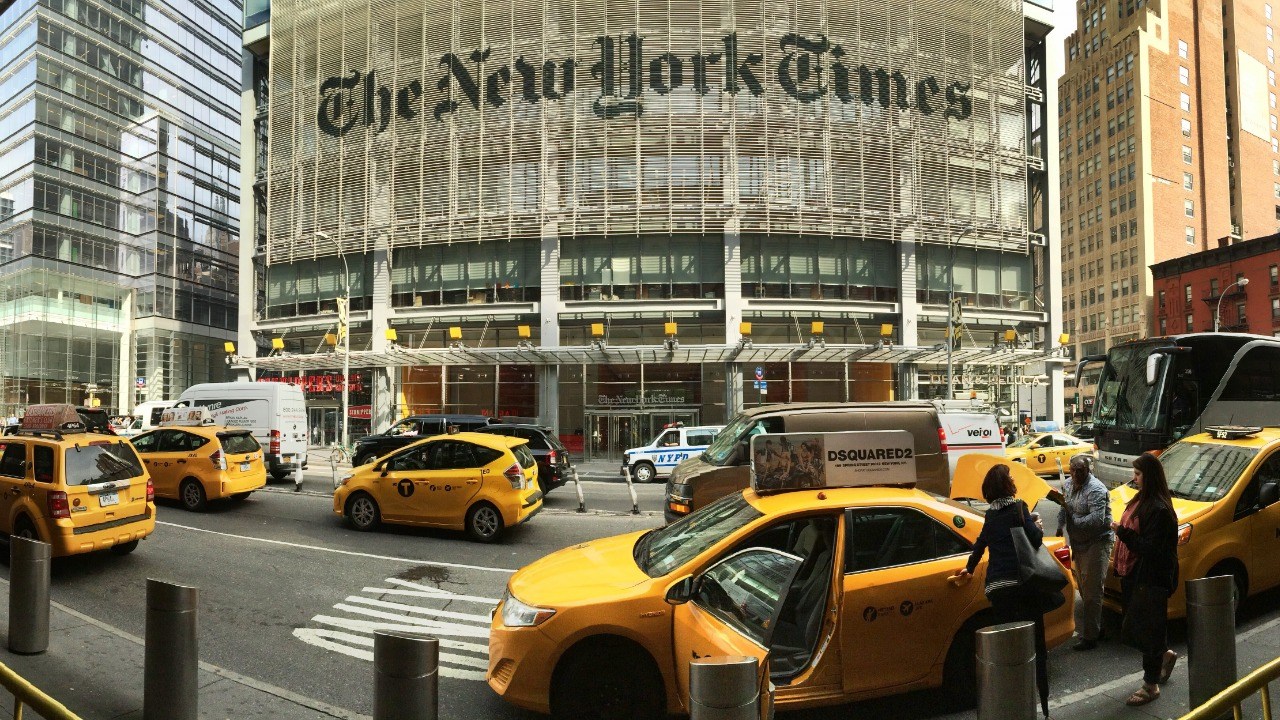
A federal judge has ruled that Donald Trump’s defamation lawsuit against The New York Times and publisher Penguin Random House can move forward. According to The Hill, the decision, handed down on Thursday, November 19, 2026, represents a major development in the president’s ongoing effort to challenge reporting that he views as misinformation.
U.S. District Judge Steven D. Merryday, who was appointed by former President George H.W. Bush, issued the ruling after reviewing the legal standards established by the Supreme Court in the landmark New York Times v. Sullivan case. The lawsuit centers on a 2024 book titled Lucky Loser, which was written by NYT reporters Russ Buettner and Susanne Craig.
The book is an investigative narrative that focuses on the president’s rise to prominence in the real estate industry. Trump’s legal team argues that the authors and the publisher showed reckless disregard for the truth. They allege a “purposeful avoidance of the truth” in their reporting.
Judge Merryday allowed four counts to proceed
All of these focus on seven specific accusations of criminal conduct. The judge provided a sharp critique of the authors for publishing definitive claims regarding complex tax fraud and money laundering. He noted that these serious allegations were made without the support of a formal legal opinion or forensic auditing. The judge observed that these accusations were leveled against Trump and his father despite there being no actual charges or convictions to back them up.
In his written ruling, Judge Merryday addressed the legal threshold for defamation when it involves a public figure. Under the established actual malice standard, a plaintiff must show that the publisher acted with the knowledge that their statements were untrue or with a reckless disregard for the truth. The judge appeared skeptical of the methods used by the reporters.
He wrote, “Anyone who publishes the claim that someone else has committed a crime of the complex nature described in some of the challenged statements… necessarily proceeds with particularized reason to doubt the truth of their statements and with knowledge of a high degree of probable falsity of the statements.” He emphasized this point by stating, “In other words, they know that they don’t know, but they are undeterred.”
The judge also addressed the reliance on outside commentators in the book
He dismissed arguments from the Times that cited a former prosecutor who claimed a transaction “smells like a crime” or a professor who deemed an action “suspicious.” Merryday explained that such superficial characterizations are far from the formal legal analysis required to remove serious doubt when accusing someone of tax evasion or fraud.
“In other words, the facts alleged in the complaint create at least a plausible inference that the authors and the publishers knew that no reliable conclusion about violations of the tax laws, including especially the estate and gift tax laws, is possible without reliance on qualified opinion formulated after the necessary factual and legal research and analysis, which they knowingly failed to obtain,” Merryday wrote.
While this ruling allows the core of the case to continue, it is not a total victory for the president. Judge Merryday did dismiss two counts and threw out 27 other challenged statements, finding them non-actionable under the First Amendment protections provided by the Sullivan precedent. He also denied the request from Trump’s team to amend the complaint for a third time.
Representatives for the president are clearly viewing this as a significant win
A spokesperson for Trump’s legal team told Fox News Digital, “President Trump continues holding the Fake News accountable for deceiving the American people. Judge Merryday has correctly denied the motion to dismiss filed by The New York Times, Penguin Publishing and their writers as to President Trump’s powerhouse defamation lawsuit.” The spokesperson added, “These defendants will now have to answer for intentionally and maliciously defaming President Trump.”
The New York Times maintains that the lawsuit is without merit. A spokesperson for the publication stated, “We continue to believe the remaining claim in the filing has no legal merit. We look forward to making this argument as we continue to defend ourselves against this baseless attack on The Times and the rights of the free and independent press in this country.” The outlet also pointed to the fact that the judge dismissed the majority of the claims originally brought by the president.
This legal battle is just one of many that the president has engaged in over media coverage
Throughout his time in office, he has frequently criticized various news organizations, at times even barring journalists from the White House. While past lawsuits against The New York Times and The Wall Street Journal were dismissed, the president has seen different results elsewhere. He was able to secure settlements from CBS News and ABC News following his 2024 win, and he is currently pursuing another libel challenge against the BBC.
The court has now ordered The New York Times to file a formal answer to the allegations within 28 days. The standard for defamation regarding public figures remains a central, and difficult, hurdle for any plaintiff to clear.
Have a tip we should know? [email protected]
Follow The Mary Sue: