Sean Cairncross managed government cybersecurity policy for a year. Then a week of tech outages hits the US, and he is suddenly replaced
Another shake-up.
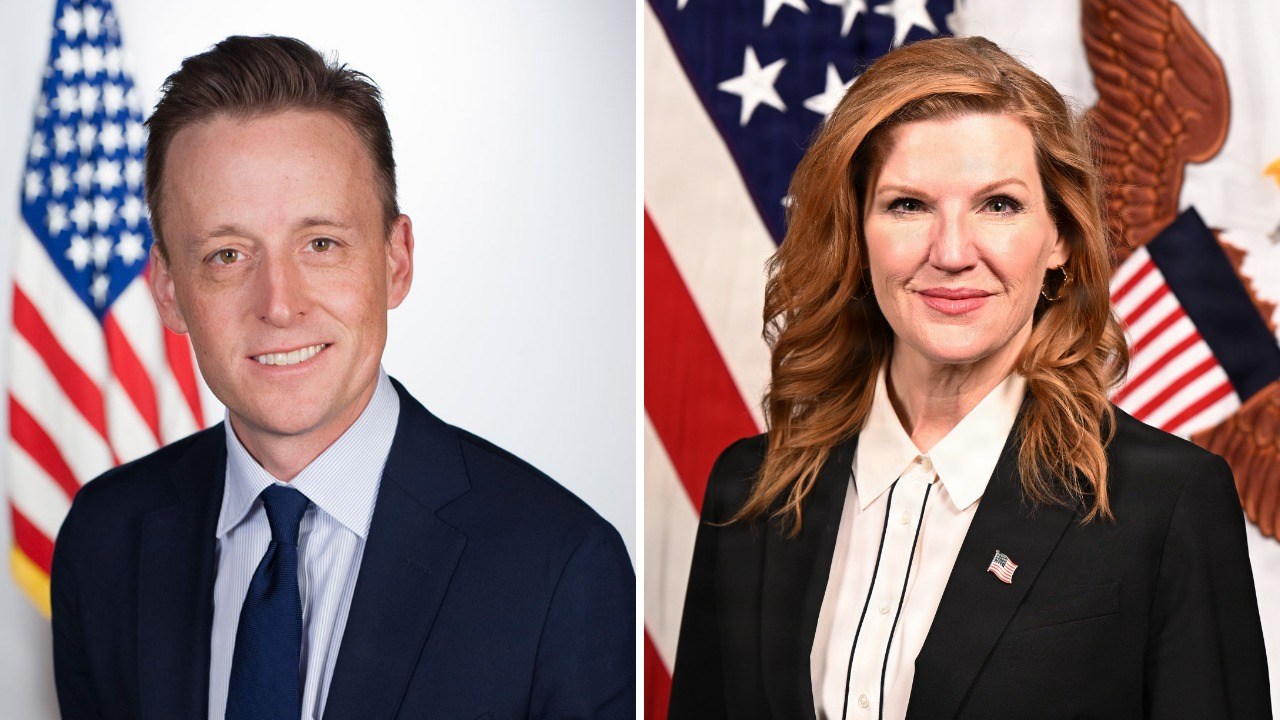
Sean Cairncross is leaving his role as the national cyber director for the Trump administration following a rough week of widespread technology outages. According to NBC News, the change in leadership comes as both private companies and government agencies struggle with issues that have impacted many sectors across the country. A source close to the White House confirmed the departure on Thursday, November 19, 2026.
Kirsten A. Davies, who is the current chief information officer at the Department of Defense, will take over the position in an acting capacity. This specific role requires Senate confirmation to become permanent. The series of recent tech failures have caused significant public concern.
While many worry about the security of these systems, administration officials and Democratic members of Congress have stated that these outages do not appear to be the result of cyberattacks. Some individuals have suggested that artificial intelligence (AI) might have played a role in the instability. However, the administration maintains that the problems are likely the result of system patches and software upgrades.
Cairncross had been leading the Office of the National Cyber Director since August 2025
This office is responsible for overseeing the entire government strategy and policy regarding cybersecurity. During his time in the role, Cairncross was directly involved in White House discussions regarding AI policy. One specific instance involved Commerce Secretary Howard Lutnick directing Anthropic to remove its two most powerful AI systems over the summer. This decision was made due to national security concerns.
President Donald Trump reportedly supported the decision to replace Cairncross. According to ABC News, a source said the president believed Cairncross “lacked the strong cyber credentials to perform the job.”
This shift in personnel is part of a larger effort to adjust the cybersecurity team. The current team includes Director of National Intelligence Jay Clayton, Office of Science and Technology Policy Director Michael Kratsios, and Secretary of State Marco Rubio, who also serves as the national security adviser.
Davies brings a different background to the role as she moves over from the Pentagon
Davies shared her thoughts on her new responsibilities on X. She wrote, “Our nation stands in the crossroad of analog, digital, and quantum technologies, our American way of living increasingly interconnected. Our opportunity is to dominate the cyber landscape for generations to come …but only if we modernize and drive resilience into the foundations our great nation runs on, as well as build cyber talent for our future.”
She added, “Under President Trump’s leadership we will have a more secure, resilient, and supercharged technological future.” Davies thanked Trump, Chief of Staff Stephen Miller and Defense Secretary Pete Hegseth for her appointment.
The official rapid response account for the White House also acknowledged the appointment of Davies to the position. Jay Clayton provided a statement regarding the transition on social media.
Clayton said, “With nearly two decades of leadership experience in the technology space, Kirsten Davies will be a strong asset for the Trump administration in her new position with the Office of the National Cyber Director. It has been my pleasure to work closely with Kirsten on national security matters, and I look forward to now working with her to navigate an increasingly dynamic and fast-moving cyber landscape.”
Cairncross is not new to the inner workings of the White House
He previously served as a senior adviser to the White House Chief of Staff during the first term of President Trump. Cairncross also has a history with the Republican National Committee, serving as CEO for the committee during the 2016 election cycle. He later returned to work for the committee during the 2024 cycle as the deputy to Chris LaCivita, who was the chief operating officer at that time.
The recent outages have certainly created a difficult situation for the administration. While the government claims these issues are related to updates rather than malicious attacks, the public reaction has been intense. It is clear that the White House wants to project a sense of stability and technical competence as these events continue to unfold.
The White House bringing in Davies, with her experience at the Defense Department, appears to be a way of prioritizing a more technical approach to national cyber strategy.
Have a tip we should know? [email protected]
Follow The Mary Sue: