Manhattan judge rules on the rent freeze affecting 1 million New York apartments. Then he drops a harsh reality check on Mamdani
Housing is a basic necessity.
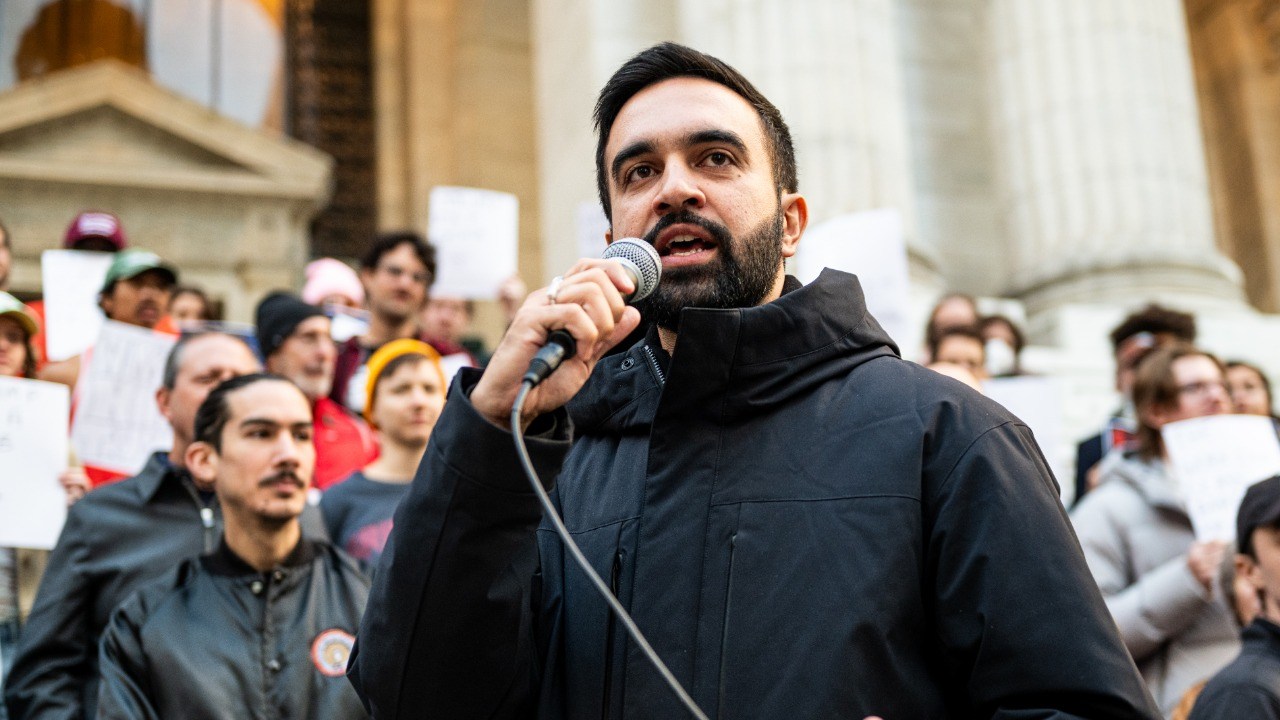
A Manhattan judge has officially upheld a rent freeze affecting nearly 1 million rent-stabilized apartments across New York City. This decision marks a massive win for Mayor Zohran Mamdani, who based his campaign on the promise to keep housing costs down for residents. According to The Guardian, the ruling, issued by Manhattan Supreme Court Justice Brendan Lantry, shuts down a legal challenge brought by a group of landlords.
These landlords had tried to stop the policy, which freezes rents on one-year and two-year leases starting on or after October 1. The Rent Guidelines Board approved this measure back in June, setting the stage for this legal standoff. In his written order, Justice Lantry clarified that the court is not tasked with deciding if the board’s choice was wise or if it might lead to negative consequences for the broader real estate market.
Instead, the judge explained that his role was strictly to determine if the order had a rational basis. He concluded that the landlords failed to prove the decision was unreasonable, arbitrary, or capricious. Because the board’s actions met the legal standard for a rational basis, the freeze remains valid under the law.
Mamdani celebrated the news as a major step forward for the city
In a statement to the New York Times, he described the decision as “a victory for tenants, for affordability and for the principle that working New Yorkers deserve a city they can afford to live in”. He also emphasized his core belief regarding local housing, stating, “Because housing is not a luxury,” and adding, “It is a basic necessity.” Mamdani noted that this court decision will provide relief to more than 2 million people, allowing them to breathe a little easier during this holiday weekend.
While the ruling favors the Mayor, the judge did not shy away from criticizing the political rhetoric surrounding the policy. Justice Lantry took a moment to address Mamdani’s campaign pledge to “freeze the rent,” labeling the promise as “reckless and irresponsible.” The judge pointed out that mayors in New York City have no authority to unilaterally raise, freeze, or otherwise adjust the rent of stabilized units. That specific power belongs entirely to the Rent Guidelines Board.
The landlords involved in the lawsuit had argued that the entire process was a sham. They claimed the board ignored clear evidence of rising costs for insurance, taxes, and maintenance. They also alleged that the board manipulated data to understate the financial impact these rising costs have on building owners. Furthermore, they argued that the board was not acting independently because it was filled with Mamdani’s loyalists.
Justice Lantry pushed back against the landlords’ claims in his ruling
According to Reuters, he addressed the nature of democratic governance, noting, “Elections have consequences, a premise that is the backbone of our democracy.” The judge pointed out that Mayor Mamdani was elected in the 2025 general election and was fully empowered to appoint members of his choosing to the board. According to the court, the fact that these board members share the mayor’s political views and philosophies does not indicate any level of collusion or misconduct.
Randy Mastro, a lawyer representing the plaintiffs and a former first deputy mayor under Eric Adams, told the press that he was “disappointed by the court’s ruling” and mentioned that his team is “continuing to review the ruling and considering next steps”.
To understand why this is such a big deal, it helps to look at how rent stabilization works in New York. These regulations cover about 1 million of the city’s 2.3 million rental units. The rent freeze applies to leases up for renewal between October 1, 2026, and September 30 of next year. The Rent Guidelines Board is the specific body that manages these adjustments every year. Landlords often argue that these freezes make it difficult to maintain buildings when their own operating expenses like insurance and taxes are climbing.
On the flip side, proponents of the freeze argue that tenants are already struggling with the high costs of food and other necessities. By freezing rents, the city aims to prevent further displacement and keep people in their homes. The judge’s focus on whether the board’s decision was arbitrary or capricious is the standard legal test for administrative actions.
Have a tip we should know? [email protected]
Follow The Mary Sue: