


The View’s Sunny Hostin flips on Cornell 7 case after backlash, calling the alleged assault ‘grotesque’ while blaming New York law
Law versus accountability?
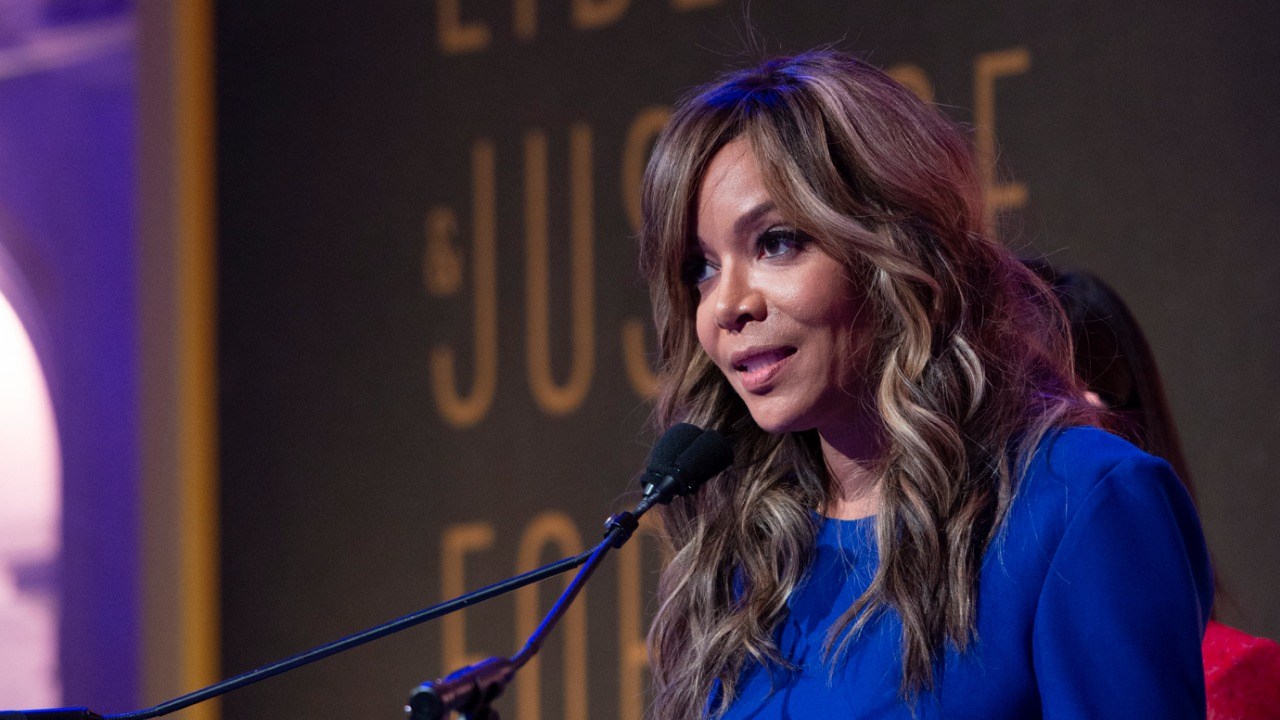
The Cornell 7 case has taken a sharp turn as The View co-host Sunny Hostin has publicly shifted her stance following significant backlash. After initially defending the decision not to bring criminal charges against the seven Chi Phi fraternity members, Hostin is now labeling the alleged assault as grotesque. She remains a firm critic of New York state law, which she argues serves as a major barrier to justice in cases involving substance use and consent.
According to Complex, the situation centers on allegations from a former Cornell student, identified as Jane Doe, who claims she was drugged and sexually assaulted by seven fraternity members for at least seven hours in October 2024. Attorneys for the accused have denied these allegations, and no arrests have been made so far. Hostin, drawing on her background as a former sex crimes prosecutor, emphasized that her legal analysis was strictly based on the statutes in place.
During The View broadcast on October 1, Hostin clarified her position while addressing the ongoing investigation. She noted that while she previously questioned the initial 2024 statement provided by the accuser, the emerging details regarding the incident are deeply troubling. She stated, “This is a morally repugnant case. It is grotesque when you read the details.” She added that she feels terrible about the circumstances surrounding the event.
Hostin maintains that the primary issue lies with the legal framework in New York
She argued that the state makes it incredibly difficult to prosecute cases where substance use is involved. According to her, if this case had occurred in Washington, D.C., it would have proceeded to trial. She claimed that she would have prosecuted it just like many other sex crimes she handled in her previous career.
The legal complexity often hinges on how New York defines mental incapacitation and physical helplessness. While these terms cover impairments caused by substances administered without consent, the law is more nuanced regarding voluntary intoxication.
Hostin explained that, in her professional view, the current law requires a victim to be either unconscious or involuntarily drugged to successfully pursue criminal charges. She noted that because the accuser admitted to voluntary substance use, the legal hurdle for prosecutors became significantly higher under the current statutes.
The investigation is now moving into a new phase
Gov. Kathy Hochul appointed the office of Attorney General Letitia James as a special prosecutor on October 1. This decision followed intense scrutiny regarding how the Tompkins County District Attorney, Matthew Van Houten, handled the initial review. Van Houten had previously declined to file charges, citing a signed statement from the accuser that described voluntary drug use and consensual sexual activity.
Latest evidence calls into question what information was available to the District Attorney at the time. According to a transcript of a two-day interview between the accuser and Cornell campus police from November 2024, Jane Doe stated, “I can say with 100% confidence, I was raped.” Van Houten admitted he had not received the full transcript during his initial review. He stated that had he seen those specific words, his office would have certainly explored the matter further.
The accuser’s attorney, Thomas Giuffra, has been vocal about the failures in the investigation. During an appearance on NewsNation’s Cuomo, he argued that numerous witnesses who posted comments online should have been interviewed by authorities.
He also pointed to specific details of the assault, such as his client describing being hit and attempting to run away, as clear evidence that warranted a more thorough legal response. Giuffra welcomed the appointment of the special prosecutor, noting that he had zero confidence in the original District Attorney’s ability to handle the case.
The conversation on The View also touched upon the broader moral implications of the case
Panelists discussed the potential for legislative change. According to Entertainment Weekly, Ana Navarro pointed to the legal loophole regarding voluntary intoxication as a major issue that needs to be reviewed. Meanwhile, guest panelist Sherri Shepherd suggested that voters should prioritize these issues at the polls to force changes in the law.
Other contributors, such as Alyssa Farah Griffin, expressed concern over the public reaction and the naming of the accused individuals. Griffin emphasized the importance of due process, noting her discomfort with having the men’s faces plastered across the internet before they have had their day in court.
Despite these different perspectives, the panel remained focused on the gravity of the allegations as the special prosecutor began the task of preparing a grand jury presentation. The case serves as a stark reminder of the intersection between evolving legal standards and the public demand for accountability in instances of sexual violence.
Have a tip we should know? [email protected]
Follow The Mary Sue:
