


The Republican Defunding Ban on Planned Parenthood Just Expired, Leaving Conservative Activists Demanding a Desperate Legislative Do-Over
Long way to go.
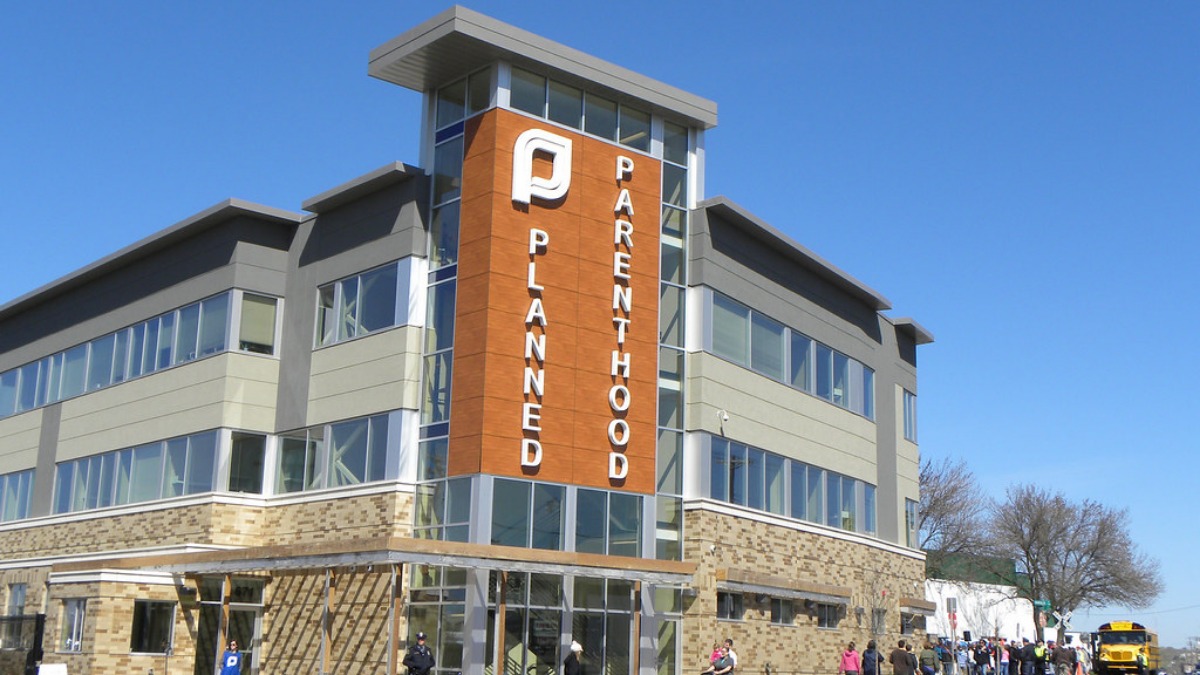
Planned Parenthood just regained access to federal Medicaid funding, and conservative activists are furious. According to The Hill, the one-year ban on reimbursements for non-abortion care expired on July 5, allowing clinics to bill Medicaid again for services like contraception and sexually transmitted infection (STI) screenings.
Anti-abortion groups are now demanding Republicans rush to reinstate the defunding measure before the end of the year, calling the lapse a “moral failure” and a betrayal of their base. This funding is a big deal for Planned Parenthood. Medicaid accounts for more than $800 million in revenue for the organization, and over half of its patients rely on it for coverage.
The year-long ban had forced nearly 30 clinics to close, mostly in rural and medically underserved areas where patients had few alternatives. Nora Walsh-DeVries, vice president of political and legislative affairs at Planned Parenthood Action Fund, said the closures left tens of thousands of patients without access to critical care like cancer screenings and birth control.
The ban had many other consequences too
Visits from Medicaid patients dropped by 25% during the ban, and the number of women receiving long-acting contraception like IUDs fell significantly. The defunding effort was part of last year’s One Big Beautiful Bill Act, a party-line Republican push that used budget reconciliation rules to bypass a Senate filibuster. But those same rules limited the ban to just one year, creating the exact “cliff” anti-abortion activists had warned against.
Now, with midterms looming, they’re panicking. Kristan Hawkins, president of Students for Life Action, gave every lawmaker an “F” on her group’s “pro-life generation report card” and said Republicans need to “get busy” replacing the ban. Her organization even picketed outside the Republican National Committee headquarters to pressure lawmakers into action.
The urgency isn’t just ideological
It’s political. Anti-abortion groups are pouring money into Republican campaigns, with Susan B. Anthony Pro-Life America pledging $160 million for pro-life candidates in 2026 and 2028. Kelsey Pritchard, the group’s communications director, said defunding Planned Parenthood is the “default expectation” of the movement and that Republicans must act to energize their base ahead of November.
Lila Rose, president of Live Action, called the expiration a “moral failure” and demanded President Donald Trump and Congress restore the ban immediately. But there’s a problem: not all Republicans are on board. Speaker Mike Johnson wants to include the defunding provision in a third reconciliation bill, and the hard-line House Freedom Caucus is pushing for it.
But Senate Republicans are skeptical. With narrow margins and midterms approaching, some lawmakers are reluctant to reignite the abortion debate. Polling shows most voters oppose defunding Planned Parenthood, and even last year, vulnerable Republicans hesitated before ultimately voting for the ban.
The expiration doesn’t mean Planned Parenthood’s struggles are over
Walsh-DeVries said there’s no clear process for affiliates to reclaim Medicaid funding, and some states may continue blocking reimbursements on their own. The Supreme Court ruled last year that states can exclude providers from Medicaid without legal challenges from patients. Thirteen states have already tried to cut off Planned Parenthood, and more could follow now that the federal ban is gone.
The financial hit from the ban was severe but not crippling. Planned Parenthood had warned that nearly 200 health centers in 24 states were at risk of closing, but the actual number was closer to 30. Still, the closures disproportionately affected rural areas and “contraceptive deserts,” where patients already had limited access to care.
The ban was too big a burden to bear alone
In September 2025 alone, Planned Parenthood provided $45 million in free care to Medicaid patients, a burden that became unsustainable without federal reimbursements. Eleven states used their own funds to keep clinics open, but that wasn’t a long-term solution.
For anti-abortion activists, the fight isn’t over. They see this as a rare window of opportunity with Republicans in control of Congress, and they’re not letting it slip away. But with midterms approaching and Senate Republicans hesitant, the path forward is far from certain. If Congress flips in November, they may not get another chance. For now, Planned Parenthood is breathing a sigh of relief, but the battle over federal funding is far from settled.
(Featured image: Fibonacci Blue)
Have a tip we should know? [email protected]
Follow The Mary Sue:
