SpaceX ditches rockets for giant $74bn AI campuses in Texas and Arizona. Then locals learn what these data centers will actually cost
Real costs.
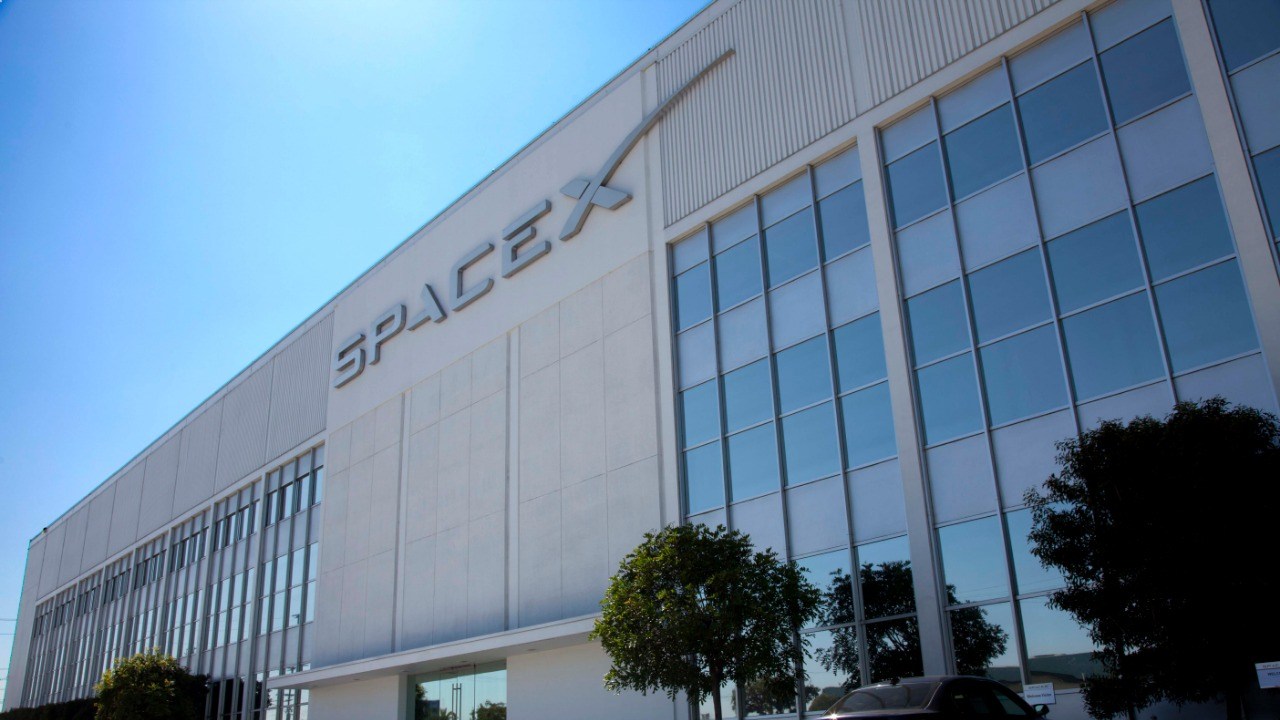
SpaceX is shifting its focus away from rockets and satellite internet. According to Reuters, it has announced a massive $74 billion investment to build two artificial intelligence supercomputing campuses in Texas and Arizona. This move signals a major pivot for the company, which now generates more than half of its quarterly revenue from its artificial intelligence division.
According to financial results filed for the quarter ending September 2026, SpaceX saw revenue hit $14.6 billion, a 161% jump compared to the same period last year, per The 420. This growth is driven by cloud computing contracts, the acquisition of the AI coding platform Cursor, and the success of its AI assistant, Grok. The proposed Texas facility at Starbase will cost over $24 billion and aims to operate off-grid by generating its own electricity.
SpaceX plans to build a gas-fired power plant on the 444-acre site to power its computing operations, letting the company avoid the long wait times often associated with connecting to public electricity grids. According to the Tech Times, this off-grid label does not mean the site is unregulated. SpaceX filed a registration with the Texas Commission on Environmental Quality on September 8 for this plant. The filing includes plans for 35 temporary turbines followed by eight GE Vernova 7E turbines.
The project faces a complex regulatory environment
Governor Greg Abbott issued a directive in September that paused new data center grid-connection approvals and expanded the pause to include environmental permitting. While SpaceX suggests the facility will be self-sufficient, questions remain about how this state-level pause affects behind-the-meter gas plants.
Additionally, the registration proposes a nitrogen oxide limit of 248.86 tons per year. This figure sits just 1.14 tons below the 250-ton threshold that would trigger a tougher federal review under the Prevention of Significant Deterioration program. The Starbase City Commission is set to consider a property tax concession for the project on December 9. It is worth noting that two of the three commissioners on the panel are SpaceX employees.
In Arizona, the proposed campus in Cochise County is even larger, with an estimated investment of $50 billion. The application, submitted by Tombstone Resources LLC, covers 747 acres and could eventually require up to six gigawatts of electricity – a load roughly six times larger than similar regional projects.
SpaceX, founded by tech mogul Elon Musk, claims the campus will create 5,500 construction jobs and 1,000 permanent positions. The company also states it will work with local electric cooperatives to potentially lower bills for members by up to 20% and transfer $3.6 billion in transmission upgrades to the Arizona Electric Power Cooperative at no cost.
Despite these promises, the Arizona project faces significant pushback
A petition against the development has gathered approximately 2,400 signatures from concerned residents. Critics are worried about the massive demands the facility will place on regional resources.
While SpaceX claims the campus will use dry cooling to avoid industrial groundwater consumption, experts note that this process often shifts water usage elsewhere. Dry cooling systems reject heat into the air, which requires more electricity for fans, meaning the indirect water footprint at the power plants supplying the campus could be substantial. The Cochise County Planning and Zoning Commission has scheduled a public hearing for December 9 to discuss the application.
Local residents have attended community meetings with protest signs, highlighting that the company’s claims regarding job numbers and community benefits are not universally accepted. While SpaceX maintains that its investments will generate new revenue for schools and public services, the reality of the construction costs and the environmental impact remains a point of contention.
These two campuses reflect a broader trend where the race for AI dominance is increasingly a competition for physical resources like semiconductor chips, industrial land, and massive amounts of power. In October, SpaceX finalized a $40 billion financing arrangement with Apollo Global Management and other institutions to secure Nvidia processors and related equipment. This equipment is expected to start arriving in the first half of 2027.
For now, the future of these campuses depends on several factors
Investors should be cautious and distinguish between announced spending plans and completed projects. Businesses that rely on cloud-based AI services should consider the long-term costs and avoid becoming too dependent on a single provider. With regulatory hurdles in Texas and vocal opposition in Arizona, the path forward for these multi-billion dollar data centers is anything but guaranteed.
As the December 9 hearings approach, it seems clear that the local communities will have a significant say in whether these massive AI hubs move forward as planned.
Have a tip we should know? [email protected]
Follow The Mary Sue: