


Secret Service detains gunman Cole Allen. But the real debate is whether the shooting was all a set-up to spike Trump’s dwindling poll numbers
A good day for conspiracy theories.
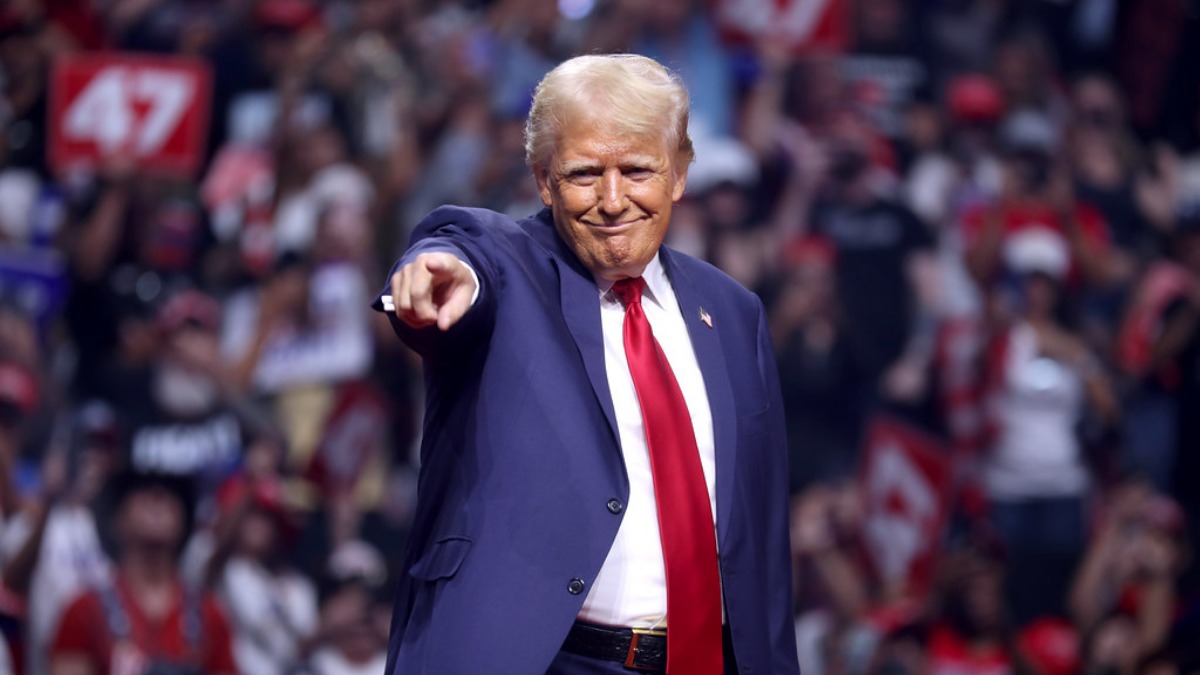
The Secret Service just detained a gunman named Cole Allen after shots were fired at the White House Correspondents’ Dinner on Saturday, April 25, 2026. But within hours, the real story online wasn’t about the arrest — it was whether the whole thing was a setup to give a struggling president a poll boost.
The moment the first reports hit social media, conspiracy theories exploded. According to NYT, by midday Sunday, the word “staged” had appeared in over 300,000 posts on X alone. Some of those posts pushed the idea that the attack was a manufactured distraction from sinking approval numbers or the unpopular war with Iran. Others flat-out denied anything had happened. A smaller number of users tried to debunk the rumors, but their corrections got far less attention.
This pattern isn’t new. Every major breaking-news event in the last few years has been followed by an instant flood of speculation, misinformation, and outright falsehoods. After two previous assassination attempts on Donald Trump, many accounts still insist those incidents were faked, even though people died. The same thing happened when Nicolás Maduro was captured, in minutes, manipulated images and baseless claims were everywhere.
The president himself has been a major part of this cycle
Cliff Lampe, a professor at the University of Michigan’s School of Information, says people aren’t looking for facts. They’re looking for anything that confirms what they already believe. “They’ll zoom in on a pixel in a photo, compare side-by-side shots of the president’s face, and build entire narratives from tiny details,” he said. The result is a reality that’s constantly being reshaped to fit personal biases, not evidence.
Trump is far more active online than past leaders, often posting in real time and rallying supporters to amplify his messages. After the shooting on Saturday, he quickly pivoted to promoting his plan for a gilded ballroom on White House grounds, calling it a security necessity.
Right-wing influencers immediately picked up this talking point, framing the ballroom as an urgent upgrade to protect future events. The dinner, however, wasn’t even at the White House, it was at the Washington Hilton.
Many of these points went viral within hours of the shooting
For instance, some of the most viral posts claimed the gunman had been killed on the scene. He wasn’t. He was arrested. Others speculated about his motives or political ties, often using AI-generated images to support their claims. RT, the Russian state-backed news outlet, amplified some of those theories on X. When corrections were posted later, they got a fraction of the views.
A Fox News clip featuring White House correspondent Aishah Hasnie went viral for all the wrong reasons. Her phone call dropped mid-interview, leading some users to claim the network was censoring her. She later clarified on X that the signal in the ballroom was just unreliable. But by then, the damage was done.
Amanda Crawford, an associate professor at the University of Connecticut who studies media coverage of mass shootings, says the problem is speed. “Getting the truth out takes time, but audiences don’t have that patience,” she said. “People want answers immediately, and they’ll accept whatever fits their worldview.”
The timing of the attack is critical
Trump’s approval ratings have been in free fall for months, hitting historic lows. According to Rolling Stone, a recent Associated Press-NORC poll put his approval at just 33%, while a CNN poll found only 31% of Americans think he’s doing a good job – the lowest of his political career. His numbers on the economy are even worse, with only 30% approving of his handling of financial issues and just 23% satisfied with his work on cost-of-living.
Inflation is the biggest driver of this discontent. Prices for gas, groceries, and everyday goods have skyrocketed, and most Americans blame the administration. A Fox News poll found that for the first time in over 15 years, voters trust Democrats more than Republicans on the economy. It also found that many don’t think Trump has the mental sharpness to do the job, which is a tough look for someone who will turn 80 soon and has nearly three years left in office.
The war with Iran hasn’t helped. It’s deeply unpopular, and the administration’s messaging on when things might improve has been confusing at best. But the economic pain is the real killer.
Tatishe Nteta, a political science professor at UMass-Amherst, says the numbers are a warning sign. “When a president dips into the 30s, it means they’re losing support even within their own party,” he said. Right now, only 68% of Republicans approve of the job the president is doing, and that drops to 51% on cost-of-living issues.
The midterm elections in November could be a bloodbath for the president’s party
Democrats have been winning off-cycle races all year, and most analysts expect them to take back the House. The Cook Political Report shows Democrats leading by six points in key battleground districts. Enthusiasm is the wild card, and right now, Democrats are far more motivated to vote.
The president’s response to the polling crisis has been all over the place. He’s called some polls “fake and fraudulent,” while at other times he’s seemed genuinely confused about why he’s so unpopular. He’s also pointed to niche surveys showing 100% support among his most loyal followers as proof that he’s actually doing great. His base is shrinking, too. Several high-profile conservative commentators have turned against him.
The White House Correspondents’ Dinner shooting happened at a moment when the president’s political future looks shaky. Whether that’s a coincidence or something more sinister depends on who you ask.
(Featured image: Gage Skidmore)
Have a tip we should know? [email protected]
Follow The Mary Sue:
