


New York Judge Strikes Down Trump’s Sweeping Visa Ban, Dealing a Major Blow to the Administration’s Attempt To Rewrite Immigration Standards
An "exercise in Orwellian logic."
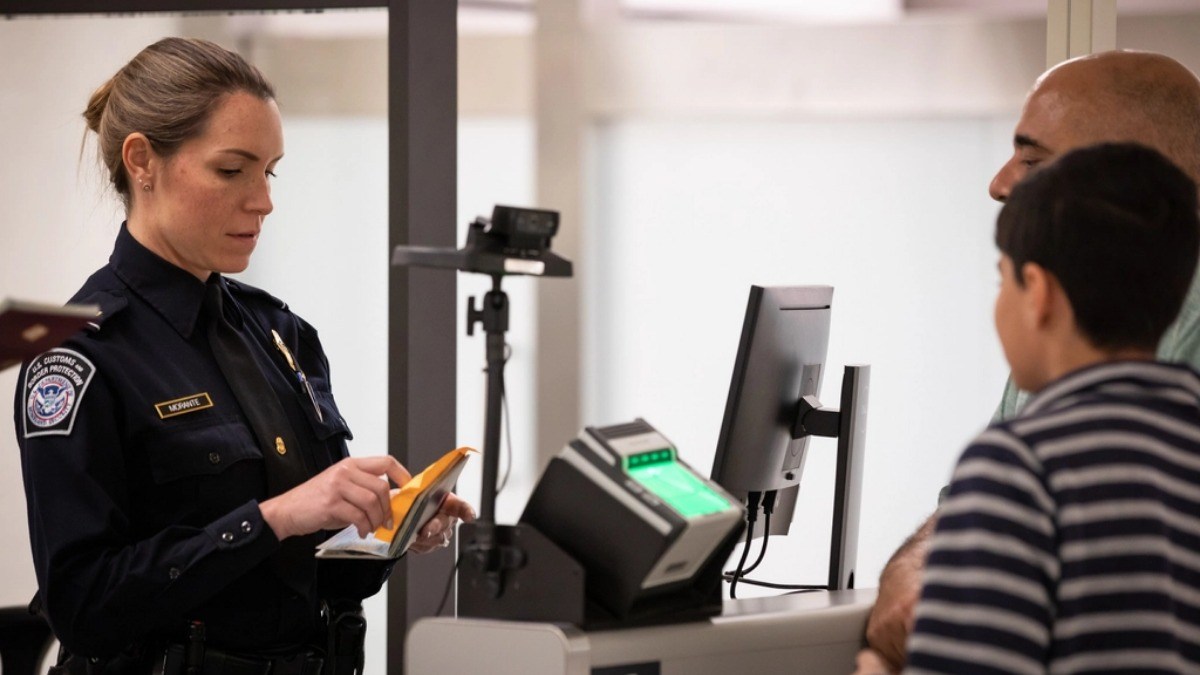
A federal judge in New York recently struck down the Trump administration’s visa ban for 75 countries, calling it a direct violation of immigration law and a move that unfairly targeted entire nationalities. According to the Washington Post, U.S. District Judge Jeannette Vargas ruled on August 21, 2026, that the indefinite pause on visa processing, which affected nearly half of all legal immigrants, ignored individual circumstances and relied on broad stereotypes instead.
The decision is a major setback for the administration’s push to tighten immigration standards and reshape how visas are granted. The policy, which went into effect in January, froze visa processing for people from 75 countries, many of them in Africa, the Middle East, and the Caribbean. The administration argued it was necessary to prevent immigrants from becoming a “public charge,” meaning someone who might rely on government assistance.
But Judge Vargas, a Biden appointee, called the policy an “exercise in Orwellian logic” and said it stripped consular officers of their authority to make case-by-case decisions. Instead, the State Department’s directive forced officers to deny visas based solely on nationality, regardless of an applicant’s financial stability or qualifications.
The ruling came in response to a lawsuit
This was filed by two nonprofit groups and 11 individuals, including six people whose family members had visa applications rejected under the freeze. Amaha Kassa, executive director of African Communities Together, one of the groups that sued, said the policy was built on flimsy evidence and harmful stereotypes.
“The decision on whether someone should receive a visa should be an individual decision,” he said. “It shouldn’t be based on profiling or stereotypes of certain countries.” The State Department declined to comment on the ongoing litigation but maintained that the administration is “protecting the American people by upholding the highest standards of screening and vetting of visa applicants.”
The visa freeze didn’t apply to nonimmigrant visas, like those for students or tourists, but it did block work and family-based visas. Experts estimated the policy would have turned away 40 to 45% of all legal immigrants over a year.
The State Department justified the move by pointing to data suggesting that more than 30% of households with immigrants from the targeted countries received some form of public assistance. But critics argued the policy painted entire populations with a broad brush, ignoring the fact that many visa applicants are professionals, students, or family members reuniting with loved ones in the U.S.
The Trump administration’s immigration policies have faced other legal challenges too
Last year, the State Department expanded a travel ban to include citizens of 39 countries after an Afghan immigrant was charged in the shooting of two National Guard troops. A federal judge in June ordered the government to resume processing citizenship, green-card, and work permit applications for people affected by that ban. The latest ruling follows a similar pattern, with courts pushing back against policies they see as overreaching or discriminatory.
Judge Vargas, who has been on the Southern District of New York bench since November 2024, has a history of scrutinizing government overreach. According to Fox News, earlier this year, Vargas temporarily blocked Department of Government Efficiency personnel from accessing sensitive Treasury payment systems, citing privacy and cybersecurity concerns. She later narrowed that order but maintained strict oversight.
In her ruling on the visa ban, she found that the State Department’s directive went beyond the individualized review required by the Immigration and Nationality Act. The law allows consular officers to deny visas to applicants they believe are likely to become a public charge, but it doesn’t permit blanket denials based on nationality.
The State Department hasn’t taken the ruling quietly
A spokesperson blasted Vargas as a “rogue judge” and accused her of undermining the legal authority of the Secretary of State. “American taxpayer-funded public benefits belong to Americans,” the spokesperson said. “President Trump has made clear that immigrants must be financially self-sufficient to protect these public benefits for American citizens.”
The spokesperson added that the administration would “keep fighting for commonsense visa policies that put America First.” The sharp response reflects the high stakes of the case, which touches on one of the administration’s core immigration priorities. For now, the ruling means the State Department must resume processing visas for people from the 75 affected countries. But the decision doesn’t guarantee approval for any specific applicant.
Consular officers can still deny visas if they determine an individual is likely to become a public charge or if they find another legal reason for inadmissibility. The case also doesn’t address the broader debate over immigration policy, which remains one of the most contentious issues in the administration’s agenda.
The visa ban was part of a larger effort to tighten immigration rules
This included a November directive that expanded the criteria for identifying potential public charges. Under that policy, consular officers were instructed to weigh factors like an applicant’s age, health, finances, and English proficiency.
The administration argued these measures were necessary to ensure immigrants could support themselves without relying on government assistance. But critics, including immigration advocates and some legal experts, said the policies were designed to reduce immigration overall, particularly from certain regions.
The ruling is a win for immigration advocates who have long argued that the administration’s policies disproportionately target people from lower-income countries. Kassa, of African Communities Together, said the visa freeze was particularly harmful because it blocked family reunification, a cornerstone of U.S. immigration policy.
“These visas are often about bringing families together,” he said. “To deny them based on where someone is from, rather than their individual circumstances, is just wrong.”
(Featured image: Ozzy Trevino)
Have a tip we should know? [email protected]
Follow The Mary Sue:
