


Mexico-to-Tokyo Journey Ends in Handcuffs After Customs Officials Unpacked a Suitcase and Discovered 22 Pairs of Moving Socks
The abuse behind wildlife smuggling.
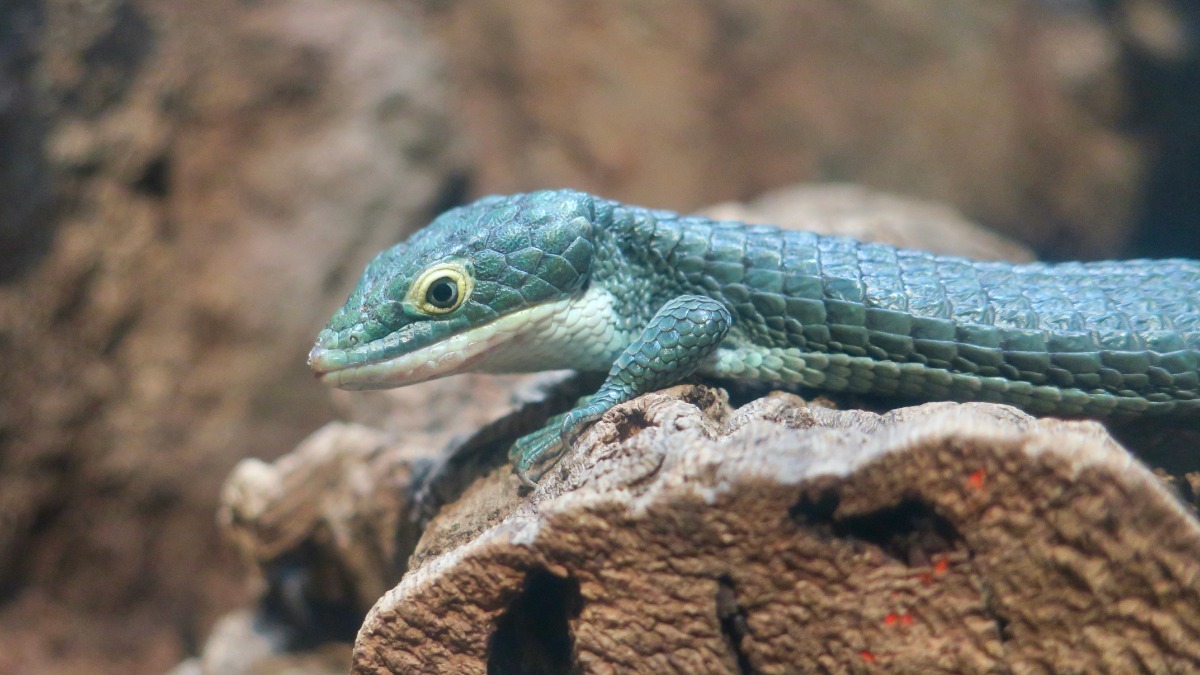
A Mexico-to-Tokyo journey ended with a man in handcuffs after customs officials unpacked his suitcase and discovered 22 pairs of socks that weren’t just socks. Inside each one, authorities found live lizards – about 200 of them – packed tightly into the fabric. One of the reptiles didn’t survive the journey, but the rest were still wriggling when the luggage was opened at Haneda Airport on August 8, 2026.
According to The Independent, the 23-year-old traveler, identified as Daniel Isaac Velasco Baltazar, had flown in from South Korea but originally purchased the lizards in Mexico. He allegedly told investigators he bought them for roughly $3.50 to $4.70 each, a bargain compared to what they could fetch in Japan.
Some of the reptiles, particularly the endangered Mexican alligator lizards found among them, can sell for around $630 each in the Japanese exotic pet market. That’s a massive markup.
Customs officers were on alert before Velasco Baltazar even landed
An anonymous tip in late July warned that a Mexican national was attempting to smuggle lizards into Japan in time for a reptile exhibition and sale. When his suitcase arrived, officials found socks stuffed with reptiles, some even rolled up in T-shirts for extra concealment.
Nine of the lizards were Mexican alligator lizards, a species protected under the Convention on International Trade in Endangered Species. That means any international trade requires government permission, which Velasco Baltazar clearly didn’t have. The Mexican alligator lizard is a striking creature, emerald green or dark teal blue in color and slow-moving. It is native to the pine and oak forests of central Mexico’s Sierra Madre.
Logging and collection for the pet trade have decimated their populations, pushing them onto the endangered species list. Japan’s fascination with exotic reptiles makes it a hotspot for smuggling attempts like this one. It’s not the first time customs officials have intercepted live animals hidden in luggage, and it probably won’t be the last.
Keith Jeffries, vice president of K2 Security Screening Group and a former federal security director at Los Angeles International Airport, explained that financial incentives drive a lot of these unusual smuggling attempts. “If there’s a market for it, people will attempt to smuggle it,” he told Fox News. “We’ve seen this before many times. It happens more frequently than any of us would like.”
Airport screening processes vary around the world
Jeffries noted that airport screening procedures vary depending on the agency and the types of prohibited items they’re tasked with finding. In the U.S., for example, the Transportation Security Administration (TSA) focuses primarily on threats to aviation security such as weapons, explosives, and incendiary devices, rather than wildlife or drugs.
“The TSA security directives do not look for items from just a smuggling standpoint,” Jeffies explained. “They look for guns, knives, explosives, incendiary devices – and it’s very specific and narrow to that.” That doesn’t mean wildlife smuggling doesn’t happen in the U.S.
Jeffries recalled cases involving exotic turtles and even an incident where nearly 100 exotic birds were discovered in checked luggage arriving from overseas. Just weeks before the Tokyo lizard bust, U.S. Customs and Border Protection (CBP) officers intercepted a suitcase packed with nearly 100 pounds of prohibited meat, plants, and wildlife products. A detector dog named Maisy alerted officers to the luggage, which had arrived from Thailand.
Inside, they found 50 pounds of meat, including raw cuts, along with 33 pounds of mangoes, garlic, bamboo, banana plants, and about 16 pounds of Bengal monitor lizard. The U.S. Fish and Wildlife Service took custody of the lizard remains, while CBP agriculture specialists handled the rest. Their job is to inspect international luggage for anything that could introduce pests, animal diseases, or invasive species into the country.
Japan’s strict customs laws make it a risky destination for smugglers
However, the potential payoff seems to be worth the gamble for some. The country’s thriving exotic pet market creates constant demand, and authorities are well aware of the tricks smugglers use. Hiding live animals in socks, clothing, or even hollowed-out books isn’t new, but it’s a reminder of how far people will go to exploit loopholes in international trade regulations.
For the Mexican alligator lizard, each successful smuggling attempt puts the species at greater risk. Their natural habitat is already shrinking due to deforestation, and the illegal pet trade only adds to the pressure. Velasco Baltazar’s arrest highlights just how lucrative and dangerous wildlife smuggling can be. The lizards he tried to bring into Japan were worth a small fortune compared to what he paid for them, but the consequences of getting caught are severe.
Tokyo’s Metropolitan Police Department confirmed he admitted to importing the reptiles without permission, a violation of Japan’s customs laws. Authorities are still working to identify all the species found in his suitcase, but the nine Mexican alligator lizards alone were enough to land him in serious trouble.
For now, the surviving lizards are likely in the care of Japanese wildlife authorities, while Velasco Baltazar faces the legal fallout of his failed smuggling attempt. It’s a stark reminder that the exotic pet trade is a global industry with dark corners, where endangered species are treated as commodities and smugglers are always looking for the next big score.
(Featured image: RatioTile)
Have a tip we should know? [email protected]
Follow The Mary Sue:
