


McDonald’s customer says her coffee cup collapsed in her hands, sending hot coffee onto her skin: ‘This is a serious safety issue’
The cup and lid are part of the coffee order, too.
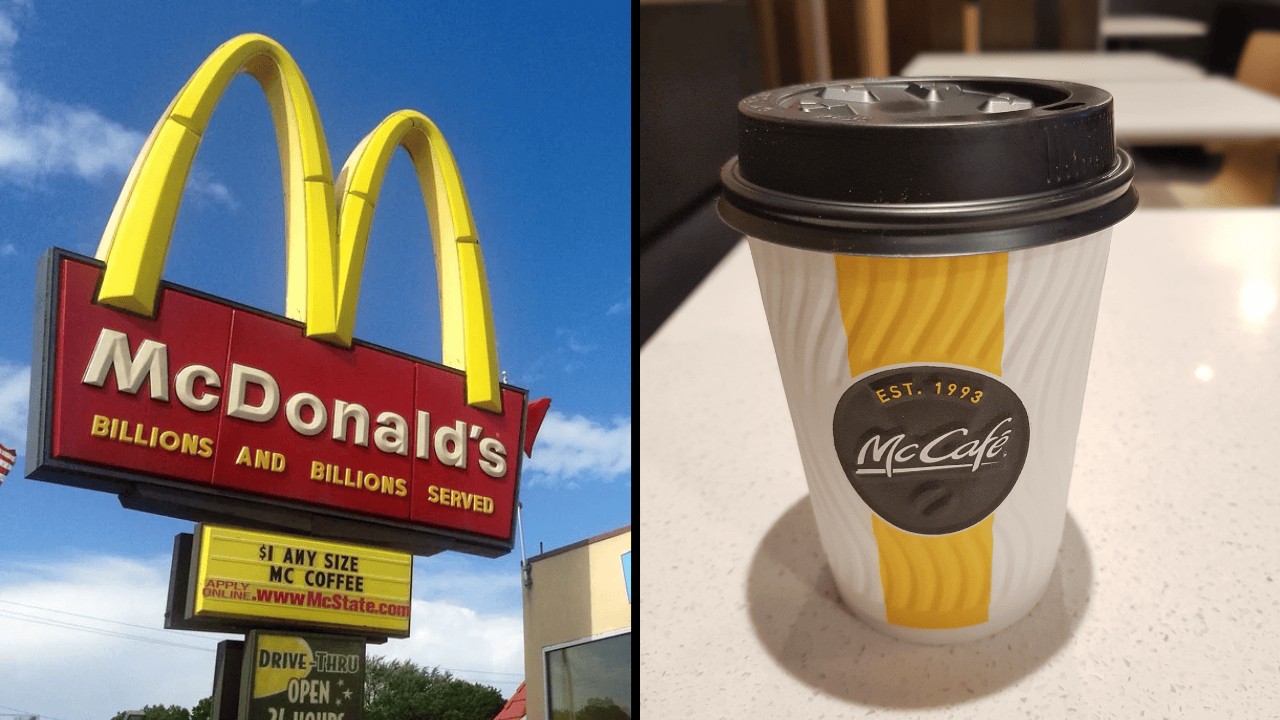
A McDonald’s customer said her coffee cup collapsed inward while she was holding it, spilling hot coffee onto her skin and leaving a burn. Jennifer Lynn alleged that the lid popped off during the incident and said she had previously complained about poorly fitting lids.
In an October 12 Facebook post, Lynn called on McDonald’s to address its hot beverage packaging. “I love their coffee, but customers shouldn’t have to worry about getting burned because of poorly designed cups and lids,” she wrote.
Her complaint concerned whether the container could hold the drink securely during ordinary use. The post described a lid coming off and a cup folding inward, but did not establish what caused either to happen.
The fit had concerned her before the spill
Lynn said she had raised concerns about the lids before this incident. “I’ve complained before about how poorly they fit,” she wrote, without specifying where she complained or what response she received.
Two cups can hold the same amount of coffee and still need different lids. Conversely, one lid can fit several drink sizes. Packaging manufacturer Dart lists compatible cups for its hot beverage lids, giving businesses a way to check the pairing beyond capacity alone.
Coffee cup lid design accounts for more than the opening you drink through. Manufacturer Huhtamaki explains that walking or changing pace makes liquid slosh inside the container. It describes a secure click fit as a feature of its own lids intended to reduce spills and leakage.
McDonald’s says in a U.S. packaging FAQ that it switched from foam to double-walled paper cups in response to environmental preferences and regulations. Lynn’s post did not specify whether she received that type of cup or why hers collapsed.
U.S. customers can submit restaurant complaints through McDonald’s feedback form, while potentially unsafe products can be reported through SaferProducts.gov. These reports can help regulators investigate potential hazards, though a complaint alone does not prove the packaging was defective.
McDonald’s coffee safety has faced scrutiny before
Lynn’s call for McDonald’s to address a burn risk echoes the concern behind Stella Liebeck’s lawsuit. In 1992, the 79-year-old suffered severe burns after spilling coffee while removing its lid in the passenger seat of a parked car in Albuquerque.
Liebeck needed hospital treatment and skin grafts, according to Retro Report’s interviews with her family and attorneys. Her family sought help paying her medical expenses, but McDonald’s offered $800. The case went to trial, where lawyers presented evidence that the company held coffee between 180 and 190 degrees Fahrenheit and had received nearly 700 burn complaints over the preceding decade.
The 1994 jury awarded $200,000 in compensation, reduced to $160,000 after finding Liebeck 20 percent responsible. Jurors also awarded $2.7 million in punitive damages, intended to punish McDonald’s. That wasn’t the amount Liebeck took home. According to Cornell’s Legal Information Institute, the court later proposed reducing that award to $480,000, and the parties ultimately settled for a confidential amount.
Liebeck’s case turned on evidence about the coffee’s temperature and the injuries it caused. Lynn is asking McDonald’s to address the packaging, but the cause of her reported cup collapse and the extent of her burn remain unconfirmed.
Have a tip we should know? [email protected]
Follow The Mary Sue:
