


Lessons from Cornell: Even in 2026, survivors must be perfect to be believed
Systemic failures.
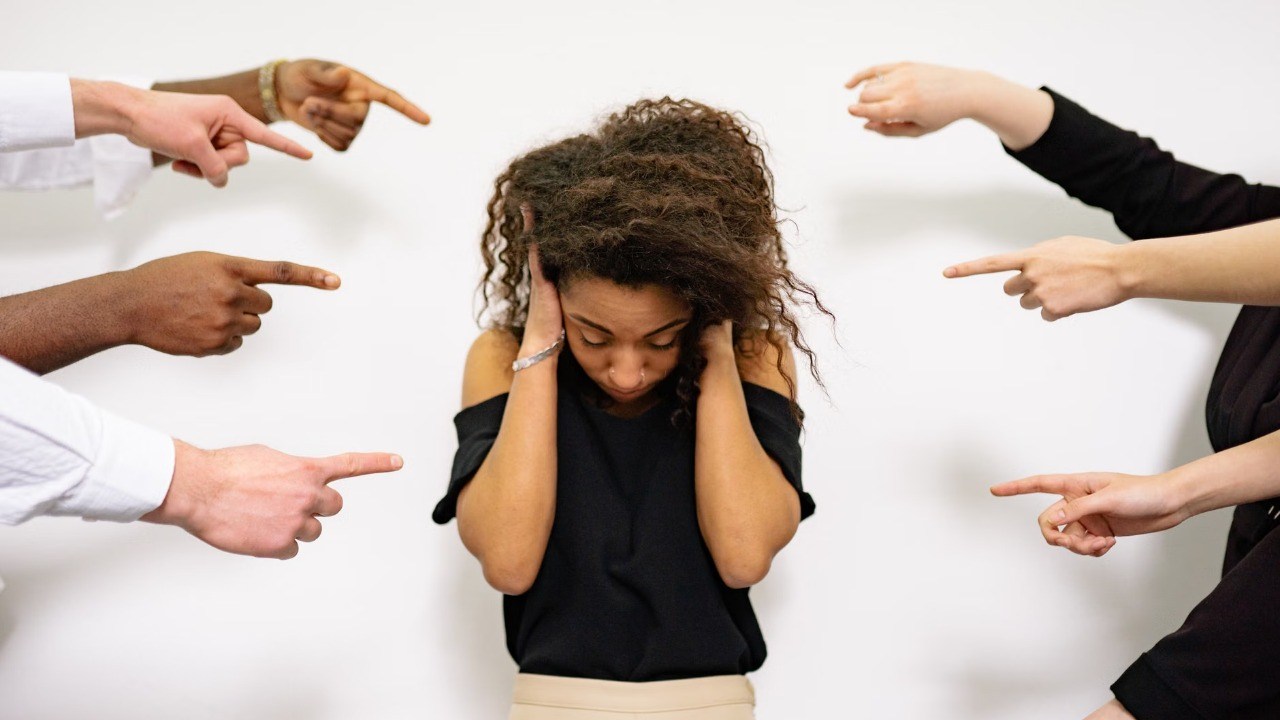
It is 2026. Twenty years have passed since the #MeToo movement began. One might think 20 years is long enough to have let go of outdated, harmful ideas when it comes to believing victims, but the reality is much more sobering. Even today, the ‘ideal victim’ trope remains a massive barrier for survivors of sexual assault. This regressive concept, coined by criminologist Nils Christie in 1986, still dictates who society deems worthy of belief, respect and justice.
The archetype of the ideal victim is someone who is weak, blameless, and attacked in a random act of violence. If a survivor doesn’t fit this narrow mold, they are met with skepticism, victim-blaming, or outright dismissal. According to a 2025 Survivors.org report, roughly 80% of survivors know their attacker, and many incidents involve alcohol or trauma-related memory gaps. Despite these figures, the cultural demand for a perfect, traumatized, and instantly reporting victim persists.
The case of Jane Doe at Cornell University in 2026 is a stark reminder of these systemic failures. Doe alleged she was gang-raped by seven men she knew after she was pressured to take ketamine and had been drinking. Because she had voluntarily consumed substances, initial police and prosecutors declined to pursue charges. They leaned on a New York state loophole regarding voluntary intoxication.
Jane Doe’s statement has been heavily scrutinized for inconsistencies
Even celebrities like Sunny Hostin, a panelist on The View, added to the criticism. According to Entertainment Weekly, Hostin said of the victim, “She allowed other boys and consented to other boys snorting ketamine off of her body, and under New York law, voluntary intoxication or drug use that merely impairs judgment does not legally constitute an inability to consent to sexual activity.”
Hostin then added that she believed women but in the case of Jane Doe, “in 2024 she said one thing, and in 2026 she’s saying another thing.” Interestingly, Hostin, a former federal sex crimes prosecutor, also highlighted how rape is one of the most under-reported crimes in the country, because women fear not being believed. Her critical take met with severe backlash. Many said she was defending the accused Cornell 7 over the ‘inconsistencies’.
Researchers have said that such inconsistencies are common trauma responses rather than signs of dishonesty. Jane Doe spoke out in 2024 but it wasn’t until her 2026 civil suit and significant public outcry that officials reopened the investigation.
This situation highlights a dangerous pattern. When survivors report, they are often treated as suspects rather than victims. Investigators frequently fail to review text messages or social media evidence. According to NPR, police decline to investigate such evidence in about 80% of cases involving acquaintances. This leaves survivors feeling that the system is designed to fail them.
The internal, emotional cost for these survivors is immeasurable
A study by George Mason University speaks about a ‘Survivors’ Calculus’, where victims must weigh the immense risks of reporting against the likelihood of being believed. They consider the emotional toll, the potential for retraumatization, and the reality that justice is rarely achieved. As writer Alison Murphy noted in the LA Times, the criminal justice system is often better described as a “criminal legal system.” Justice is frequently aspirational, while the process of reporting is grueling and invasive.
Murphy details how when you go to an ER to report an assault, you may be asked to undergo a forensic exam. This involves having photos taken of your naked body, having hair combed and nails scraped, and enduring invasive questions from individuals who may not be trained in trauma-informed care.
Survivors are then expected to recount these traumatic events with perfect accuracy, often multiple times, in front of strangers. If their case moves to trial, they must then face these questions again while a defense attorney attempts to dismantle their credibility.
Data from RAINN shows that while 89% of reported cases are considered “founded” by investigators, only 8% actually result in a conviction. This statistical reality makes it entirely understandable why so many survivors choose not to report. They aren’t just facing the trauma of the assault; they are forced to take on the unpaid, exhausting job of proving their own innocence.
The ‘perfect victim’ has many other boxes to check too
The trope suggests that a survivor must be visibly upset, never use substances, and always fight back physically to be believed. It is common knowledge that biology often forces the brain into “fight, flight, freeze, or fawn” modes, none of which are under the victim’s conscious control. Demanding that a survivor act in a specific way ignores the reality of how trauma affects the brain and memory.
Institutional barriers like these are entrenched. While some states have made progress by closing intoxication loopholes or removing outdated reporting requirements for compensation funds, the broader culture remains judgmental. This becomes obvious in the way the public asks, “What were they wearing?” or “Were they drinking?” These questions only uphold the myth of the ideal victim and protect the status quo.
Real progress will require more than just updated policies. A fundamental shift in how survivors are treated from the moment they come forward is a good place to start. Trauma-informed training for all police and campus officials is another crucial step.
Dave Thompson, certified forensic interviewer and consultant who trains investigators in interrogation techniques, told NPR, “Our memories don’t work like a video recorder that we can just rewind, hit play and remember from start to finish. We might remember the sound. The feeling of an impact. Maybe a scream. We remember bits and pieces.”
Every survivor deserves support, regardless of whether or not they fit a narrow, outdated archetype. By holding survivors to such an impossible standard, we make it harder for them to seek the help they need. We owe it to them to provide compassionate support systems and the agency to decide for themselves what their path to recovery looks like.
This is an opinion piece. The views expressed in this article are those of just the author.
Follow The Mary Sue:
