


Kamala Harris tells Keke Palmer the President is terrified of what the American people might find out: ‘Fragile ego’
Lack of transparency.
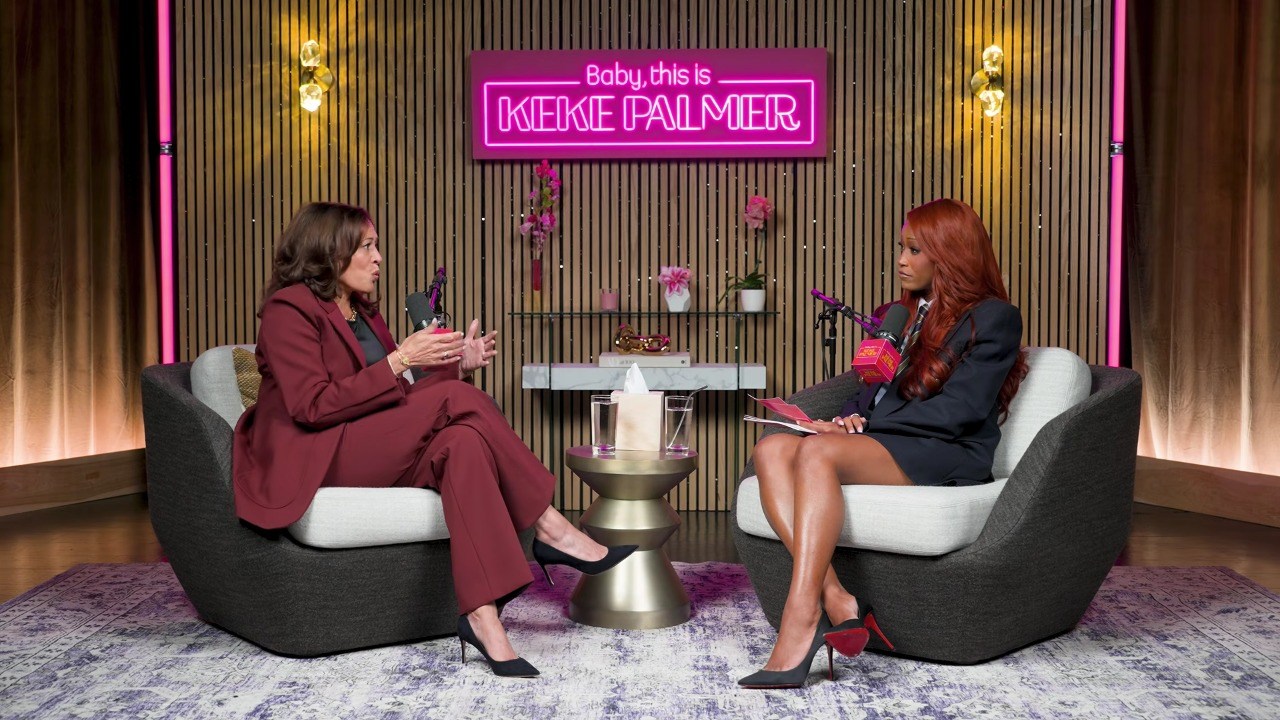
Kamala Harris recently directed sharp criticism toward President Donald Trump regarding his restrictions on White House press access, suggesting he should resign from his position if he prefers to operate without journalist oversight. According to The Hill, Harris shared these thoughts while speaking with Keke Palmer on her podcast Baby, This is Keke Palmer on October 13, 2026.
Harris was speaking about the recent decision by the Trump administration to revoke the credentials of several news organizations. Back in September, the White House barred CNN, MS NOW, and Politico from accessing the complex. Trump claimed the move was a result of their “constant ‘reporting’ FAKE NEWS”. Harris argued that this behavior highlights a significant issue with the current leadership style. She told Palmer that the administration is clearly hiding behind these barriers.
During the podcast episode, Harris offered a blunt assessment of the President’s motivations. She stated, “If you want to do things in secret, then why don’t you just leave the White House?” This remark highlights her frustration with the lack of transparency. She believes the current environment prevents the public from understanding the reality of government operations.
Harris also addressed the psychological aspect of these restrictions
She noted that the situation demonstrates the President has a fragile ego. She argued that he cannot tolerate major news outlets listening to his words. Furthermore, she suggested he cannot handle them watching his daily actions. It is a bold take on how the administration handles public scrutiny.
The former Vice President did not hold back on her assessment of the potential consequences. She claimed that the President is afraid of what the American people might discover. She specifically mentioned the incompetence, the cruelty, and the corruption that she believes is coming out of that administration. According to Harris, that level of exposure scares the leadership team.
She posed a pointed question to the audience during the interview. “If you can’t stand people to watch what you’re doing and listen to what you’re saying, one has to ask — what are you doing?” This reflects her broader argument that public accountability is essential for any democratic leader. She feels that the President is fundamentally in the wrong place if he cannot handle the requirements of the job.
The conflict triggered a significant legal and professional response
Major networks including ABC, CBS, CNN, NBC, and Fox News staged a temporary protest. They refused to provide pool coverage of the President to show solidarity with the affected outlets. This unified front highlights the severity of the situation for media organizations.
The White House also took the step of blocking CNN and Politico from participating in travel assignments. This included being barred from the press pool aboard Air Force One. These actions have effectively cut off key avenues for direct observation by the press. Many observers see this as a direct attempt to control the narrative.
Legal developments have provided a temporary reprieve for the affected journalists. On Tuesday, October 13, U.S. District Judge Timothy Kelly issued a ruling. Kelly is a Trump appointee who ultimately sided with the news outlets. The judge ordered an extension of a temporary injunction on the ban. This allows the lawsuit over access to proceed without the immediate threat of exclusion.
The judge concluded that revoking the credentials likely violated the constitutional rights of the journalists. This legal battle remains a central point of contention for the administration. Harris, who lost to Trump in the 2024 presidential election, continues to view the ban as an effort to shield the government from scrutiny. She has consistently maintained that the public has a right to know the truth.
This is not the first time Harris has voiced these specific concerns
According to Revolt, last month, while she was in Michigan supporting Senate candidate Abdul El-Sayed, she told reporters that the 47th president was afraid of the voice of the people. She argued that he is actively trying to stifle the ability of journalists to report on the government.
The discussion on the podcast also touched on the broader implications for the American public. Harris explained that the administration is likely trying to convince people that everything is okay. She noted, “So, what’s the best way to convince people that everything is OK? Don’t let them know what’s going on.” This strategic silence is what she finds most concerning.
The interview with Keke Palmer covered various other topics as well. They discussed the importance of the Black vote and potential future political ambitions. However, the focus on the press ban remained a highlight of the conversation. Harris made it clear that she believes the current administration is failing the standards of transparency.
You can expect this legal battle to continue as the lawsuit moves forward. The clash between the White House and the media remains a significant issue for the public. Harris seems determined to keep the pressure on the President regarding these restrictions. Her message to him is simple. She believes he should leave if he cannot accept the scrutiny that comes with the office. It is a strong stance that will likely keep the debate alive for the foreseeable future.
Have a tip we should know? [email protected]
Follow The Mary Sue:
