


Fort Hood survivor was shot seven times and wants the gunman executed. Even he questions the Pentagon’s plan to livestream it
He survived seven gunshot wounds and plans to witness Hasan's execution himself. But he doesn't think the entire country needs to watch.
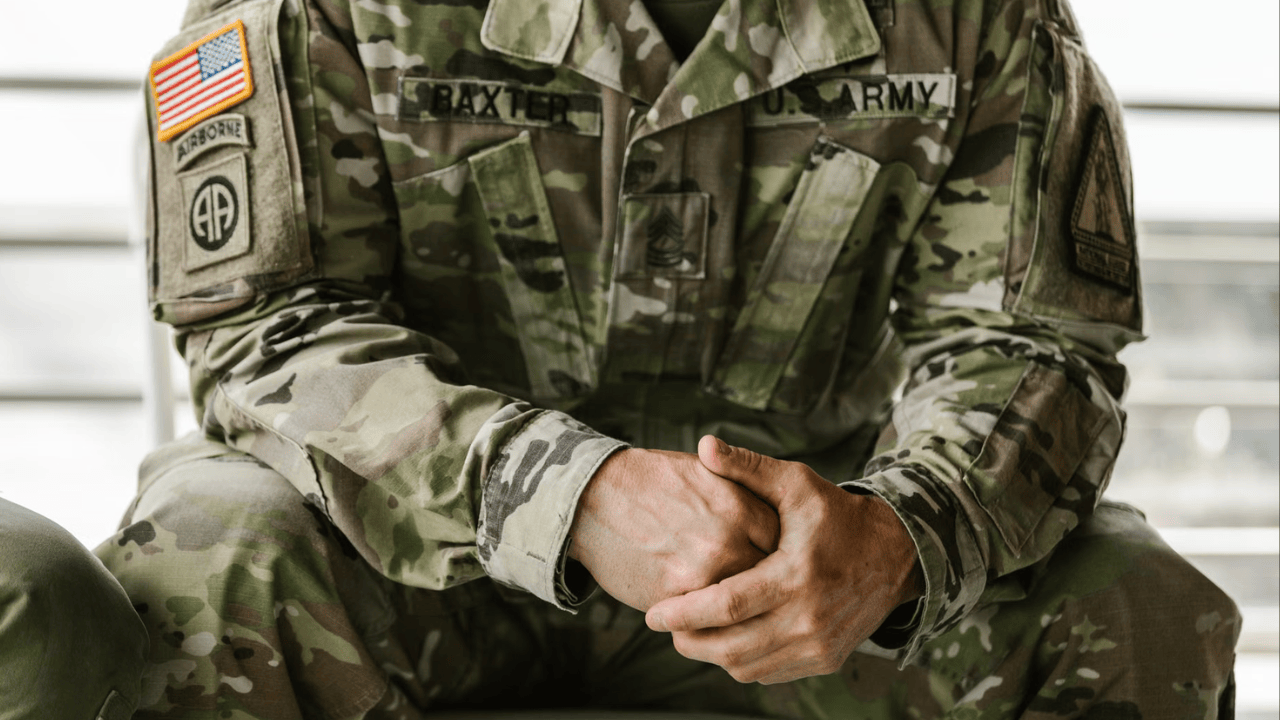
Alonzo Lunsford survived seven gunshot wounds during the 2009 Fort Hood shooting, and he wants the man responsible executed. But the former Army sergeant doesn’t agree with the Pentagon’s plan to livestream Nidal Hasan’s execution for the public to watch. Lunsford intends to attend himself but worries about what broadcasting the entire event could mean for children and others watching from home.
Speaking with the BBC on October 9, Lunsford said Hasan deserved the punishment for killing 13 people and wounding 32 others at the Texas military base. He believes survivors and victims’ families should be able to witness the execution, but questions why the military wants to make it available to everyone.
Defense Secretary Pete Hegseth announced that Hasan would face a firing squad at Fort Hood on December 3 at 1 p.m. The Pentagon later confirmed plans to livestream the execution, drawing criticism from lawmakers in both parties. The announcement has also raised legal questions because existing military regulations limit who can witness an execution.
Lunsford wants Hasan to look him in the eyes
Lunsford was inside Fort Hood’s medical processing center when Hasan opened fire on November 5, 2009. He told the BBC he was just steps away from an exit when he was shot above his left eye. Two more shots struck his back as he tried to reach cover, where he pretended to be unresponsive until Hasan moved away.
He later helped another wounded soldier outside, only to encounter Hasan again. Lunsford survived seven gunshot wounds and has continued speaking publicly about the attack.
Asked about the upcoming execution, Lunsford said he supported using a firing squad and considered lethal injection too lenient. He didn’t believe Hasan deserved a more lenient method after what happened at Fort Hood.
‘To show the whole thing without it being censored for the general public. For me personally, I don’t agree with that,’ Lunsford told the BBC.
He questioned what message an uncensored execution might send to younger viewers. Still, he wants survivors and victims’ families to have the opportunity to witness Hasan’s punishment. He plans to attend and wants Hasan to look him in the eyes before the sentence is carried out.
Lunsford also said his Christian faith helped him forgive Hasan. He explained that forgiveness was necessary for his own healing, although it hadn’t changed his support for the death sentence.
The Army already has rules about who can watch an execution
Hegseth defended making Hasan’s execution public, arguing that people should understand the consequences of his actions. However, the Army already has rules limiting who can witness an execution.
Under Army Regulation 190-55, authorized witnesses include military personnel, selected journalists, surviving victims, and victims’ families. The regulation requires at least two media witnesses and prohibits anyone under 18 from attending, a restriction relevant to Lunsford’s concerns about younger viewers.
The rules don’t establish a procedure for public livestreams. Although the Army can approve certain exceptions, the Pentagon hasn’t explained what legal authority it would use to broadcast Hasan’s execution.
The proposal has drawn bipartisan criticism. Republican Sen. Thom Tillis supports Hasan’s death sentence but opposes making the execution public. Democratic Sens. Chris Murphy and Patty Murray also condemned the livestream.
Hasan could still seek review in civilian federal courts. That stands to potentially delay the December 3 execution.
Lunsford plans to attend and believes other survivors and victims’ families should have that opportunity. His concern is with making the execution available for the general public to watch.
Have a tip we should know? [email protected]
Follow The Mary Sue:
