


Donald Trump Admin Narrows an Endangered Species Act Rule That Could Allow More Habitat Destruction
Reversing a necessary precedent.
The Trump administration just finalized a major rollback of the Endangered Species Act, and environmental groups are already fighting back in court. According to NPR, at the heart of the change is a single word, “harm,” which for decades has been interpreted to include habitat destruction that threatens protected species. Now, federal agencies have officially rescinded that definition, a move critics say could open the door to more development in critical wildlife areas.
The rule change, announced Friday, July 10, 2026, and published in the federal register Tuesday, July 14, takes effect September 14. Within hours, Earthjustice and more than half a dozen other environmental groups filed a lawsuit in Seattle, arguing the administration’s decision is legally flawed and biologically reckless.
The Swinomish Indian Tribal Community and the Squaxin Island Tribe also sued. They warned that the move will accelerate the decline of salmon in Puget Sound, where habitat loss has already devastated fish populations.
The government says the change brings in more clarity
Secretary of the Interior Doug Burgum, however, framed the change as a win for landowners and economic clarity. “This action restores common sense, respects private property, provides much-needed certainty for landowners and follows the statute Congress actually passed,” he said in a statement.
A representative for NOAA Fisheries echoed that sentiment, calling the rule a way to “reduce unnecessary or duplicative permitting requirements, cutting compliance costs, and eliminating confusion for Americans.”
But environmental attorneys see it differently. Kristen Boyles, an Earthjustice lawyer, called the decision “unreasoned and unreasonable,” arguing it contradicts the core purpose of the Endangered Species Act. “The agencies haven’t explained themselves adequately,” she said.
“Making this kind of dramatic change doesn’t make any legal sense because it goes against the fundamental purpose and spirit of the statute itself.” She predicts the rule will trigger a flood of lawsuits as developers and conservationists clash over what “harm” actually means.
The Act has protected wildlife since 1973
The Endangered Species Act has been a cornerstone of U.S. environmental policy since 1973, when President Richard Nixon signed it into law amid growing public concern over vanishing wildlife. The law was designed as an emergency measure to prevent extinctions, with strict protections for species and their habitats.
One of its key provisions prohibits the “taking” of endangered species, a term the Fish and Wildlife Service expanded to include not just direct harm like hunting or trapping, but also habitat destruction that disrupts feeding, breeding, or shelter.
Holly Doremus, an environmental law professor at UC Berkeley, explained that the original interpretation was deliberately broad. “The agency wasn’t restricting the action of simply shooting a critter,” she said. “They wanted to be clear that if you, for example, removed the place where it nests, even if it was not there at the time, you would be hurting it.” The logic was simple: damage a species’ habitat, and you’re effectively harming the species itself.
That interpretation held up in court
This was most notable in the 1995 Supreme Court case Babbitt v. Sweet Home Chapter of Communities for a Great Oregon. The timber industry had sued over restrictions on logging in areas critical to the northern spotted owl, arguing the rules were financially crippling.
In a 6-3 decision, the justices sided with the government, ruling that habitat modification does count as “harm” under the Endangered Species Act. Justice Antonin Scalia dissented, calling the definition a “ruthless dilation of the word” that stretched its meaning beyond reason.
Now, the Trump administration’s rule change effectively reverses that precedent. Industry groups, including the American Petroleum Institute and the Associated General Contractors of America, have praised the move, calling it a long-overdue correction. Holly Hopkins, a senior director at the American Petroleum Institute, said the group supports “commonsense ESA policies that both protect wildlife and support American energy leadership.”
Environmentalists are sounding the alarm
But conservationists warn the change could have devastating consequences. Tara Zuardo, a senior campaigner at the Center for Biological Diversity, pointed out that habitat loss is the leading cause of extinction.
“For most all species, the number-one driver of extinction is damage and harm to their habitat, whether that’s grazing, whether that’s pollution, whether that’s climate change,” she said. “So if you’re no longer counting that as harm under the law, you’re not going to be able to protect any of the listed species.”
The legal battle over the rule is just beginning. Boyles expects years of litigation as courts weigh the administration’s interpretation against decades of precedent. In the meantime, she says the change will create chaos for developers, regulators, and conservationists alike.
“The one thing that this repeal of this rule is going to certainly do is cause complete confusion in the regulated community,” she said. “And it’s going to cause an increase in litigation over each and every project that’s proposed that doesn’t protect habitat.”
The Endangered Species Act has always been contentious, balancing economic interests against the survival of vulnerable species. But this latest rule marks one of the most significant shifts in its history, one that could reshape how, and if, critical habitats are protected. For now, the courts will decide whether the administration’s move stands, or if the law’s original intent will prevail.
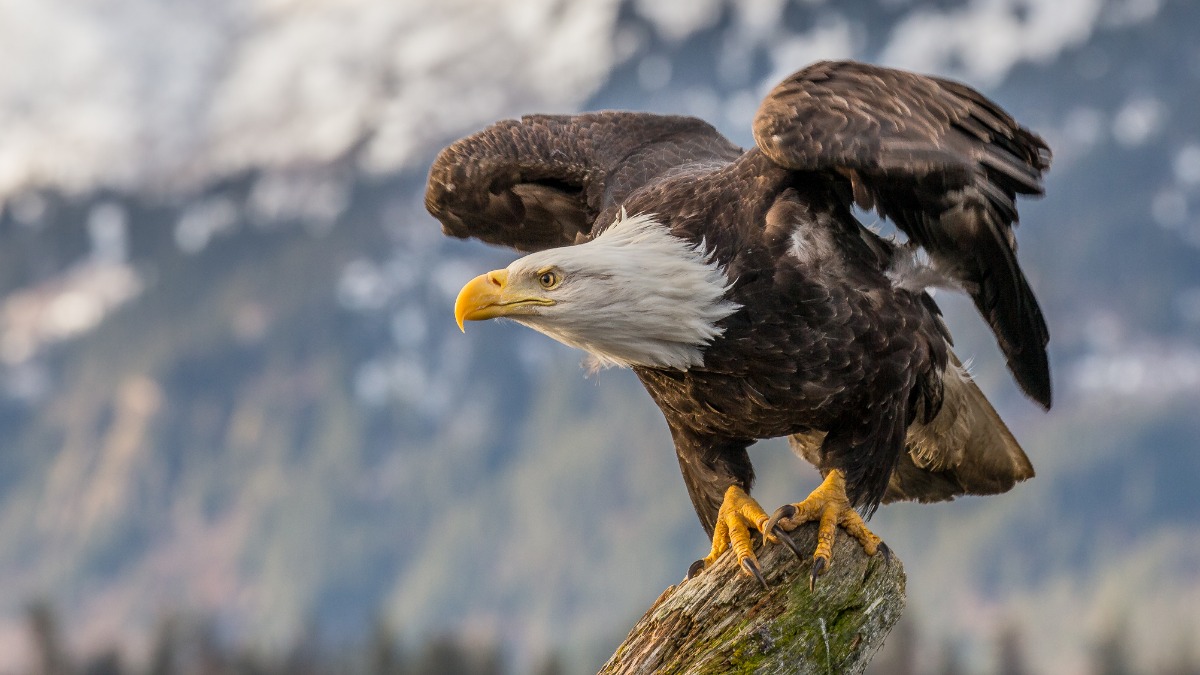
(Featured image: Andy Morffew from Itchen Abbas)
Have a tip we should know? [email protected]
Follow The Mary Sue:
