


World Cup Teams Are Marking off Danger Zones as a Sudden Surge of Venomous Wildlife Sightings Forces Players to Watch Their Feet Instead of the Ball
Unwanted visitors.
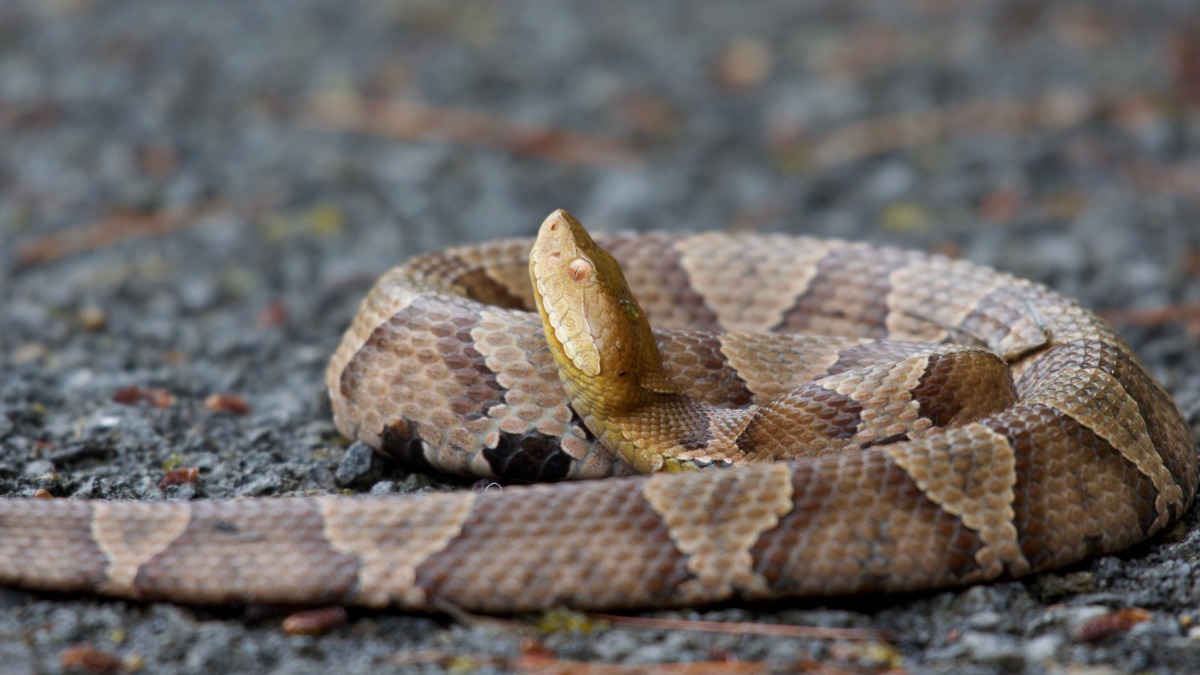
The 2026 FIFA World Cup teams are suddenly more worried about what’s slithering underfoot than their next match. According to PEOPLE, a venomous copperhead snake was spotted on the training field of the German Men’s National Team in Winston-Salem, North Carolina, forcing players to scan the grass before every step instead of focusing on their game.
Joshua Kimmich, the team’s captain, said the sighting has left players on edge. “We saw a snake yesterday, we were told it was venomous. If you get bitten, you have to go to the hospital,” he told BBC Sport. “I don’t think you’ll die, but it’s certainly dangerous. I have the feeling that if you step on a snake like that, it can end badly.”
The copperhead is the most common venomous snake in North Carolina, according to the state’s Wildlife Resources Commission. Kimmich admitted the situation stopped being funny fast once the team learned what could happen if someone was bitten.
Germany isn’t the only team dealing with this unexpected hazard
Switzerland and Norway have also reported concerns about venomous wildlife near their training bases. The Swiss team, which drew 1-1 with Qatar in their opening match, has even marked off a designated “snake area” at their facility in San Diego. The area is home to four species of rattlesnakes, including the Southern Pacific rattlesnake, which is venomous but rarely fatal with proper medical treatment.
Norway, training in Greensboro, has encountered copperheads as well. Captain Kristian Thorstvedt wasn’t thrilled. “I’m not happy at all to hear that,” he said.
Kimmich said the distraction is taking focus away from what really matters. “In Germany, you worry about tactics, injuries, and your next opponent. Here, you also have to think about what might be hiding in the grass,” he said. “That’s why we’re trying to keep our distance from animals here. I have respect for the people here. In Germany, I have the feeling there aren’t so many dangerous animals.”
The concern is real enough that players are now watching their feet more than the ball. “We’re here trying to prepare for the biggest tournament in football, and suddenly players are looking at the ground before every step they take,” Kimmich added.
The issue isn’t just limited to North Carolina
San Diego’s climate and terrain make it a hotspot for rattlesnakes, which are active year-round in the region. The Southern Pacific rattlesnake, one of the species near the Swiss team’s base, is known for its distinctive rattle and can be found in a variety of habitats, from coastal sage scrub to mountainous areas.
While bites are uncommon and rarely fatal, they can cause severe pain, swelling, and tissue damage if left untreated. Local wildlife officials advise staying on clear paths, wearing closed-toe shoes, and avoiding tall grass where snakes might hide. For the Swiss team, the situation has even become a bit of a running joke. The team has joked about the snakes on social media, though the humor likely masks some genuine unease.
Norway’s experience in Greensboro hasn’t been much better. Copperheads, while not as aggressive as some other venomous snakes, are known for their camouflage, which makes them hard to spot in leaf litter and grassy areas. According to AS USA, the City of Greensboro’s website notes that copperheads are “very common” in the area, a fact that didn’t sit well with Thorstvedt when he was informed.
The World Cup, which kicked off on June 11 and runs through July 19, is always full of unexpected stories. But few could have predicted that snakes would become a major talking point before the tournament even reached its halfway mark. Teams are used to dealing with injuries, fatigue, and tough opponents, but venomous wildlife is a new challenge.
Kimmich’s concerns about the distraction are valid
Players are trained to focus on the game, not on avoiding snakes during drills. The added stress could impact performance, especially for teams already under pressure to advance in the tournament. The good news is that most snake encounters can be avoided with a little caution. Wildlife experts recommend staying on well-trodden paths, avoiding tall grass, and being extra vigilant during warmer months when snakes are more active.
For the World Cup teams, that means adjusting their training routines to minimize risk. The Swiss team’s decision to mark off a “snake area” is a practical step, but it’s not a perfect solution. Snakes don’t respect boundaries, and players will still need to stay alert.
The situation has also highlighted the differences between European and North American wildlife. Kimmich admitted that in Germany, dangerous animals aren’t something players have to worry about. The same goes for Norway and Switzerland, where venomous snakes are rare or nonexistent. The adjustment hasn’t been easy.
(Featured image: U.S. Fish and Wildlife Service – Midwest Region)
Have a tip we should know? [email protected]
Follow The Mary Sue:
