


Zohran Mamdani Just Pulled the Plug on AI in NYC Elementary and Middle Schools, Forcing a Massive Shift in Classroom Tech Policy
Protecting the human element in education.
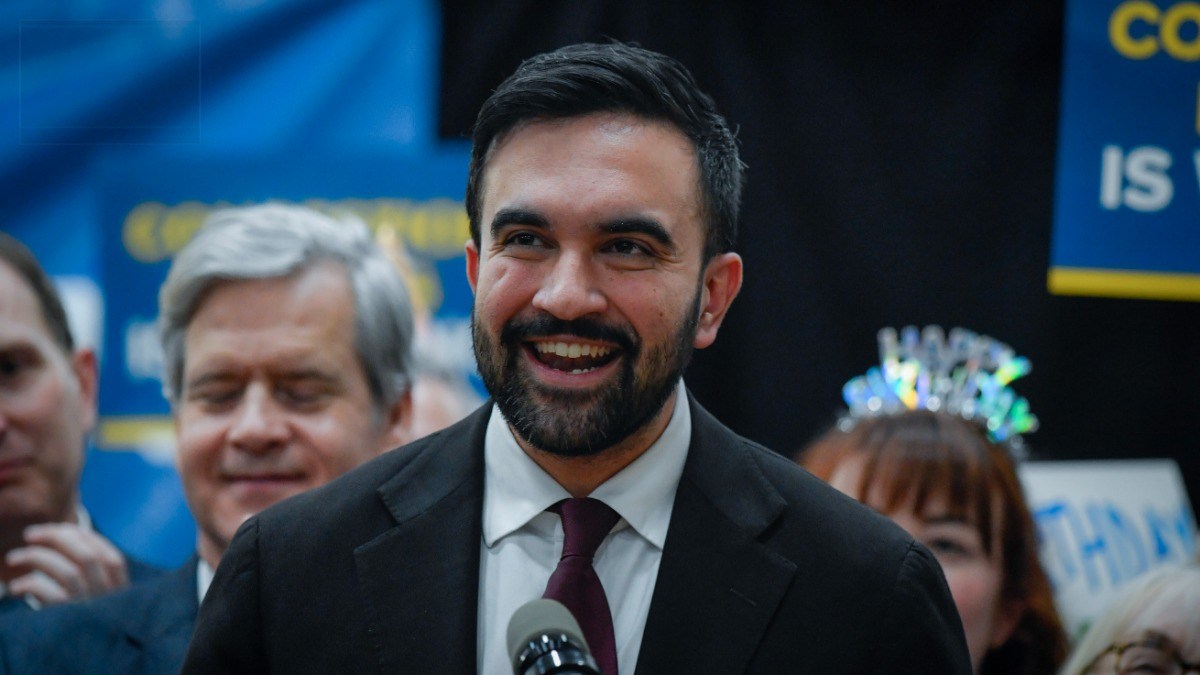
New York City is hitting the brakes on generative artificial intelligence in the classroom. According to The Hill, Mayor Zohran Mamdani announced a one-year moratorium on student-facing generative AI for public school students from 2-K through eighth grade, a move that is reshaping the tech landscape just before the new academic year kicks off on September 10.
This policy, developed alongside Schools Chancellor Kamar H. Samuels, stands as the most expansive restriction of its kind in the nation. It reflects a growing skepticism toward the rapid integration of AI tools that many educators feel have outpaced our ability to manage them safely. The new rules represent a fundamental shift in how the city approaches classroom technology.
While generative AI is being removed from the daily experience of younger students, high schoolers will see a different approach. Starting in the 2026-27 school year, high school students will participate in two AI critical thinking modules. These 45-minute sessions are designed to introduce students to the realities of the technology, including bias, risks, ethical considerations, and how AI might impact their future careers.
The move recognizes the need to prepare students of all ages for the reality of living in a world with AI
Mayor Mamdani has been very clear about the motivation behind this pivot. He believes that children require teachers and genuine human interaction to truly learn and grow. At a press conference, he emphasized that students need to build relationships with their educators and work through difficult problems on their own.
He noted that the tech industry often pushes the narrative that AI in early education is both inevitable and necessary, but the administration clearly disagrees. As he put it, “They need to develop skills alongside their peers, build relationships with their teachers and wrestle with tough problems on their own.”
A press release from the Mayor’s office states that the policy also introduces specific screen time restrictions to ensure that technology is used intentionally. Students in second grade and below will face restricted one-to-one screen time. For students in third through fifth grade, there is a recommended cap of 30 minutes per day, while students in sixth through eighth grade are limited to 45 minutes. These limits are part of a broader effort to prioritize the human element of education.
For high schoolers, the policy allows for limited AI pilot programs in a maximum of five classes per school. These pilots will be strictly supervised by trained teachers and involve only carefully vetted tools. The goal is to keep the student as the primary thinker in the classroom.
Programs like Quill, which supports close reading, and Edia, which provides math coaching, are among those selected. Each tool has strict time limits, often ranging from 15 to 20 minutes per week, to ensure that AI remains a supplement rather than a substitute for learning.
The decision to implement this moratorium follows a study released by IBM
The study revealed that AI application in K-12 classrooms is moving much faster than the training provided to teachers. The survey indicated that while a significant portion of students and teachers are already using AI weekly, only 2 in 10 educators reported receiving extensive literacy training.
This gap in preparedness is exactly what the new Technology in Schools Coalition aims to address. Throughout the 2026-27 school year, this group – comprising students, parents, teachers, and experts – will assess the impact of these new rules and issue recommendations for the future.
Chancellor Kamar H. Samuels echoed the Mayor’s sentiments, highlighting the importance of protecting the curiosity and creativity that define the student experience. He emphasized that innovation shouldn’t be confused with simply adding more technology to the classroom.
“We’re putting guardrails in place to protect the human connection, curiosity and creativity that help children grow,” he said. “We’re standing firmly in our belief that innovation does not mean more technology, and over the next year, we will lead with evidence to make sure technology serves learning — not the other way around.”
The change makes for certain allowances
Teachers are still permitted to use AI for operational tasks and instructional planning, provided the tools meet safety standards. Additionally, there are exceptions for students with disabilities or those in specific career readiness programs where assistive technology is essential. The administration is taking a nuanced path, aiming to balance the need for tech literacy with the preservation of foundational educational practices.
As the school year approaches, the focus remains on ensuring that technology serves the students, rather than forcing them to adapt to tools that haven’t been fully vetted for the classroom. The city is looking to lead by example, proving that you can prioritize student well-being while still preparing them for a fast-evolving technological future.
(Featured image: Metropolitan Transportation Authority)
Have a tip we should know? [email protected]
Follow The Mary Sue:
