


Chicago Therapist Warns That Gen Z and Alpha Are Missing a Critical Developmental Stage That Will Haunt Their Adult Lives
‘Put the phone down.’
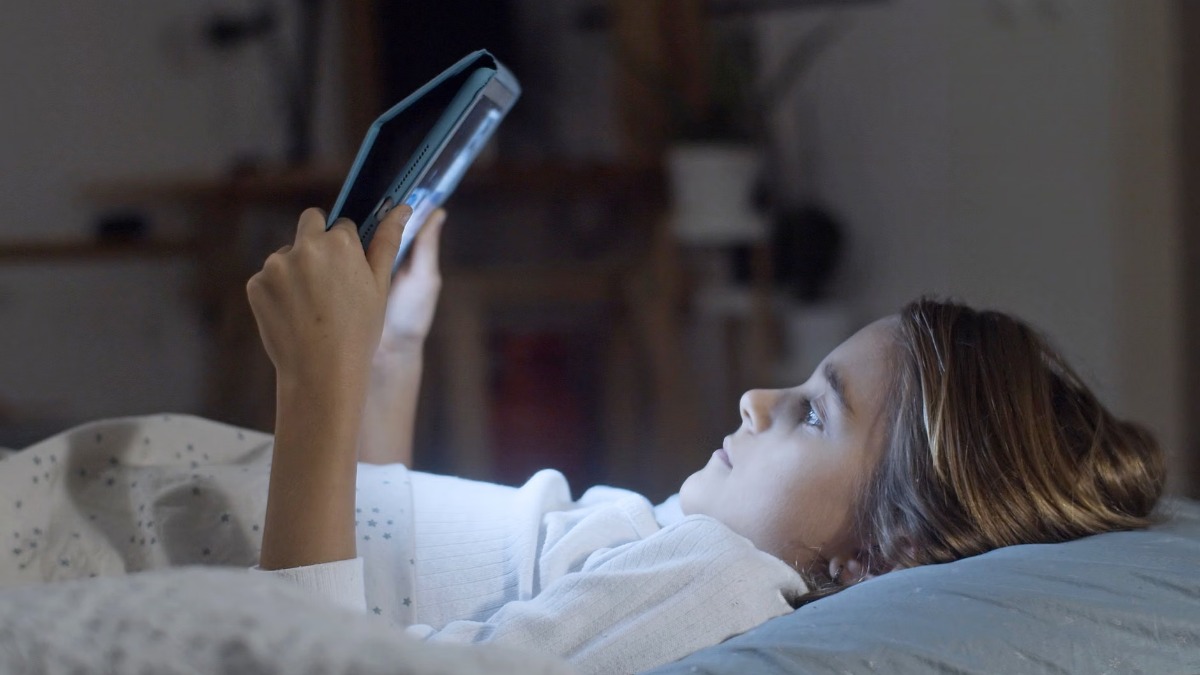
Chicago therapist Hattie Awe just dropped a reality check that should make every parent and teen sit up and pay attention. According to Awe, Gen Z and Gen Alpha are missing out on a critical developmental stage that could seriously mess with their emotional well-being as adults. The culprit? They’re not bored enough. Awe, a family therapist based in Chicago, is sounding the alarm about a cultural shift that’s leaving teenagers without a key life skill.
She told Newsweek that the lack of downtime is robbing adolescents of their sense of exploration and adventure. Instead of picking up a book, diving into a hobby, or daydreaming, teens are reaching for their smartphones the second they feel even a hint of boredom. And Awe believes this constant stimulation is doing more harm than good. The problem isn’t just that teens are distracted – it’s that they’re missing out on what Awe calls “constructive boredom.”
This is the kind of boredom that leads to creativity, self-reflection, and even those lightbulb moments when your mind wanders freely. “To sit with boredom is a prerequisite to finding your purpose,” Awe says. “Aimless time creates art, fashion, discourse, revelations, understanding, perspective. It allows us to wander into what drives us. Emotional insight and reflection happen when we are allotted time to sit with it and explore.”
Instead of embracing boredom, teens are defaulting to endless scrolling
Awe argues that this constant distraction is effectively removing any opportunity for emotional processing or self-discovery. And it’s not just about missing out on creativity. It’s also warping how young people think.
With social media at their fingertips, teens aren’t just comparing themselves to their friends anymore. They’re comparing themselves to millions of people online, which Awe says floods them with external reactions and makes it harder to distinguish their own thoughts from what they’re consuming. The digital paper trail is another concern.
Awe believes that Gen Z and Gen Alpha are more conscious of what they post online, which might be making them less spontaneous and adventurous. They’re not just living in the moment – they’re curating it for an audience. And that’s a problem because, as Awe puts it, “For teenagers (wherein peer and social relationships and being accepted are largely important), it can be hard to differentiate what other people think versus the individual ingesting the content.”
So what’s the solution?
Awe’s advice is simple: put the phone down. She suggests setting specific times for scrolling and otherwise embracing boredom. “Train the brain to find comfort in existing, without music or stimulation, just watching,” she said. “Pick up a hobby, it could be something creative, active, intellectual, or something to do with others.” The goal isn’t to eliminate screen time entirely but to create space for the kind of unstructured downtime that fosters creativity and self-reflection.
The science backs Awe’s opinion. Research has shown that doing nothing can actually be good for your brain. A study published in Psychology Today found that taking breaks where you do absolutely nothing can improve focus, creativity, and even learning.
In one experiment, students who took unstructured, tech-free breaks paid more attention during subsequent lessons compared to those who didn’t take a break at all. Another study found that piano players who took short breaks after practicing showed improved performance, with brain scans revealing activity in the hippocampus, the area responsible for memory.
The benefits don’t stop there
Boredom can be a catalyst for creativity, pushing people to explore new ideas or hobbies. It’s also a chance for emotional processing, giving your brain the space to focus on experiences and insights. But in a world where smartphones are always within reach, that space is disappearing. Awe’s warning isn’t just for teens though.
The constant need for stimulation is rewiring how we think, and not necessarily for the better. If you’re always distracted, you’re not giving your brain the chance to process emotions, generate ideas, or even just relax. And that’s a problem because, as Awe points out, some of the best ideas come from those moments of quiet reflection.
So what can you do if you’re part of Gen Z or Gen Alpha, or if you’re a parent trying to help your kids? Start small. Set aside time each day to put the phone away and just be. It might feel weird at first, but that’s the point. Boredom isn’t something to fear – it’s something to embrace. Whether it’s picking up a new hobby, going for a walk without your phone, or just sitting quietly, those moments of downtime could be the key to unlocking creativity, self-discovery, and even a sense of purpose.
Awe’s message is clear: the next time you’re bored, don’t reach for your phone. Sit with it. Let your mind wander. You might be surprised by what you come up with. And if you’re a parent, encourage your kids to do the same.
(Featured image: Kampus Production on Pexels)
Have a tip we should know? [email protected]
Follow The Mary Sue:
