


Disney Fires Back at FCC After Sudden License Crackdown, Calling It a ‘Clear Warning to Every Broadcaster in America’
An attack on editorial independence?
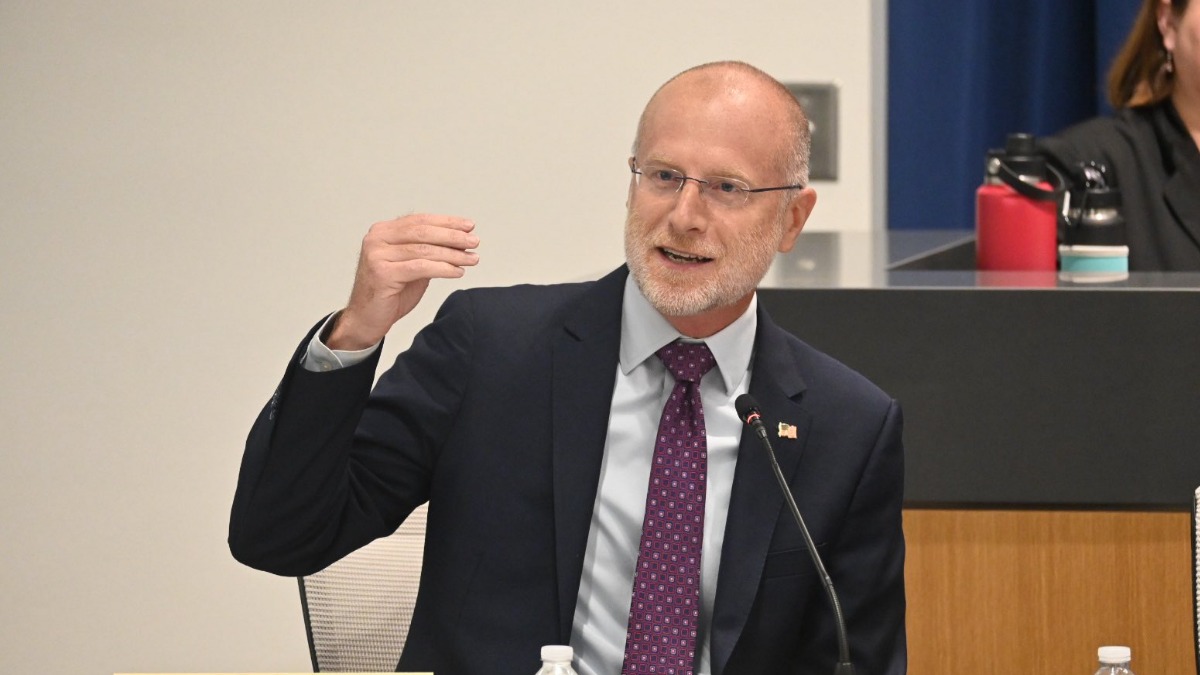
Disney just fired back at the Federal Communications Commission (FCC) in a legal filing, calling the agency’s sudden crackdown on ABC license renewals a “clear warning to every broadcaster in America” and accusing the Trump administration of trying to “suppress speech” through regulatory intimidation. The response, filed under protest for WABC-TV in New York, labels FCC Chairman Brendan Carr’s order “unlawful, arbitrary, and unconstitutional”.
According to Fox News, Carr has demanded that eight Disney-owned ABC affiliates file early license renewals to prove they’ve been operating in the public interest, despite their current licenses not expiring for years. Disney’s filing argues this isn’t routine oversight but a deliberate attempt to weaponize bureaucracy against “disfavored editorial voices.”
The company warns that if broadcasters start self-censoring to avoid regulatory retaliation, the public loses access to journalism free from government influence. “A press that edits itself to avoid government displeasure is not a free press,” the filing states, hammering the point that the FCC’s actions threaten First Amendment protections.
Carr, however, has a different take
In an X post, he defended the early renewals as part of a year-long investigation into Disney’s diversity, equity, and inclusion (DEI) practices. He alleged that the company discriminated against employees based on race, gender, and other protected characteristics.
“If Disney engaged in illegal DEI discrimination, if it failed to operate its ABC broadcast stations in the public interest as required by their FCC licenses, they will be held accountable,” Carr said. He also claimed Disney only filed the renewal applications after the FCC called out its “disingenuous, deficient, and improper” responses to the probe.
The timing of Carr’s order adds fuel to the fire. It landed days after late-night host Jimmy Kimmel joked about first lady Melania Trump being an “expectant widow,” a remark that preceded an armed assailant storming a security checkpoint at the White House Correspondents’ Association Dinner.
While Carr hasn’t directly tied the joke to the license review, the proximity has raised eyebrows, especially since the FCC has historically granted broadcasters like ABC’s The View exemptions from equal-time rules for political candidates, a status the show has held for over two decades without issue.
A “sustained, coordinated campaign of censorship” against Disney
FCC Commissioner Anna Gomez, the sole Democrat on the commission, has been vocal about what she calls a “sustained, coordinated campaign of censorship” against Disney, per Fox News. In a letter to Disney CEO Josh D’Amaro earlier in May, Gomez laid out a pattern of regulatory actions she said are politically motivated, starting with the company’s $15 million settlement in 2024 over a defamation lawsuit involving ABC anchor George Stephanopoulos.
“Whatever the legal calculations behind that decision, its effect was immediate and unmistakable,” Gomez wrote. “It told this administration that pressure works.” She pointed to Carr’s past veiled threats against Kimmel and the FCC’s scrutiny of Disney’s DEI policies as further evidence of overreach.
Gomez’s letter didn’t mince words about the stakes. “You are not the first target of this campaign, and you will not be the last,” she warned, urging Disney to resist capitulation. Her concerns echo Disney’s own legal filing, which frames the early license renewals as a chilling precedent.
“Simultaneously forcing every station in a media company’s portfolio to file premature license renewal applications is not a regulatory tool,” the company argued. “It is an extraordinary demonstration of power and coercion directed at disfavored editorial voices.”
The tension between FCC and major broadcasters has been brewing for some time
The back-and-forth highlights a growing tension between the FCC and major broadcasters over how far regulatory authority should extend into editorial decisions. Disney’s filing emphasizes that the public interest standard for broadcast licenses was never meant to police content, but rather to ensure stations serve their communities with local news, emergency alerts, and educational programming.
By contrast, Carr’s investigation into DEI practices, while framed as a civil rights issue, has become a flashpoint for accusations of political interference. Critics argue that scrutinizing hiring practices under the guise of license compliance sets a dangerous precedent, allowing the FCC to punish broadcasters for off-air controversies.
For now, the dispute is playing out in legal filings and public statements, but the implications stretch far beyond Disney. If the FCC’s approach sticks, it could embolden future administrations to use license renewals as leverage against media outlets they perceive as hostile. That’s a prospect that has broadcasters on edge.
Disney’s filing makes it clear the company isn’t backing down, framing the fight as a defense of press freedom. “The Commission should not be the instrument of that outcome,” it states, leaving little room for compromise.
(Featured image: Federal Communications Commission)
Have a tip we should know? [email protected]
Follow The Mary Sue:
