




Trump’s Attempt to Rename the Kennedy Center Hit a Wall in Court but Congress Could Still Hand Him the Keys
‘Only Congress can change it.’
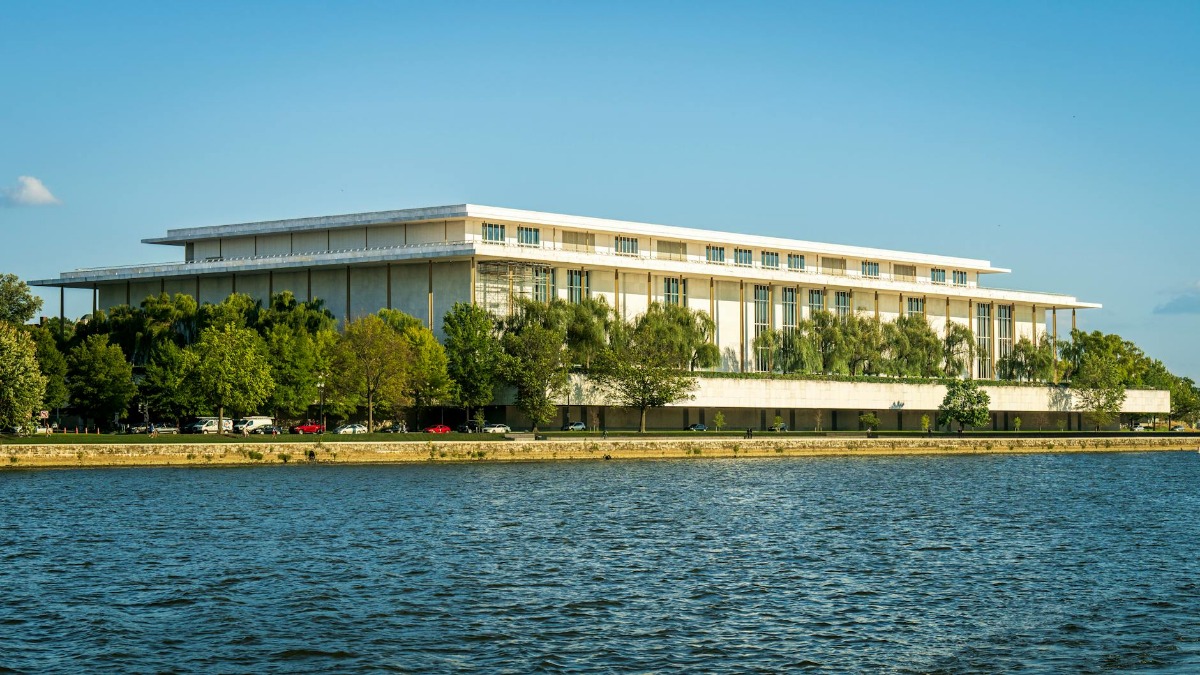
Donald Trump’s attempt to rename the Kennedy Center just hit a major roadblock, but Congress could still hand him the keys if he gets his way. A federal judge ruled on May 29, 2026, that the president’s name must come off the Kennedy Center’s facade and other signs within two weeks, slamming the brakes on his late-December decision to rebrand the iconic performing arts venue as the Trump Kennedy Center.
Judge Christopher Cooper made it clear that only Congress has the power to change the center’s name, not the board of trustees where Trump currently serves as chair. Cooper also temporarily blocked Trump’s plan to close the Kennedy Center for two years of renovations, a move the president pushed as chair of the board, according to CNBC.
The judge called out the board for failing to properly balance its obligations to the center before deciding to shutter the venue, though he left the door open for them to try again – this time with a more careful approach. Cooper made sure to note that his injunction wouldn’t stop the center from moving forward with its planned capital repairs.
Trump didn’t take the ruling quietly
In a Truth Social post, he blasted Judge Cooper, calling the decision a failure to address what he described as public safety risks at the center. He seemed resigned to the idea that his name would be stripped from the building, though, pivoting quickly to a new strategy. “We are going to be working with Congress to transfer this failing Institution back to them so they can make a determination as to what to do with it,” he wrote.
He also took a shot at the judge, saying, “Judge Cooper should be ashamed of himself!” and adding, “I cannot be involved with a situation where danger to the Public is allowed to flourish in plain and open sight.”
The legal battle kicked off when Ohio Rep. Joyce Beatty, a Democrat and ex-officio trustee of the Kennedy Center, filed a lawsuit challenging the renaming, the planned closure, and her removal from voting rights by the board in May 2025. Cooper sided with Beatty on the renaming issue, writing that the Kennedy Center’s founding statute leaves no room for the board to unilaterally change its name.
“Congress gave the Kennedy Center its name, and only Congress can change it,” he wrote. The judge also ordered that Beatty’s voting rights be restored, calling out the board for discriminating between general and ex-officio trustees without legal justification.
Beatty celebrated the ruling in a statement
She called it a victory for the rule of law and a rebuke of Trump’s attempts to use the Kennedy Center for his own vanity. “The Kennedy Center is an institution that belongs to the American people, not to Donald Trump,” she said.
“He has desecrated this sacred memorial for his own vanity. I am proud to have fought for the rule of law and to protect this sacred institution.” Her lawyers, Norm Eisen and Nathaniel Zelinsky, framed the decision as a blow against corruption, saying it sent a clear message that the rule of law still matters.
The Department of Justice, which is defending Trump in the case, put a positive spin on the ruling. A spokeswoman said the department was pleased the court rejected challenges to the renovations. “We will continue to defend President Trump’s ability to restore the Center to its former glory as the finest performing arts center in the country, if not the world,” she said.
This isn’t the first time Trump’s involvement with the Center landed in court
Back in March, Judge Cooper ruled that Beatty was entitled to participate in a board meeting discussing the closure plans, though he stopped short of forcing the board to let her vote. At the time, Cooper said Beatty had the right to access documents about the renovation plans and to speak at the meeting, but he didn’t see enough evidence to grant her voting rights at that stage.
“The marginal harm to her from not voting is much less, as she will be able to lodge her objections on the record and have the opportunity to persuade her colleagues of her position,” he wrote. Beatty’s fight to hold the board accountable has been a long one. She told reporters outside the courthouse in March that she was standing up for democracy and transparency, asking, “I want to know where your money – our money – is going.”
Trump’s sudden interest in the Kennedy Center is surprising
In his first term, he skipped all four of the annual Kennedy Center Honors ceremonies. His absence in 2017 followed threats from some honorees to boycott if he attended. But after returning to office in January 2025, he took a much more hands-on approach.
He replaced several trustees with loyal allies, including former Attorney General Pam Bondi and longtime aide Dan Scavino, and the reconstituted board later elected him as chair. He even got involved in selecting the 2025 Kennedy Center Honorees and hosted the event himself. His push to rename the center and close it for renovations came after securing $257 million in federal funding for the Kennedy Center in a spending bill he signed last summer.
Since Trump took a more active role, the Kennedy Center has seen a noticeable decline. Artists have canceled performances, and attendance has dropped, leaving the center’s future uncertain. The board’s December vote to add Trump’s name to the building’s exterior sparked outrage from some members of the Kennedy family, who saw it as an attempt to overshadow the center’s original namesake.
(Featured image: Mark Stebnicki)
Have a tip we should know? [email protected]
Follow The Mary Sue:
