


The U.S. war against Iran is unwinnable — and here are 5 reasons why
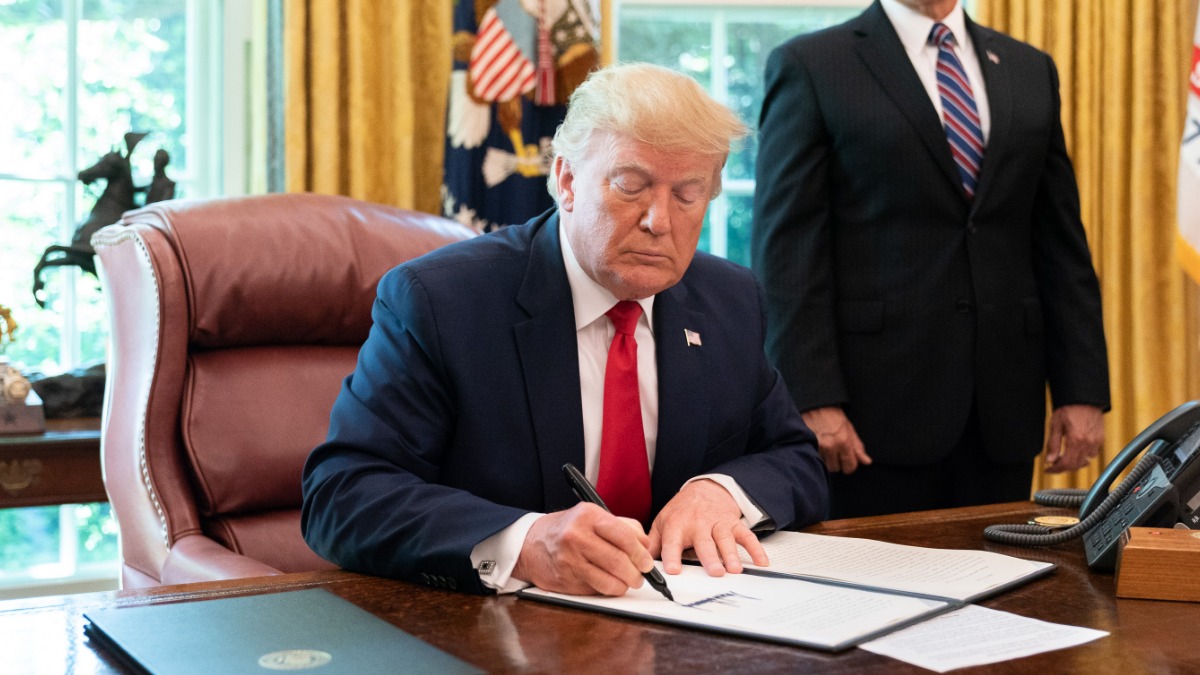
Donald Trump may have walked into a trap with his war against Iran, and here are five reasons why experts believe the United States won’t win this conflict.
It’s been more than three weeks since the United States, in conjunction with Israel, launched a massive air campaign against Iran, simultaneously taking out more than 1,000 military targets and even hitting a girls’ school in Minab with the first wave, killing more than 150 children.
In less than an hour, the IRGC (Iran’s primary military arm) launched missile and drone attacks against numerous U.S. bases in the Middle East, affecting Gulf countries like the UAE, Kuwait, Bahrain, and Saudi Arabia.
Now, with the Strait of Hormuz having been effectively closed for nearly a month, thousands of civilians dead across the region, and no end goal established by the Trump administration, the world is collectively holding its breath for the inevitable escalations to follow in the coming weeks — including a possible ground incursion by U.S. troops to force Iran to surrender.
Let’s for the moment ignore the elephant in the room, the campaign promise by Donald Trump — the self-purported president of peace — to never allow the United States to pay the price of another interventionist war in the Middle East. Now that the U.S. is all in, how likely it is that the Trump administration will get out of this quagmire by scoring a palpable victory?
Well, experts are understandably doubtful, not just due to Iran’s surprising resilience against the attack, but also due to the logistics on the ground, not to mention the administration’s refusal to set a clear goal.
Here are 5 reasons why we’re losing the war with Iran, and why no amount of unhinged ALL CAPS posts by Donald Trump on Truth Social can turn the tide.
1. The U.S. has failed to bring about government collapse
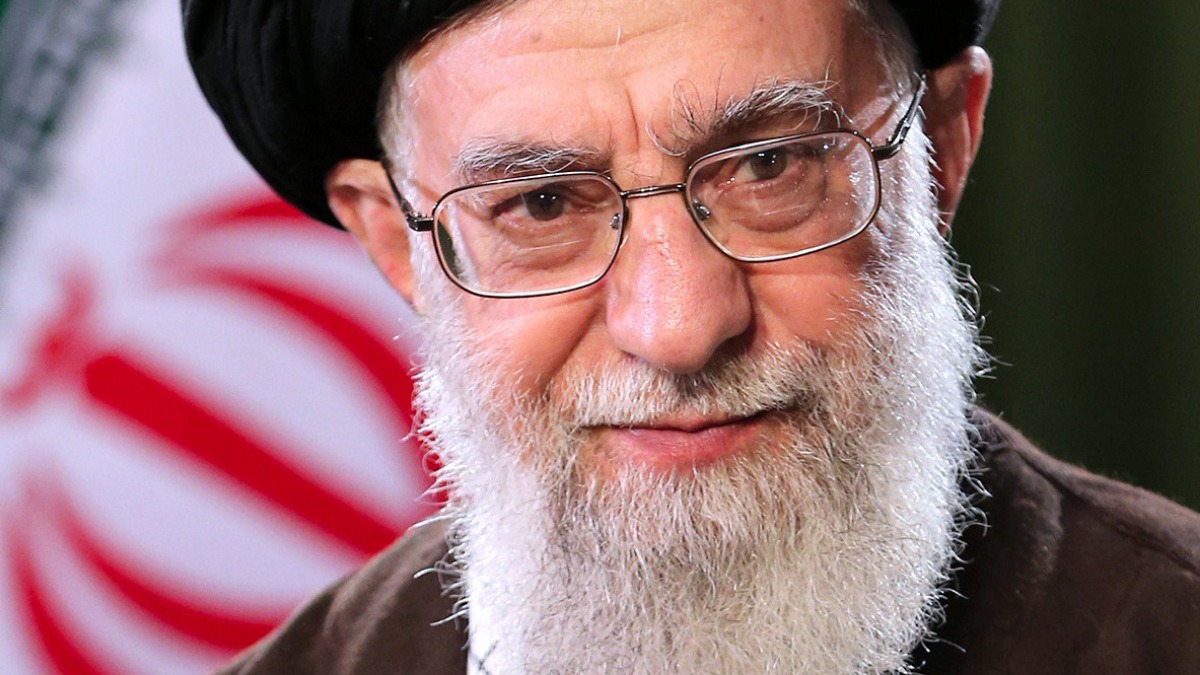
Since before the moment the bombs started falling on February 28, the Trump administration was selling the American public on a seductive fantasy: that killing Ayatollah Khamenei, the supreme leader of Iran, and hammering their military infrastructure in a decisive attack, would cripple the system and cause the regime to buckle from within.
And there was good reason for it, too. Just weeks before the attack, Iranian protestors were chanting “Death to the dictator!” on the streets of Tehran and many other major cities, but now, with yet another foreign intervention blurring the line between enemy and martyr, oppressor and defender, and resisting tyranny and resisting an invasion, the government has once again found the perfect alibi to silence dissent.
Furthermore, in yet another act of defiance, the Iranian authorities chose Ayatollah Khamenei’s son, Mojtaba Khamenei, as the next supreme leader, doubling down on his father’s ideological legacy of resistance against Western powers. In essence, Trump has so far only managed to replace Ayatollah Khamenei with Ayatollah Khamenei, which, depending on your perspective, is either a very dark punchline or proof that the administration had no plans beyond, as the POTUS himself puts it, “bombing the hell out of” the country.
2. Trump says Iran can’t have a nuclear weapon, but he can’t do anything to prevent it
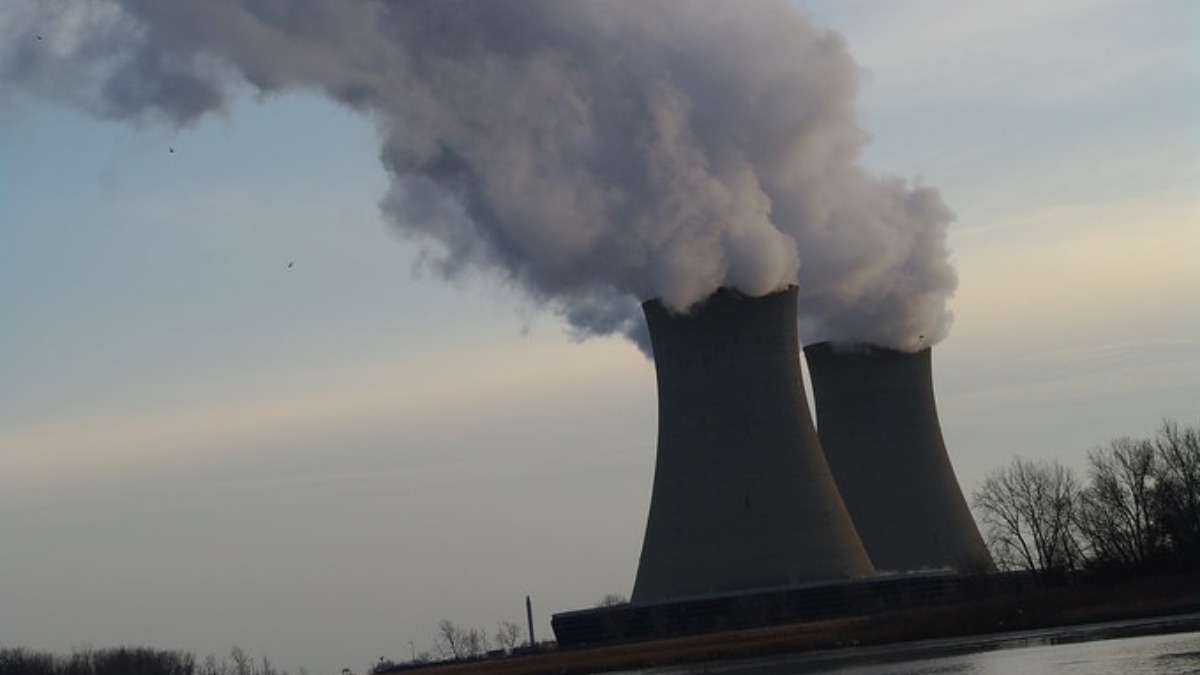
While everyone and their mother knows the nuclear card is just an elaborate excuse to go to war, just like Saddam’s WMDs were, Trump’s confusing messaging has reached an all-time high with Operation Epic Fury.
Back in June 2025, Trump repeatedly claimed to have destroyed Iran’s nuclear capabilities completely, a claim contested by the administration’s own intelligence assessments. Now, eight months later, the U.S. finds itself in the exact same spot, and it turns out that no number of bunker-buster bombing runs can do what Trump promised and get rid of those 400 odd kilograms of Uranium enriched to 60 percent.
That 60 percent figure matters more than it sounds. Experts at the Center for Arms Control and Non-Proliferation note that 99 percent of the separative work needed to enrich Iran’s full stockpile to weapons-grade has already been done, meaning the hard part is long over. Starting from that material, a single cascade of centrifuges could theoretically produce enough weapons-grade uranium for one nuclear bomb every 25 days.
And it gets worse. Experts from both inside the administration and outside it have maintained that Iran was nowhere near making a nuclear bomb, nor was there any indication they were planning to eventually do so.
Satellite imagery and expert testimony suggest that Iran used the ten-day window between Israel’s initial strikes and the arrival of U.S. B-2 bombers to move centrifuges and enriched material out of some facilities — a critical oversight that has left Washington chasing its own tail. According to seven current and former officials who spoke to CNN, recovering Iran’s remaining highly enriched uranium, believed to be sitting deep underground at the Isfahan nuclear complex, would require a significant number of U.S. ground troops, not just a small special operations footprint.
3. Iran’s ballistic missile and drone infrastructures are still operational and deadly
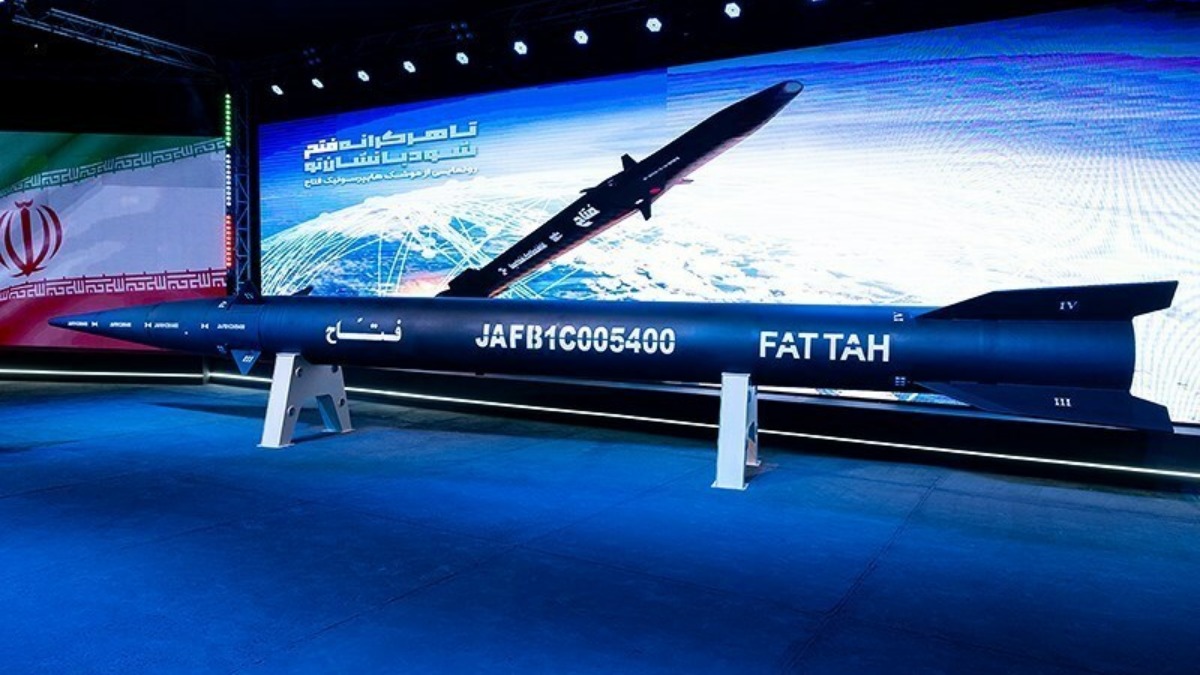
Pete Hegseth has been nothing if not consistent. From day one, the stated mission of Operation Epic Fury was to “obliterate Iran’s missiles and drones and facilities that produce them.” (per The White House)
Three weeks later, Iran is still launching both. The numbers have dropped, yes — but the threat has not been eliminated, and in some ways, it has evolved into something more dangerous than what the administration planned for.
By March 5 alone, Iran had already launched roughly 585 ballistic missiles and 1,522 drones — more ballistic missiles than it fired during the entire 12-Day War in June 2025. The U.S. and Israel have hit back hard, and the volume has fallen. Four days into the campaign, General Dan Caine declared that Iran’s theater ballistic missile launches were down 86 percent from the first day of fighting. The administration celebrated. But “down 86 percent” is not “destroyed,” and the missiles that are still getting through are still killing people and causing damage.
Iran knows exactly what it’s doing. The IRGC’s military doctrine has been built around asymmetrical warfare. That means that no matter how many launchers you destroy or how many missile facilities you bomb, the attacks will keep coming. With both U.S. and Israel running low on interceptors, and Iran tapping into its Shahed suicide drone inventory, this has already turned into a war of attrition; one that the U.S. isn’t winning. Every Shahed drone costs south of $20,000 to make, while every interceptor missile costs anywhere from $1 million to $4 million a shot, depending on which system is doing the intercepting.
Iran has already launched more than 2,000 drones and estimates put its stockpile well above 10,000 and as high as 80,000. Iran is understood to have the capacity to build hundreds of Shahed drones every month, while Lockheed only produced 600 Patriot interceptor missiles in 2025. The math is not so hard to do.
4. Every day the Strait of Hormuz remains closed, the global economy takes another punch in the face
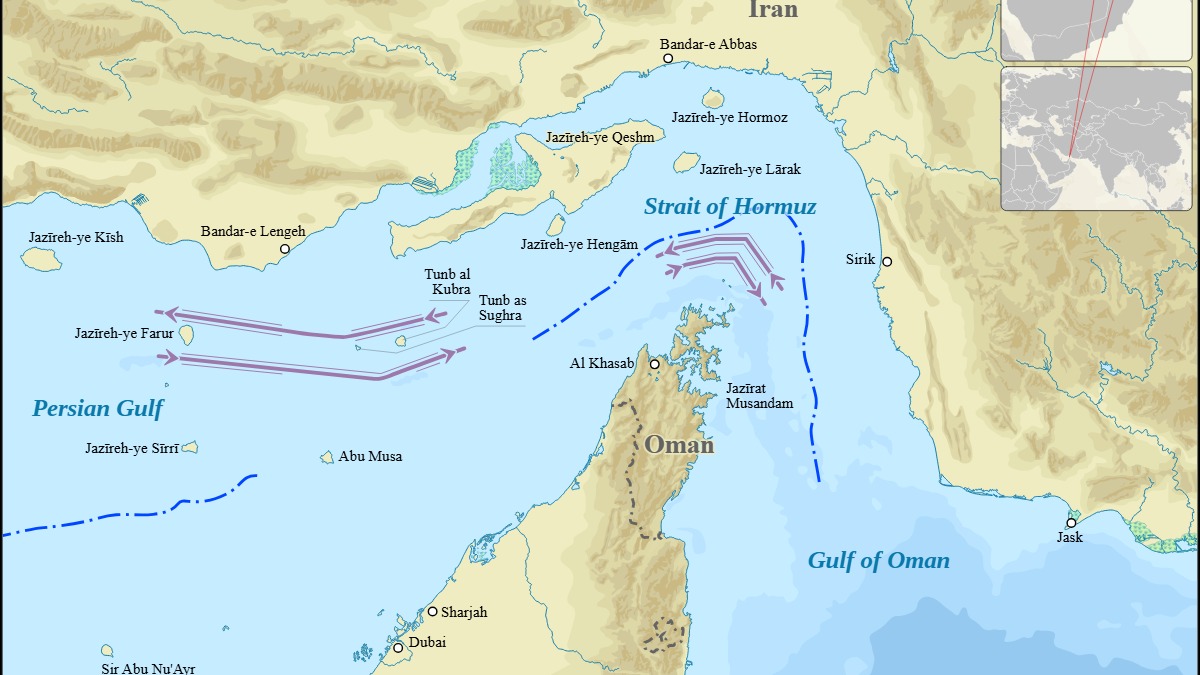
As of late March, Iran had made dozens of confirmed attacks on merchant ships, sending tanker traffic plunging by more than 90 percent, with hundreds of ships anchored outside the strait to avoid the risk. Hundreds of tankers now sit idle on both sides of the waterway as oil prices surge past $100 per barrel — the highest since Russia invaded Ukraine in 2022, per Aljazeera.
The numbers tell the rest of the story. The Strait carries one-fifth of the oil consumed globally, along with large quantities of natural gas, and right now almost none of it is moving. Qatar’s Energy Minister warned that if the war continues, Gulf energy producers may be forced to halt exports and declare force majeure, an outcome he said “will bring down economies of the world.”
The damage extends far beyond the gas pump and includes fertilizer trade transits among other things. The price of oil is already averaging $110 a barrel, and the inflation could rise dramatically in the coming days and weeks.
And what is the U.S. Navy doing to fix it, you ask? Not much by the looks of it.
Reuters reported that the Navy has refused “near-daily” requests from the shipping industry to escort vessels through the strait, citing three shipping industry sources, with the risk of attacks deemed too high. This is the same Navy that Pete Hegseth and Donald Trump claimed had annihilated Iran’s naval capacity. The same administration that launched the “most lethal aerial operation in history” apparently cannot keep a shipping lane open.
“The problem is that there is really no good way to open up the Strait of Hormuz by force, given the fact that the Iranians can keep it closed with just a small number of really cheap drones,” said Jennifer Kavanagh, director of military analysis at Defense Priorities, via CNN.
Faced with the reality of his reckless war, Trump did what any president unencumbered by a plan would do. He asked everyone else to fix his mess. On Saturday, Trump called on China, France, Japan, South Korea, and the United Kingdom, among others, to send warships to the straight, even threatening NATO countries that it “will be very bad for the future of NATO” if they don’t participate in the war. None have so far taken the bait.
Trump, who spent the past year threatening alliances and putting tariffs on NATO countries, finds it utterly baffling why none of them would help the U.S. out of its predicament now. And like the man-child he is, the POTUS took to Truth Social to declare that the United States “does not need help from anyone” because it’s “by far the most powerful country anywhere in the world.”
5. Israel and the U.S. have conflicting end goals in Iran
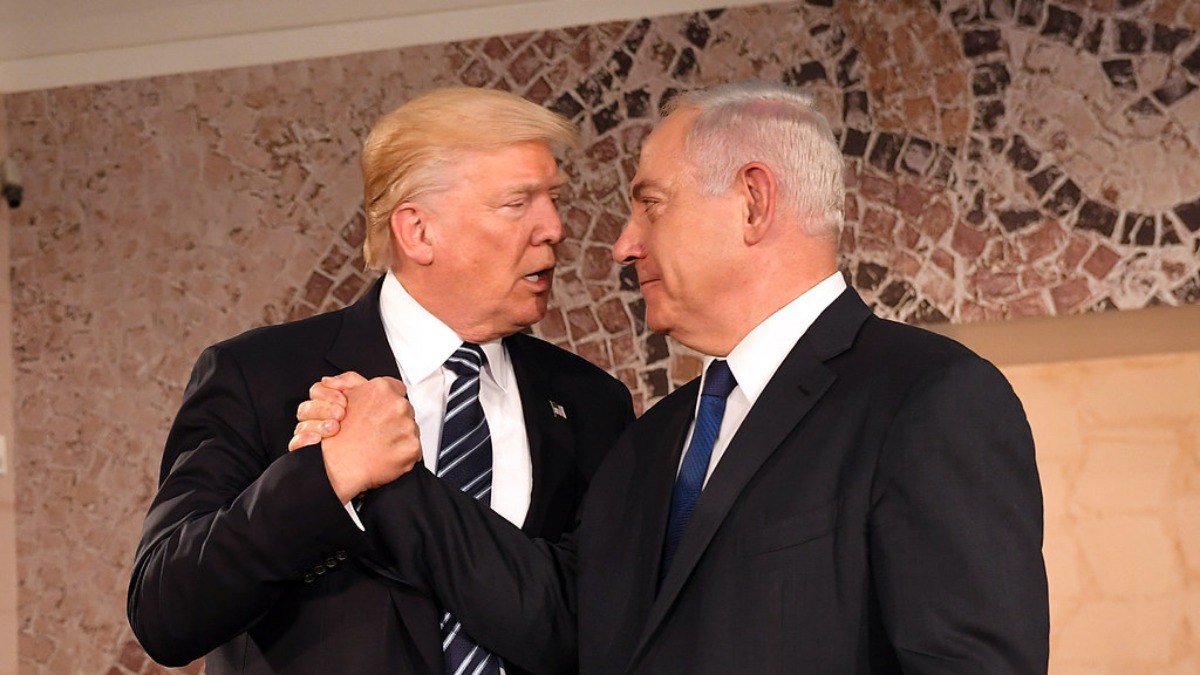
The United States and Israel entered this war together. They may not be coming out of it the same way.
On the surface, the alliance looks seamless — coordinated strikes, shared targeting, joint briefings. But beneath the synchronized bombing runs, former U.S. Ambassador to Israel Daniel Shapiro has been frank about what he sees. “There is some divergence, and probably an increasing divergence of those objectives as time passes,” he said, per CNN.
That divergence isn’t a minor policy disagreement. It goes to the very question of what the decision-making philosophy behind this war is. And of course, who gets to decide when it’s over.
Israel plans to degrade Iran’s military capabilities and even bring about regime change, as Benjamin Netanyahu has claimed. The United States, on the other hand, has been increasingly vague. In the hours following the initial wave of attacks, Trump urged Iranian citizens to take back their country. A day later, he said he was looking for an outcome similar to Venezuela, with the regime staying in place and just bowing to U.S. demands.
And then there is the question of who controls the off-ramp. Iranian-American analyst Trita Parsi said, “The Israelis have fought so hard to get the United States to go into a full-scale war with Iran for more than 20 years. It is in their interest to prolong this war as long as they can, and kill off any potential off-ramps that Trump may be looking for.”
I think that should terrify the world more than any missile threat. The recent assassination of Ali Larijani — Iran’s security chief and one of the few figures seen as capable of negotiating a ceasefire — fits that pattern exactly. And with the history of the United States fighting in these forever wars some 7,000 miles away from its mainland, the question isn’t whether this one ends badly. It’s whether Washington will recognize it soon enough to limit the damage.
That is, if the Iranians stop firing, and so far, they’ve made it pretty clear that they see this as an existential war, one that can only end when the U.S. presence in the region has been exterminated, or when they walk away from the table with something that looks, at minimum, like a binding promise that the bombs won’t come back.
This is an opinion piece. The views expressed in this article are those of just the author.
Follow The Mary Sue:
