


White House FIFA Task Force Stands Firm on Iranian Travel Limits as the Team Threatens a Formal Complaint
A test of resilience.
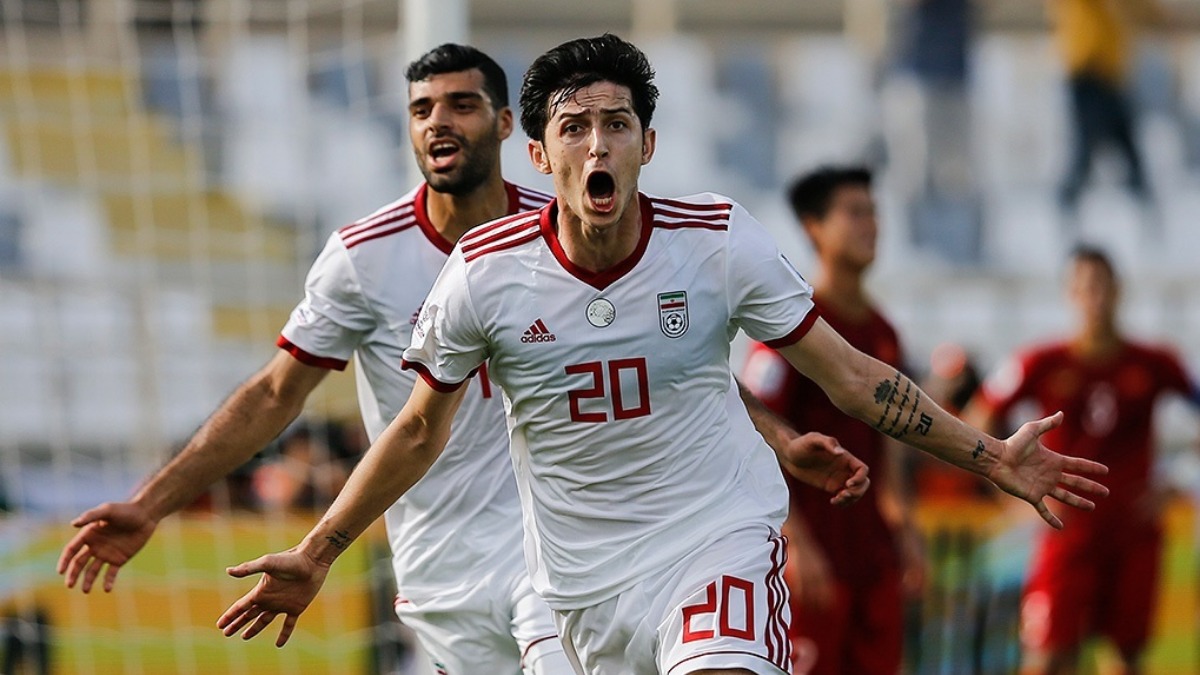
The White House FIFA Task Force is standing firm on travel restrictions for Iran’s national team at the 2026 World Cup, even as the squad threatens to file a formal complaint with FIFA. According to Al Jazeera, the Football Federation of Iran (FFIRI) announced on June 18, 2026, that it will officially challenge the rules after its request to fly into the U.S. two days before its next match was denied.
Instead, the team must arrive the day before the game and leave the same evening, a policy the federation calls unfair and disruptive to their preparation. Iran’s frustration has been building since the tournament kicked off. After their opening 2-2 draw with New Zealand in Los Angeles, the team was forced to leave the U.S. within hours of the final whistle, cutting short any chance for recovery or rest.
The federation had submitted its travel schedule well in advance, only to have its request for an earlier arrival rejected. Team Melli’s next match, against Belgium in Los Angeles on June 21, is scheduled for noon local time, making the tight timeline even more challenging. The same restrictions will apply for their final group game against Egypt in Seattle on June 26.
The White House FIFA Task Force has defended the policy
Andrew Giuliani, executive director of the White House FIFA Task Force, defended the policy. “The team will be allowed to come in, match day minus one, so the day before the match,” he said. “They’ll be asked to leave the day that the match wraps up, so the evening of the match. And they’ll be able to do that again in Los Angeles.”
Giuliani made it clear that the rules were communicated to Iran ahead of time and would remain unchanged, even as the federation argues the restrictions put them at a disadvantage compared to other teams. The travel limitations are just one part of a larger set of challenges Iran has faced at this World Cup. The team’s participation was uncertain for months due to the ongoing war between the U.S. and Iran, which only recently saw a temporary peace deal signed.
Security concerns led Iran to relocate its base camp from Tucson, Arizona, to Tijuana, Mexico, adding another layer of logistical complexity. Multiple members of their backroom staff were denied U.S. entry visas, and their ticket allocation was revoked just before the tournament began. FIFA president Gianni Infantino even visited the team in the dressing room after their draw with New Zealand, according to the BBC.
Iran’s head coach, Amir Ghalenoei, didn’t hold back in his criticism
“Without any doubt, this kind of behavior has impacted the spirit of football,” he said. “Football is supposed to bring nations and cultures together. It is about bringing joy. These conditions have affected our focus, but I have tried to make sure the players concentrate on strategy and performance.”
Ghalenoei called his squad the “most oppressed” team at the tournament, a sentiment echoed by striker Mehdi Taremi. “This kind of tension undermines the joy of the World Cup,” Taremi said. “I felt the tension from the first moment we arrived. The tension started even before we got here,” he added, per BBC.
The political backdrop has turned what should be a celebration of sport into a high-pressure situation for the players. Los Angeles, home to one of the largest Iranian diaspora communities in the world, has become a flashpoint. Many Iranian-Americans plan to attend the matches – not just to cheer, but to protest.
FIFA’s ban on the pre-revolutionary Lion and Sun flag has angered parts of the community, with activist Arezo Rashidian calling the decision an overreach. “You don’t come to Los Angeles and tell us we can’t fly the Lion and Sun flag,” she said. “This is the largest Iranian community outside Iran. Many of us came here after the revolution. We’re opposing FIFA’s ban and standing in solidarity with the people of Iran.”
The protests add another layer of pressure
The players have repeatedly stated they want to focus on football, not politics. “As players of the national team, we play for every single Iranian, whether in the diaspora or in Iran,” Taremi said. “We are here to unite people and bring joy. Everyone is entitled to their opinion. We don’t get involved in politics.”
But in a tournament where politics has overshadowed the sport, that’s easier said than done. Investigative journalist Samindra Kunti put it bluntly: “There is no winning for Iran’s team. Given the circumstances, the political pressure, the location of the matches and the diaspora in Los Angeles, they’re under enormous pressure. It’s impossible to avoid the politics. Everything becomes a reminder of their situation.”
The team’s complaint to FIFA will argue that the travel restrictions violate the principle of equal conditions for all participating teams. The federation’s statement called the rules “inconsistent” and warned they could negatively impact preparation. A U.S. Department of Homeland Security spokesperson responded by saying Iran had agreed to the terms in advance.
For now, Iran’s players are left to navigate a tournament where the biggest challenges aren’t on the field. Between visa issues, travel restrictions, and political protests, the World Cup has become a test of resilience as much as skill.
(Featured image: Mehdi Bolourian)
Have a tip we should know? [email protected]
Follow The Mary Sue:
