


U.S. Navy morale reaches a dangerous low as 8 sailors aboard USS Lincoln carrier group attempt suicide. But Pete Hegseth dismisses it as ‘fake news’
The concerns are harder to dismiss
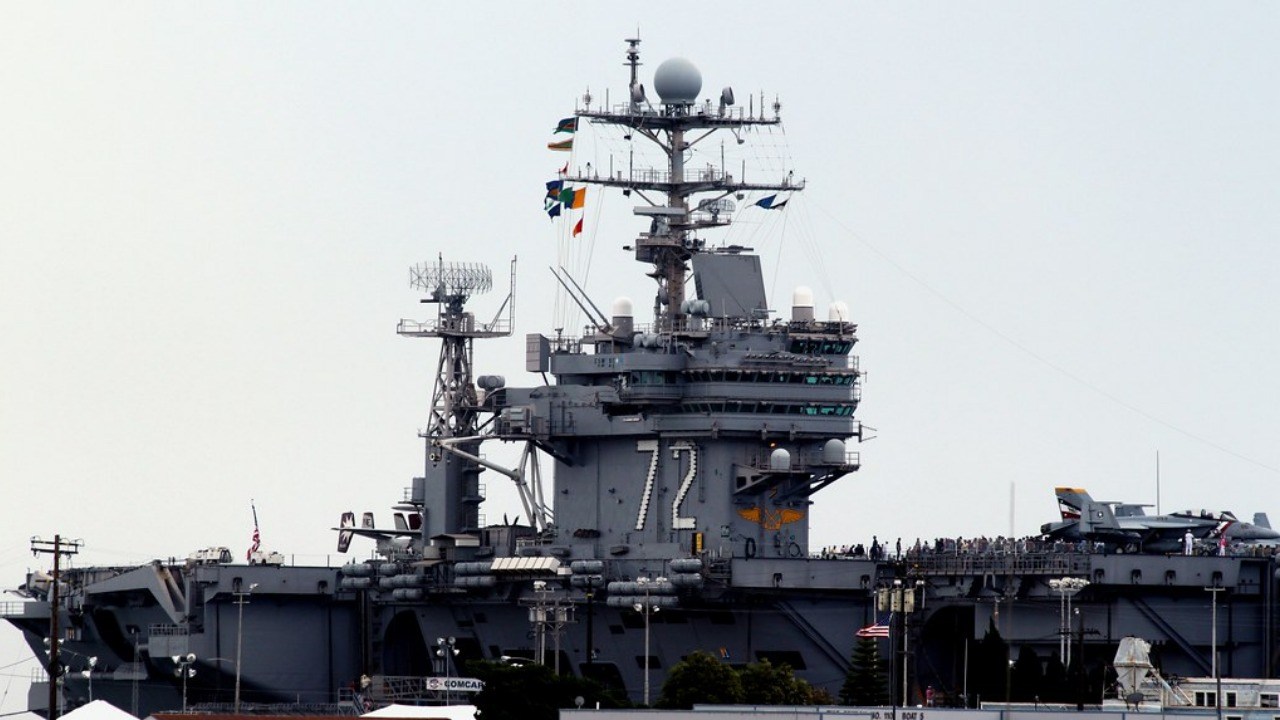
Months of combat operations and little time off have taken a toll on sailors aboard the USS Abraham Lincoln. Reports of poor morale and mental health concerns have raised serious questions about their well-being.
Defense Secretary Pete Hegseth previously dismissed reports of deteriorating mental health, claiming the situation had been misrepresented. However, new figures from the Navy have raised further concerns.
According to CNN, eight sailors from the Lincoln carrier strike group attempted suicide during its deployment, which included combat operations against Iran. Acting Navy Secretary Hung Cao confirmed the figure in a letter to Sen. Kirsten Gillibrand. No suicide deaths were reported.
There was more behind those numbers
Cao’s letter, dated September 22, revealed that the eight attempts occurred across the entire strike group, not just aboard the aircraft carrier. Approximately 6,000 to 7,000 sailors were deployed across several ships. The Lincoln spent more than six months without a port visit while carrying out combat operations against Iran.
“Eight attempted suicides is incredibly high,” one military official told CNN, noting that recent carrier strike group deployments typically recorded one or two annually. The official added, “The strain of combat ops is much higher than normal deployments. No port calls, constant alerts, etc.”
However, the reported rate was roughly consistent with the Navy’s overall rate in 2024. That year, 356 suicide attempts were recorded among approximately 337,000 active-duty sailors.
The disclosure follows earlier incidents involving sailors attempting to jump overboard. Cao confirmed that one sailor was stopped by shipmates in March. In August, a sailor assigned to the carrier’s air wing went overboard but was rescued and treated. The incidents also raised questions about the treatment of a 19-year-old sailor who survived an overboard jump.
Sailors had already described difficult living conditions aboard the Lincoln. One crew member reported extremely low morale and frequent discussions about suicidal thoughts among colleagues. Toilets and drinking fountains were often unavailable, while hot water was unreliable. “Everyday we wake up and listen to our captain speak, we are desperately hoping and anxious for updates on our return,” the crew member told CNN.
The Navy previously maintained that it had not observed an increase in suicidal thoughts or attempts aboard the carrier. Cao’s letter detailed the mental health resources available during the deployment, including five chaplains, a psychologist, a clinical social worker, three behavioral health technicians and a prevention counselor. The letter did not establish whether those resources were sufficient to meet sailors’ needs.
Gillibrand criticized President Donald Trump and Hegseth following the disclosure. In a statement, she accused both men of dismissing legitimate concerns about military personnel and questioned the administration’s spending priorities.
“What Trump and Secretary Hegseth dismissed as ‘fake news’ turned out to be serious and deteriorating conditions for our service members,” she stated. Gillibrand added, “Our troops and their families make immense sacrifices every single day, yet the president dismissed them with open disrespect.”
Hegseth had previously defended the Navy’s support for deployed personnel, while Trump downplayed concerns about the carrier’s extended deployment. Their earlier remarks were made before the eight attempts were officially disclosed. The Navy had also maintained that it had not identified an increase in suicide attempts aboard the carrier.
The Lincoln left the Middle East in August after being relieved by the USS George Washington. It is expected to return to San Diego in the coming weeks. Although the Navy’s figures do not establish that the extended deployment caused the suicide attempts, the disclosure has renewed scrutiny of sailors’ mental health and the support available during prolonged military operations.
Have a tip we should know? [email protected]
Follow The Mary Sue:
